
Swim camps in Spain are a favourite for clubs across Europe, and it is easy to see why. Mild weather, outdoor pools, short flights and hotels used to sports groups make it simple to focus on training. In this guide, we present five destinations that swim teams choose again and again, and we explain how to plan a camp that really moves your swimmers forward.
Each destination below suits slightly different groups. Some are ideal for elite squads that need long-course water and gym access, while others work well for younger swimmers on their first camp abroad.
Why Choose Swim Camps in Spain?
First of all, the climate. Southern and eastern Spain have long periods of sunshine, so outdoor training is pleasant for much of the year. In addition, there are many airports with direct flights from northern Europe. As a result, travel days are short and swimmers can often train on the day they arrive.
Secondly, Spain has a strong sports-tourism infrastructure. Many hotels offer early breakfasts, flexible meal times and rooms close to the pool. Furthermore, the relaxed coastal towns give swimmers a safe environment for walks and recovery between sessions.
1. Mallorca – Colonia de Sant Jordi
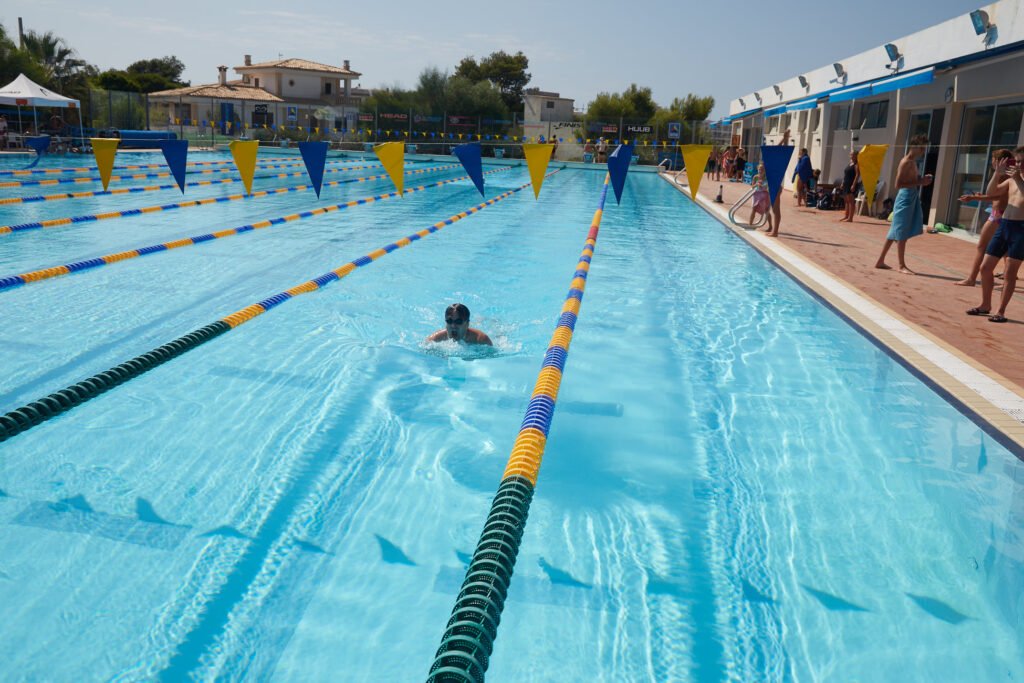
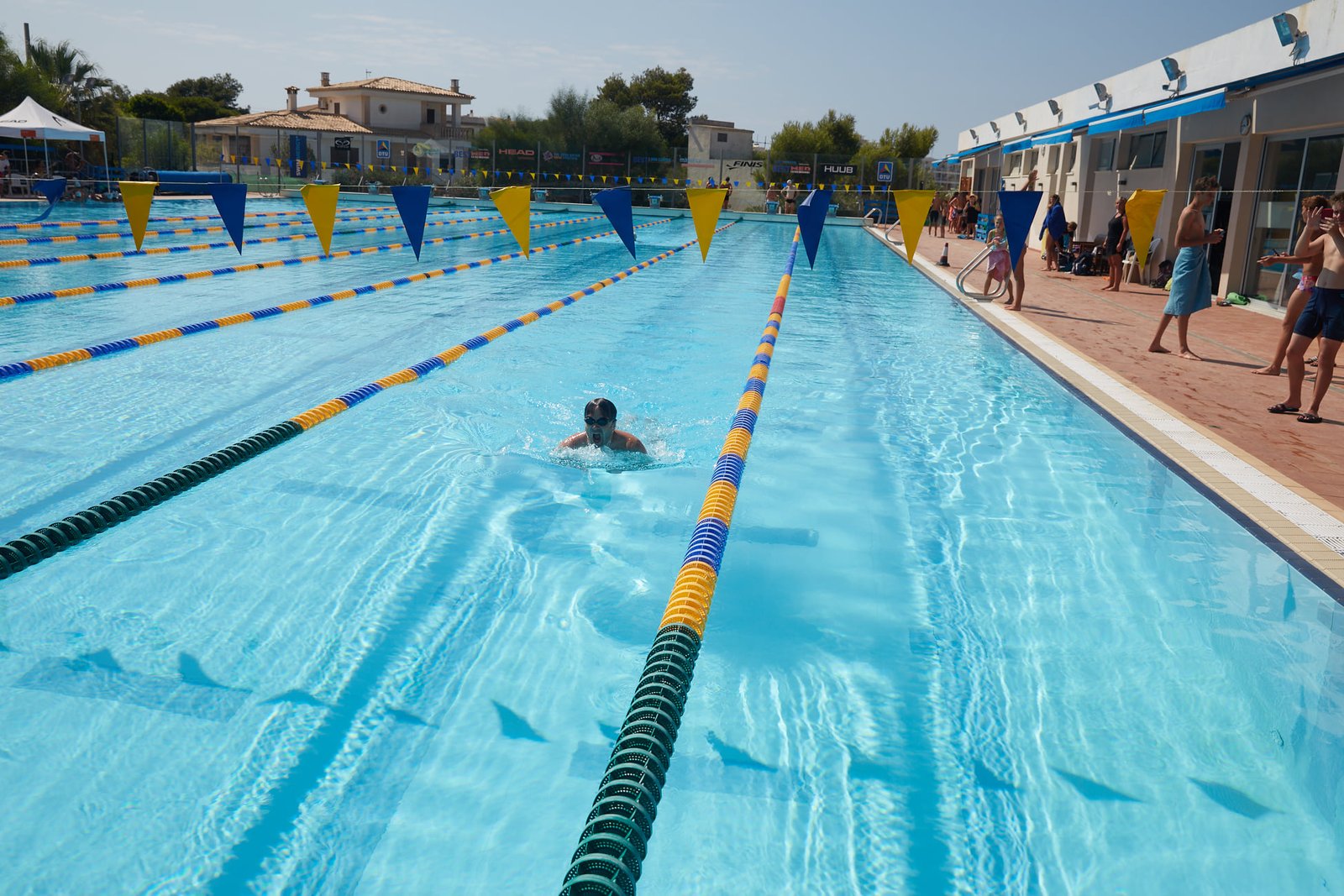
The south-east of Mallorca is home to a dedicated swim training centre that welcomes national teams as well as club squads. The quiet village of Colonia de Sant Jordi lies close to calm beaches, which is useful for open-water sessions. Because the setting is peaceful, it suits groups that want few distractions. Read more about our swim camp in Mallorca.
2. Costa del Sol – Torremolinos
Torremolinos is close to Málaga airport, so transfers are short. The town has many hotels used by sports teams, a long beach promenade for easy recovery runs and plenty of shops and restaurants. Consequently, it is a good choice for mixed groups with swimmers of different ages. Our Costa del Sol swim camp page describes a typical setup.
3. La Cala de Mijas
La Cala de Mijas is a calmer alternative on the same coast. It has a village feel, a wide beach and easy access to Málaga and Marbella. Therefore, it suits clubs that want a quiet base without long transfers.
4. Calella – Barcelona Coast
Calella lies north of Barcelona and is a well-known sports destination. Swim teams appreciate the combination of training facilities, beach hotels and train connections to the city. For a rest day, many groups visit Barcelona for sightseeing.
5. Costa Blanca
The Costa Blanca around Alicante and Benidorm offers a dry climate and many hotels. Several resorts can arrange pool time for visiting clubs, and the area is easy to reach from Alicante airport. Moreover, the variety of accommodation makes it flexible for different budgets.
When to Book Swim Camps in Spain
Timing affects both price and training quality. Spring and autumn are the busiest periods for club camps, because the weather is warm but not too hot. However, pool lanes at popular venues are booked early, so start planning several months ahead.
Winter camps are also possible in the south, especially if your pool is indoors or heated. In contrast, mid-summer can be very hot and busy with tourists, so many clubs avoid July and August.
Budgeting for Swim Camps in Spain
Costs vary widely, so build your budget from the ground up rather than relying on a single headline figure. The main items are flights, transfers, accommodation with meals, pool rental and any gym or dryland space. In addition, remember insurance, team clothing and pocket money for younger swimmers.
To keep costs under control, consider these ideas:
- Travel outside school holidays, when flights and hotels are usually cheaper.
- Share pool lanes with another club if your squad is small.
- Choose full board, so you know the food cost in advance.
- Book early to secure group fares and the best training slots.
Many clubs also hold fundraising events during the year, such as swimathons or sponsor drives. As a result, the camp becomes more affordable for every family, and swimmers feel more invested in the trip. Finally, always ask for a written offer that lists exactly what is included, so there are no surprises later.
What a Typical Camp Week Looks Like
Most clubs follow a simple structure:
- Morning session in the pool, often with an aerobic or technique focus.
- Breakfast and rest, followed by dryland training or stretching.
- Lunch and a longer recovery period during the warmest hours.
- Afternoon pool session with speed, race-pace or specific sets.
- Dinner, short team meeting and early night.
In addition, coaches often plan one lighter day in the middle of the week. This helps swimmers absorb the training load and gives time for a short excursion.
How to Get the Most Out of Your Camp
First, set clear goals before you travel. For example, focus on underwater kicks, turns or a specific stroke. Then plan video analysis, because the camp is a rare chance to review technique every day.
Second, think about nutrition and hydration. Training in warm weather increases fluid needs, so swimmers should carry water bottles at all times. Finally, protect sleep. Shared rooms and new surroundings can make it harder to rest, so agree on quiet hours.
Choosing Between Spanish Destinations
To compare options, look at pool length and number of lanes, distance from hotel to pool, flight and transfer times, and meal flexibility. Above all, ask how many other groups will share the pool during your week. You can compare more destinations on our swim camps overview.
Swim Camps in Spain: FAQ
How long should a swim camp last?
Most club camps last seven to ten days. That gives enough time for a solid training block without excessive fatigue.
Are Spanish pools outdoor or indoor?
Both exist. Many coastal venues have outdoor pools, while some centres also offer indoor or covered pools.
Can younger swimmers join?
Yes. Many clubs bring swimmers from about twelve years old, with extra coaches and a lighter programme.
Do we need our own coaches?
Usually, yes. Most camps provide facilities and accommodation, while the club’s own coaches lead training.