
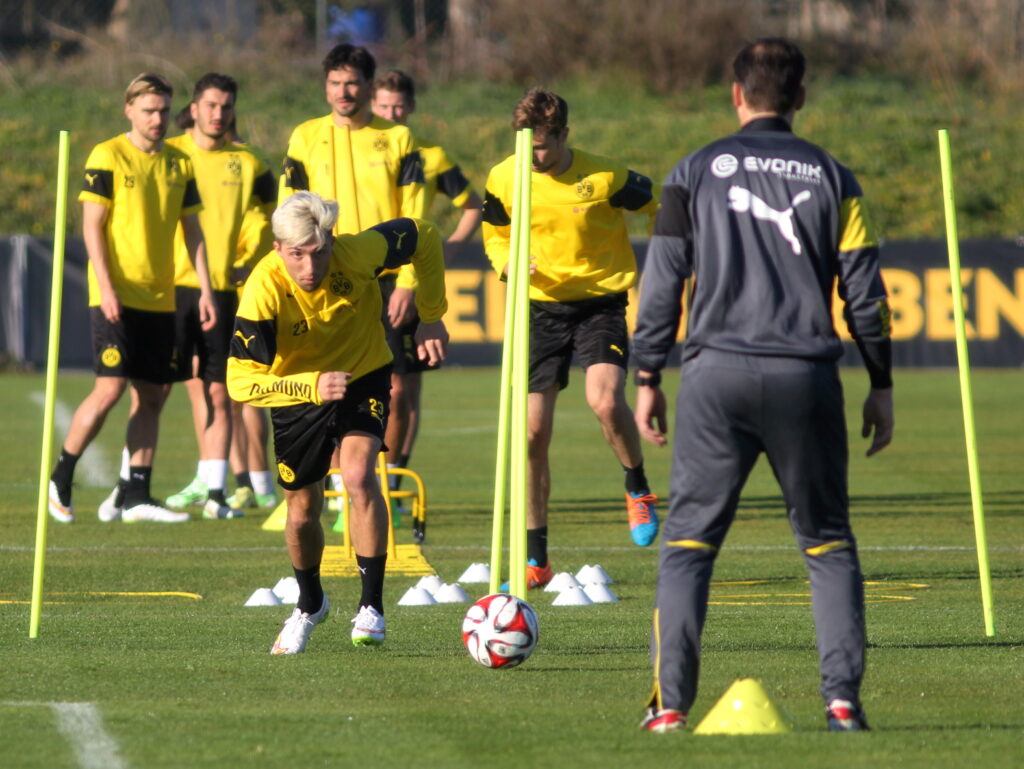
Player development rarely happens by accident. It grows from good coaching, many quality repetitions and an environment where young footballers feel safe to try new things. A football camp brings all of these elements together in one intense week. In this article, we explain why camps matter so much, what players actually gain and how clubs can plan a camp that delivers lasting results.
At home, most teams train two to four times a week, and sessions compete with school, work and travel. During a camp, by contrast, players can train twice a day with full focus. As a result, coaches can work on details that normally get lost in a busy season.
How Camps Accelerate Player Development
The biggest advantage is time. A week of daily sessions gives players more touches, more decisions and more feedback than several normal weeks combined. Moreover, short breaks between sessions help players remember what they learned, because the next session builds on the previous one while it is still fresh.
In addition, camps let coaches follow a clear theme. For example, the whole week can focus on pressing, build-up play or finishing. Consequently, players see the same principles from many angles, and learning becomes deeper.
1. More Quality Repetitions
Technique improves through repetition with purpose. During a camp, players can repeat passing patterns, first touches and finishing drills many times, while coaches correct small errors immediately. Over a week, those corrections add up.
2. Better Tactical Understanding
Camps are also ideal for tactics. With more time, coaches can explain a concept on a whiteboard, train it in small-sided games and then test it in an 11 v 11 practice match. Players therefore understand not only what to do, but also why.

3. Team Spirit and Communication
Living, eating and training together builds strong bonds. Players learn how their teammates think, which helps communication on the pitch. Furthermore, shared experiences such as a beach walk or a team dinner create memories that hold a squad together during difficult parts of the season.
4. Confidence and Independence
For many young players, a camp abroad is their first trip without parents. Packing their own bag, keeping track of time and looking after their kit all build independence. In turn, that maturity often shows on the pitch through better decision-making and leadership.
5. Exposure to New Environments
Training in a different country, on unfamiliar pitches and sometimes against local opponents, challenges players to adapt. They meet different playing styles and must solve new problems. This kind of variety is an important part of long-term player development.
6. Recovery and Lifestyle Lessons
Camps are a great place to teach good habits. Regular meals, proper hydration, enough sleep and simple recovery routines become part of the daily schedule. Players then take those habits home, which helps them train better all season.
7. Individual Feedback
With more time together, coaches can hold short one-to-one talks with every player. These conversations help set personal goals and show players exactly what to work on next. Meanwhile, video analysis from training sessions gives clear, visual feedback.
The Role of Coaches in Player Development
Coaches are the engine of every successful camp. Without the usual time pressure, they can observe players closely, adjust sessions on the spot and spend extra minutes with anyone who is struggling. In addition, a camp is an excellent chance for coaches to learn from each other. Assistant coaches can lead parts of sessions, while senior staff give feedback afterwards.
Good coaching staff also manage the training load carefully. Two sessions a day in warm weather is demanding, especially for teenagers who are still growing. Therefore, coaches should watch for signs of fatigue, keep sessions focused rather than long and make sure players drink enough water.
Finally, coaches set the tone off the pitch. Clear rules, positive communication and a good balance between seriousness and fun create the right atmosphere. When players feel trusted and supported, they take more risks in training, and that willingness to try is exactly what drives improvement.
Planning a Camp Focused on Player Development
A camp works best when it has a clear plan. Before departure, decide on the main theme and the goals for each age group. Then build a weekly schedule that balances load and recovery.
A simple structure many clubs use:
- Day 1: arrival, light session and team meeting.
- Days 2–3: high-quality technical and tactical work.
- Day 4: lighter day with recovery and an excursion.
- Days 5–6: game-related training and a practice match.
- Day 7: short session, evaluation and departure.
Also, involve the players. Ask them what they want to improve, and include those topics in the plan. When players feel ownership, they train with more energy.
Choosing the Right Destination
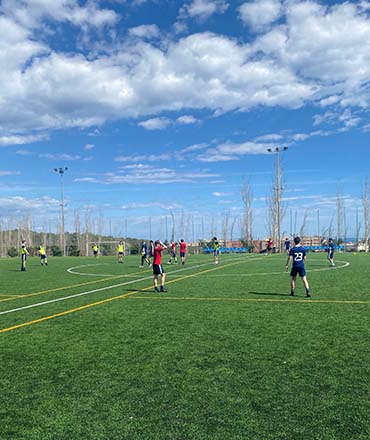
Weather and facilities matter. In spring, southern Spain and Portugal offer mild temperatures and well-kept grass pitches. Read our guides to football training camps in Spain and football training camps in Portugal for detailed comparisons.
When comparing options, check pitch quality, distance from hotel to pitch, meal times and access to practice matches. Above all, choose a place where the logistics are simple, so the coaches can focus on football.
Measuring Progress After the Camp
Finally, follow up. A camp is most valuable when its lessons continue at home. Coaches can repeat key drills in the following weeks, review video clips and check whether personal goals were reached. In addition, short player surveys reveal what worked and what to change next time.
If you are planning your next trip, explore our football camps page for destinations, facilities and what a typical package includes.
Player Development and Football Camps: FAQ
At what age should players attend a camp?
Many clubs start from around eleven or twelve. Younger players can join day camps closer to home.
How long should a football camp be?
Six to eight days is common. That allows a meaningful training block without too much fatigue.
Can a single camp really improve player development?
One camp will not transform a player, yet it can speed up learning, especially when the club follows up afterwards.
Should we play matches during the camp?
Yes, one or two practice matches help players apply what they have trained.