

Good preparation is the difference between a camp that flies by in a blur and one that truly improves your game. These football camp tips are written for players, parents and coaches who want to arrive ready, avoid common mistakes and get the most out of every session. Whether it is your first trip or your tenth, the checklist below will help.
A camp is intense. There are often two sessions a day, new surroundings and plenty of excitement. Consequently, small details such as sleep, footwear and hydration suddenly matter a lot more than at home.
1. Build Your Fitness in Advance
First of all, do not use the camp to get fit. Instead, arrive fit. Start gradually increasing your running and training volume three to four weeks before departure. As a result, your body will cope with double sessions and you will lower the risk of injury.
2. Break In Your Boots
New boots on day one are a classic mistake. Wear them in for several training sessions before you travel. In addition, bring a second pair, ideally one for firm ground and one for artificial grass, because pitch surfaces vary between venues.
3. Pack Smart and Label Everything
Next, make a packing list and tick it off. Include shin pads, several training kits, socks, a rain jacket, sunscreen, a water bottle and flip-flops. Label your clothes and kit with your name, because team gear quickly gets mixed up.

4. Sort Out Documents Early
Check that your passport or ID card is valid for the whole trip. Also, make sure the club has your emergency contacts, medical information and, for minors, any consent forms. Travel insurance is strongly recommended.
5. Set Personal Goals
One of the most valuable football camp tips is to travel with a purpose. Choose two or three things you want to improve, such as your weaker foot, heading or communication. Share them with your coach, who can then give you targeted feedback during the week.
6. Learn the Basics of Recovery
Recovery is part of training. Therefore, learn a short stretching routine, use a foam roller if you have one and aim for at least eight to nine hours of sleep. Between sessions, rest in the shade instead of spending hours in the sun.
7. Eat and Drink Well
Your body needs fuel for double sessions. Eat a proper breakfast, include carbohydrates at every meal and add protein after training. Meanwhile, drink water regularly throughout the day, especially in warm weather. Avoid trying unfamiliar supplements during the camp.
Football Camp Tips for the Mind
8. Be Open to Feedback
Coaches at camps often see things your regular coach has not mentioned. Listen carefully, ask questions and try their suggestions in the next drill. A curious attitude speeds up learning more than talent alone.
9. Get to Know Your Teammates
Camps are social. Talk to new people, sit with different players at meals and help younger teammates settle in. Good relationships off the pitch lead to better communication on it.
10. Respect the Rules and Each Other
Finally, follow the group rules on curfews, phones and free time. They exist to keep everyone safe and rested. Be on time for meetings and sessions, and treat hotel staff, coaches and opponents with respect.
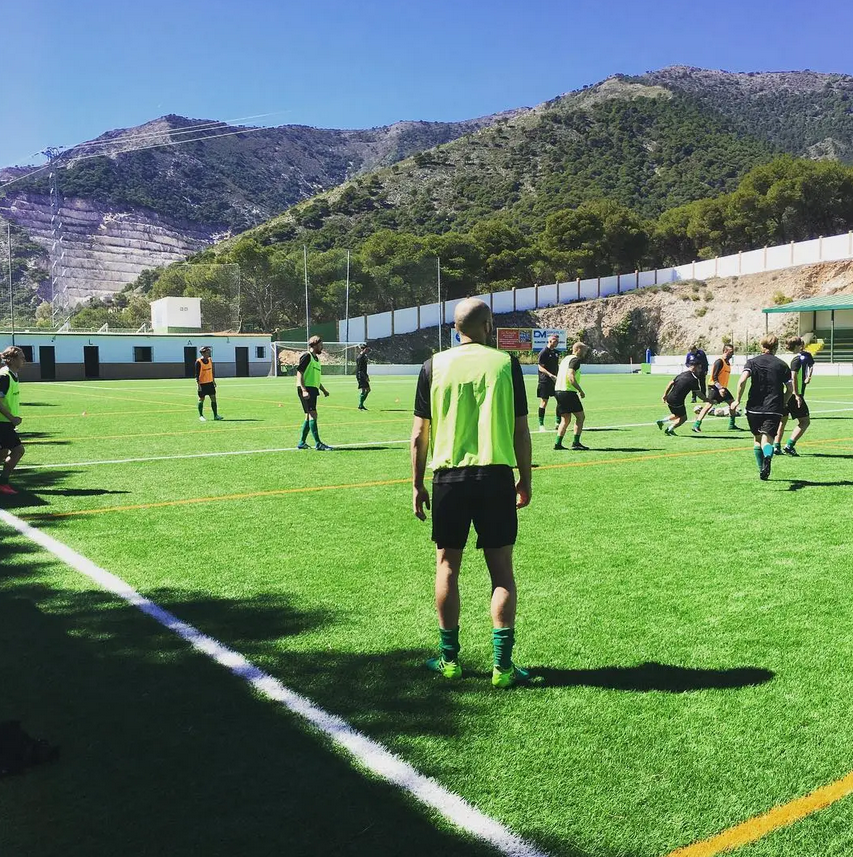
Football Camp Tips for Parents
Parents play an important role before departure. Help your child pack, but let them do most of it themselves, so they know where everything is. In addition, talk about homesickness in a positive way and agree on a simple plan for phone calls.
Also, share any allergies, medical conditions or medication needs with the organisers well in advance. If your child takes medication, pack it in its original packaging with clear instructions.
Common Mistakes That Undo Good Football Camp Tips
Even well-prepared players sometimes slip into habits that waste their effort. The most common is staying up late on the first nights because of the excitement. Another is spending free time in strong sun, which drains energy before the afternoon session. Some players also skip breakfast or forget to drink, and then wonder why their legs feel heavy. Finally, many hide small knocks because they do not want to miss training. Instead, report pain early, since a quick check from staff often prevents a bigger problem later in the week.
Tips for Coaches and Team Managers
Coaches should send a clear information pack to players and parents several weeks before the camp. It should include the schedule, packing list, rules, contact details and costs. Meanwhile, plan the training themes for each day and prepare backup sessions in case of rain or heat.
Furthermore, appoint one adult as the main contact for medical questions and another for logistics. That division of roles keeps things calm when the group is busy.
Football Camp Tips for a Typical Day
Knowing the rhythm of the day helps players prepare mentally. A common schedule looks like this:
- Breakfast, followed by a morning session of about 90 minutes.
- Lunch and rest during the warmest part of the day.
- Afternoon session with game-related training or a practice match.
- Dinner, team meeting and some free time.
- Lights out at an agreed time.
Understanding this routine reduces stress and helps players manage their energy across the week.
Putting Football Camp Tips Into Action
If you are still choosing a destination, browse our football camps overview. Clubs looking for warm weather in winter often compare options in our guide to football training camps in Cyprus. For more advice on travel and training, see all our articles.
Football Camp Tips: FAQ
How early should I start preparing?
Start about a month before departure with fitness work and a first look at your packing list.
How many pairs of boots should I bring?
Two pairs are ideal, so you are ready for different surfaces and have a backup if one breaks.
What if I feel homesick?
That is normal. Stay busy, talk to teammates and coaches, and call home at agreed times.
Should I bring my own ball?
It is not necessary, since camps provide balls. However, a ball can be fun for free time if rules allow it.
How can I avoid injuries?
Arrive fit, warm up properly, sleep well, drink enough and tell coaches immediately if something hurts.