
Spain’s third-largest city combines a strong football culture with one of the most pleasant climates in Europe. Valencia football camps attract clubs from across northern Europe who want warm-weather training, good facilities and a lively city to explore between sessions. With more than 300 days of sunshine a year, wide sandy beaches and two professional clubs, Valencia offers everything a squad needs for a productive training week.
This guide covers when to go, where to train, what to do off the pitch and how to plan a smooth trip.
Why Choose Valencia Football Camps
Valencia sits on the Mediterranean coast, roughly halfway between Barcelona and Alicante. Its mild winters, with daytime temperatures often between 15 and 20 °C, make it ideal for pre-season in January and February or for spring camps around Easter. The city is compact, well connected and full of sports facilities, from municipal complexes to private academies. Football is part of daily life here, and visiting teams quickly feel the passion of a city that has hosted European finals and decades of La Liga football.
Best Time to Visit
- January to March: mild, dry weather ideal for winter training; fewer tourists and lower prices.
- April and May: warm temperatures, long days and good pitch conditions, perfect for Easter camps.
- June and September: hot but manageable with morning and evening sessions.
- July and August: very hot and busy; generally best avoided for intensive training.
Note that the Fallas festival in mid-March brings fireworks, crowds and higher hotel prices. It is an unforgettable experience, but plan accommodation early if your dates overlap.
Training Facilities for Valencia Football Camps
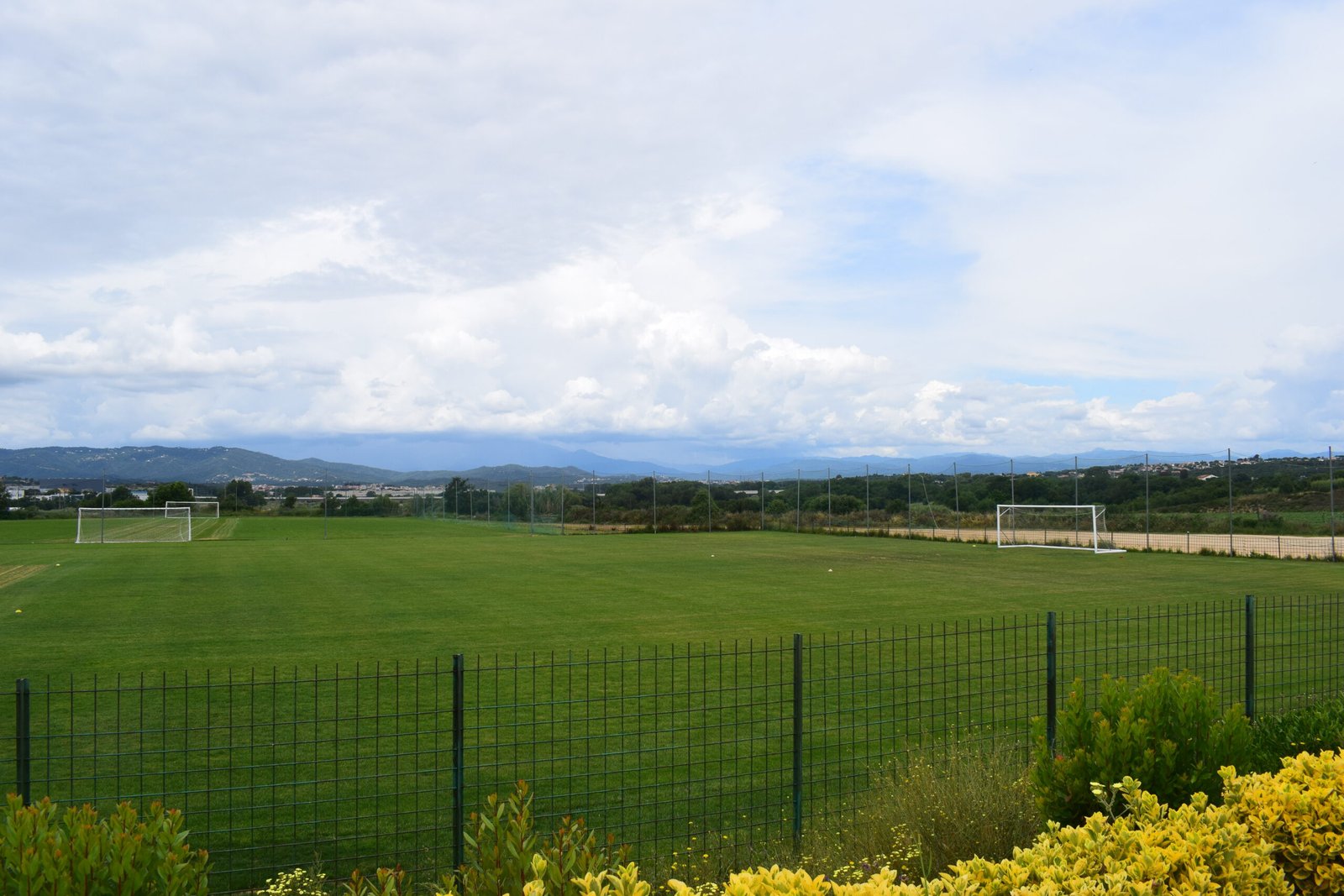
The Valencia region has a wide range of natural grass and high-quality artificial pitches. Many camps use sports complexes on the city outskirts or in nearby coastal towns, where teams can train without interruption and access changing rooms, gyms and recovery areas. Some facilities also offer physiotherapy, video analysis rooms and pools. Friendly matches against local academy teams are often possible, giving squads valuable competition against a different style of football.

Football Culture in Valencia
Valencia CF plays at the historic Mestalla stadium, one of the steepest and most atmospheric grounds in Spain. A stadium tour or a La Liga match is a highlight for many visiting squads. The city’s second club, Levante UD, plays at Ciutat de València in the north of the city and offers another match-day option with easier ticket availability. Local youth football is highly organised, and coaches often appreciate the chance to observe academy sessions.
Accommodation
Teams usually stay in sports hotels or apartment complexes near the beach at Malvarrosa or in the coastal towns south of the city. Look for accommodation with team meeting rooms, flexible meal times and secure storage for equipment. Staying close to the training base reduces transfer time and keeps the schedule relaxed.
Valencia Football Camps: Getting There and Around
Valencia Airport is around 10 kilometres from the city centre and has direct flights from many European cities. Alicante Airport, about two hours away, is an alternative with more low-cost routes. High-speed trains connect Valencia to Madrid in under two hours, which can be useful for teams combining training with a visit to the capital. For daily transfers, most groups use private coaches arranged by their camp provider. The city also has a modern metro and tram network, useful for free-time excursions.
Off the Pitch
Valencia offers plenty of team-friendly activities:
- The City of Arts and Sciences, with its futuristic architecture, science museum and Europe’s largest aquarium.
- The Turia Gardens, a nine-kilometre park built in a former riverbed, ideal for recovery runs and cycling.
- Beach sessions at Malvarrosa for light recovery and team games.
- The historic old town, with the cathedral and Central Market.
- A traditional paella lunch, as the dish originates from the Valencia region.
Costs and Budgeting
Valencia is generally more affordable than Barcelona or the Balearic Islands, particularly outside Easter and the summer months. A typical package for a training week includes accommodation with full or half board, pitch hire, local transfers and sometimes a friendly match or stadium tour. Clubs can reduce costs by travelling in January or February, sharing rooms and choosing hotels slightly outside the city centre. Ask providers for an itemised quote so you can compare like with like, and check what is included for staff and drivers.
Valencia Football Camps for Youth Teams
Youth squads benefit from Valencia’s safe, walkable neighbourhoods and the wide range of educational excursions. Many coaches add a visit to the aquarium or science museum to balance training with learning. Keep the schedule structured, with clear meeting points, supervised free time and early evenings. Spanish meal times are later than in northern Europe, so agree dinner times with your hotel in advance so younger players get enough sleep.
Language and Practical Details
Spanish and Valencian are both spoken locally, but English is common in hotels and sports facilities. Bring European health insurance cards, adaptors and plenty of sun cream even in winter.
Sample Week Schedule
A typical seven-day camp might look like this:
- Day 1: arrival, light session and team meeting.
- Days 2–3: double sessions focused on fitness and tactical shape.
- Day 4: morning training, afternoon at the City of Arts and Sciences.
- Day 5: friendly match against a local team.
- Day 6: recovery session on the beach and match visit at Mestalla.
- Day 7: final light session and departure.
Planning Tips for Valencia Football Camps
Book early for spring dates, especially around Easter and Fallas. Confirm pitch type and quality in advance, and ask about rules for training times on municipal fields. Build rest into the schedule, as warm weather increases fatigue. Our guide on how to plan group travel for sports teams covers budgets, documents and responsibilities.
Combining Valencia With Other Destinations
Some clubs combine Valencia with other parts of Spain. Murcia, further south, offers even more winter sunshine, as described in our guide to football camps in Murcia. For a wider overview of destinations across the continent, see our football training camps in Europe guide.
Final Thoughts
Valencia football camps offer a rare combination: reliable weather, strong facilities, real football culture and a vibrant city that keeps players engaged off the pitch. Whether your squad needs winter conditioning, spring preparation or a team-building trip, Valencia delivers a productive and memorable week on the Mediterranean.