
Few cities breathe football like Milan. Two of the most decorated clubs in Europe, AC Milan and Inter, share the same stadium, and the rivalry between them shapes daily conversation in bars, offices and schools. For coaches who want players to experience a true football capital, football camps in Milan offer a rare mix of elite heritage, Italian tactical culture and a modern, well-connected city.
Milan is also the economic heart of Italy, which means excellent transport, a wide choice of hotels and easy day trips into the Alps and the lake district. This guide covers what clubs need to know before booking.
The Football Story Behind Football Camps in Milan
The Stadio Giuseppe Meazza, better known as San Siro, is one of the most famous grounds in the world. Both Milan clubs play there, so in season there is often a Serie A match every weekend. Guided stadium tours and the club museum are popular with youth teams, and walking out near the pitch where so many European finals have been played tends to stay with players for years.
Both clubs also run their first-team training centres outside the city: AC Milan at Milanello near Carnago and Inter at Appiano Gentile, both in the countryside north of Milan. Visiting these sites is usually not possible, but they illustrate how seriously Lombardy treats preparation. The region also has a deep network of amateur and youth clubs, which makes it easy to arrange friendly matches.
What Italian coaching adds
Italian football is known for tactical discipline, compact defending and attention to detail in every phase of play. Many clubs use a camp here to work on positional play, pressing triggers and set pieces, and some arrange a session led by a local coach so players hear new ideas in a different voice.
Travelling to Milan
Milan has three airports. Malpensa, the largest, lies about 50 kilometres north-west of the city and is linked to the centre by the Malpensa Express train in under an hour. Linate is close to the city and connected by metro, while Bergamo Orio al Serio is served by many low-cost airlines and sits about an hour away by coach. For a team with kit bags, a private coach from the airport to the hotel is the simplest option.
Inside the city, the metro is fast and clear, but most camps rely on a booked coach between hotel and pitches, because the best training venues are often in the suburbs or the surrounding towns.
Where Teams Train and Stay
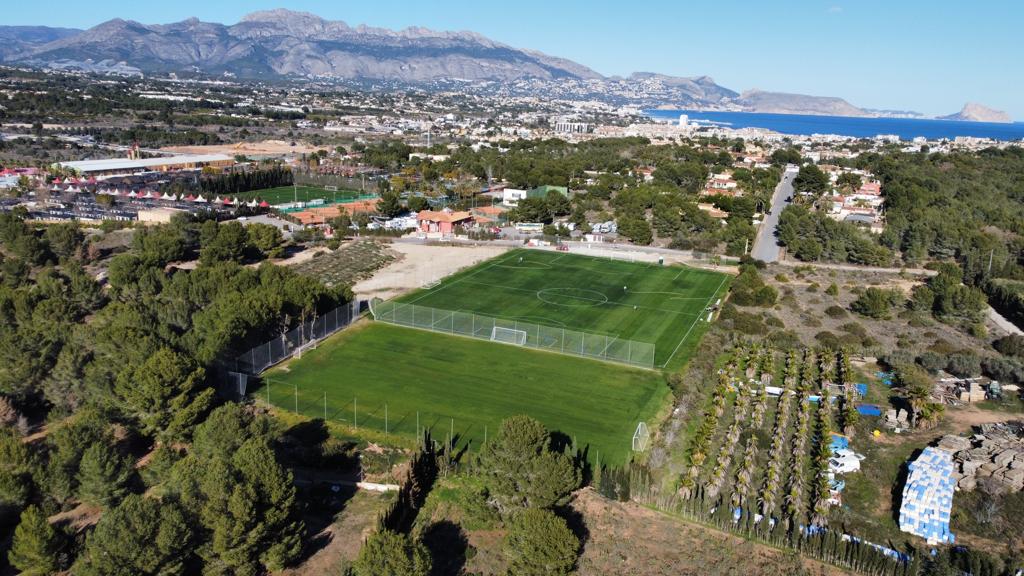
Hotels in the city centre are expensive and pitches are limited, so many clubs base themselves on the outskirts or in nearby towns in the province, where sports centres combine grass or artificial pitches with changing rooms and sometimes accommodation. Ask your organiser about the surface, the size of each pitch, floodlights and how far the hotel is from training. A transfer of 15 to 20 minutes is ideal; anything longer eats into rest time twice a day. The best football camps in Milan keep this logistics side simple so the coaching can take centre stage.
Meals matter too. Italian food suits athletes well, with pasta, rice, grilled meat, fish and vegetables, but dinner in Italy is traditionally served late. Make sure the hotel agrees to team meal times that fit the training schedule.
When to Book Football Camps in Milan
Timing has a big influence on the quality of the week.
- March to May: mild weather, green pitches and plenty of local clubs available for friendlies. This is the most popular window.
- June: warm and long days, good for youth camps after the school year.
- July and August: often hot and humid, so training must be planned for early morning and evening.
- September and October: pleasant temperatures and a good option for pre-season tune-ups.
- November to February: cold, damp and sometimes foggy, better suited to indoor work or short city trips.
A Week That Balances Work and Experience
Rather than training twice every single day, many coaches in Milan build the week around one big highlight, such as a match at San Siro or a stadium tour.
- Arrival day: check-in and a light activation session.
- Days two and three: double sessions on technique, positional play and pressing.
- Day four: morning session, then a guided visit to the city centre.
- Day five: friendly against a local Lombard club.
- Day six: a lighter session, a team review and, if the fixture list allows, a Serie A match.
- Departure day: recovery walk and transfer to the airport.
Sightseeing Between Sessions
Milan rewards a few free hours. The Duomo, with its rooftop terraces, is the obvious first stop, and the Galleria Vittorio Emanuele II next door is one of the most elegant shopping arcades in Europe. Sforza Castle and the park behind it are good for a relaxed walk, and the Navigli canal district is lively in the early evening. Lake Como is around an hour away by train, which makes a perfect recovery day with fresh air and calm water.
If your group would like to see more of northern Italy, our guide to football camps in Verona covers a smaller city close to Lake Garda that combines well with a Milan visit.
Budget Tips for Football Camps in Milan
Milan is not the cheapest destination in Italy, but costs can be controlled. Staying outside the centre lowers hotel prices sharply. Booking flights early, travelling outside Italian holiday periods and choosing a package with pitches, meals and transfers all help keep the price per player predictable. Serie A tickets vary a lot by fixture, so check prices well in advance and set aside a separate budget for the match.
Leading the Group Off the Pitch
A week in a big city tests the coaching staff as much as the players. Clear house rules, agreed meeting points on the metro and a buddy system for younger players reduce stress. Staff should also plan how they will share responsibilities, from medical care to evening supervision. For advice on guiding a squad through a busy week, read our article on top leadership qualities for football coaches.
Families back home appreciate short daily updates, a few photos and a clear emergency contact. Collect medical information, check insurance that covers football and bring a well-stocked first-aid kit.
Combining Sports and Destinations
Some clubs with several teams use the same trip for different groups. Italy has strong options for other sports too, and swimmers in a multi-sport club may enjoy our guide to a swim camp in Riccione on the Adriatic coast, which is a few hours from Milan by train.
Final Thoughts
Football camps in Milan give players something they rarely get at home: daily training in a city where football is part of the identity, combined with tactical ideas from one of the most respected coaching cultures in the world. With the right season, a well-located base and a realistic budget, a week in Lombardy can become a highlight of the club year.