
An affordable football trip is absolutely possible, even for grassroots clubs and youth teams with tight budgets. The secret is not to cut corners on safety or training quality, but to make smart choices about timing, transport and accommodation. In this guide, we walk through the main cost drivers and share practical ways to keep the price down while still giving players a trip they will remember.
Most teams overspend in the same few areas: peak-season travel, last-minute flights and hotels that are far from the training venue. Fortunately, each of these can be fixed with a little planning. As a result, the money you save can go towards an extra practice match, better food or a fun team activity.
Start With a Clear Budget
First of all, decide how much each player can realistically pay. Then work backwards. Write down every cost item, including flights, transfers, accommodation, meals, pitch rental, insurance, kit and pocket money. Once everything is on paper, it becomes much easier to see where savings are possible.
In addition, agree early on what the trip must include. For example, some clubs insist on full board and two sessions a day, while others prioritise a top-flight match. Knowing your priorities stops the budget from creeping upward later.
Choose the Right Time to Travel
Timing has the biggest effect on price. School holidays, Easter and summer weekends are the most expensive periods for flights and hotels. Therefore, if your players can travel a few days outside these peaks, you can save a lot.
Spring and autumn are also the best seasons for training in southern Europe. Temperatures are pleasant, pitches are in good condition and coastal hotels are less crowded than in July and August. Consequently, an affordable football trip and good training conditions often go hand in hand.
Book Flights Early and Flexibly
Group flights are usually cheapest when booked several months ahead. Compare direct routes with options from nearby airports, because a slightly longer bus ride to a different airport can reduce the fare significantly. Moreover, ask airlines about group bookings, which sometimes allow name changes later.
Keep an eye on baggage rules too. Kit bags, balls and medical equipment add weight, and extra baggage fees can quickly ruin a careful budget. A shared team bag for equipment is often cheaper than paying for many separate items.
Pick Accommodation Close to the Pitches
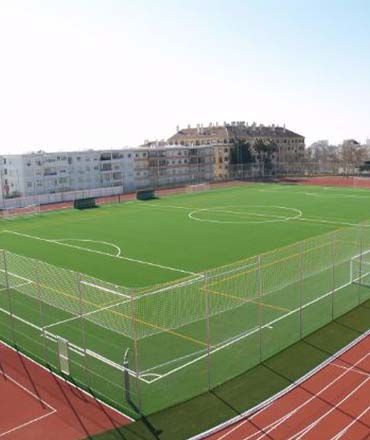
A hotel next to the training venue saves time and money every day. Long transfers mean extra bus costs and less rest for the players. In addition, full-board packages usually work out cheaper than eating out, and they make it simpler to provide the right food before and after training.
Ask about room sizes as well. Triple or quadruple rooms for players reduce the price per person, while coaches and leaders can share twin rooms. Always confirm that rooms for minors are on the same floor as the adults responsible for them.
How an Affordable Football Trip Handles Training Costs
Pitch rental varies by destination and season. Popular venues in peak weeks cost more and may be fully booked. Therefore, book training slots at the same time as your hotel, and ask whether the price includes changing rooms, goals, balls and water.
If you want a practice match, ask the organiser to arrange a local opponent. Many destinations have clubs that welcome visiting teams, and a friendly is one of the most valuable parts of the trip for very little extra cost.
Save on Match Tickets
If the trip includes watching professional football, look for less high-profile fixtures or lower-league matches. These are often cheaper, easier to book and still offer a great atmosphere. In addition, some clubs offer discounted tickets for youth groups when booked through official channels. Never buy from unofficial resellers, since tickets may be invalid.
Use Package Deals Wisely
Package camps that combine accommodation, pitches, transfers and meals can be good value, because organisers buy in volume. However, compare what is actually included. A cheaper headline price can hide extra charges for pitches or transfers. Ask for a written offer and check every line.
For a sense of what is typically included, look at our overview of football camps in Europe, which explains the standard elements of a camp week.

Fundraising Ideas for an Affordable Football Trip
Many clubs reduce the cost per player through fundraising. Popular ideas include:
- Sponsored training challenges, such as keep-ups or long runs.
- Selling food or drinks at home matches.
- Local business sponsorship in exchange for a logo on training shirts.
- Raffles or quiz nights for families and supporters.
- Collecting and recycling bottles or cans.
Fundraising also builds team spirit, because everyone works towards the same goal. Moreover, it makes the trip more inclusive for families with smaller budgets.
Affordable Football Trip Destinations
Some regions are naturally better value than others. Southern Spain, Portugal and parts of Croatia and Cyprus combine good weather, many flights and a wide range of hotels. Our guides to football training camps in Spain and football training camps in Portugal compare popular areas in detail.
When comparing destinations, look at the total cost per person, not just the hotel price. Transfer time, pitch fees and meal plans can change the picture completely.
Final Checklist Before You Book
Before you pay any deposit, run through these questions. Is the training venue confirmed for your dates? Are transfers included? What is the cancellation policy? Is travel insurance arranged? Have parents received a clear cost breakdown? If the answer to each is yes, you are ready to book with confidence.
Affordable Football Trip: FAQ
How far ahead should we book?
Ideally four to six months ahead for flights and accommodation, especially in spring.
Is a package deal cheaper than booking separately?
Often, yes, because organisers negotiate group rates. Still, compare the full contents of each offer.
What is the cheapest time of year?
Outside school holidays, particularly in early spring and late autumn.
How many adults should travel with a youth team?
Many clubs use roughly one adult per eight to ten players, and more for younger groups.
Can we include a professional match on a budget?
Yes. Lower-profile fixtures and lower-league games are usually cheaper and easier to book.