
A football losing streak can affect a team far beyond the league table. Confidence drops, players start to doubt each other and training can feel heavy. Coaches face a delicate task: they must be honest about what is going wrong without making players more anxious. The good news is that every team, from local youth sides to top clubs, goes through difficult runs, and many come out stronger.
This guide gives practical ways to keep players motivated, protect team spirit and create the conditions for results to turn.
Understand What a Football Losing Streak Does to Players
Repeated defeats change how players think. Some become afraid of mistakes and stop taking risks. Others try to do too much on their own. Blame can creep into the dressing room, and small frustrations grow. Recognising these reactions helps a coach respond with patience rather than adding pressure.
It is also worth remembering that results do not always reflect performance. A team can play reasonably well and still lose because of a few key moments. Separating performance from outcome is a key first step.
1. Stay Calm and Consistent
Players watch the coach closely during tough periods. If the staff look panicked, the squad will feel it. Keep routines stable, speak calmly and avoid dramatic changes after every defeat. Consistency signals that there is a plan and that the coach still believes in it.
2. Review Honestly, but Constructively
Analyse matches carefully. Look at what went well as well as what went wrong. Present feedback in a balanced way, for example two or three strengths followed by one or two clear areas to improve. Avoid long lists of errors, which overwhelm players and drain energy.
3. Set Small, Achievable Goals
When winning feels far away, focus on targets players can control. Examples include winning more second balls, keeping a clean sheet for the first twenty minutes or completing a set number of passes in the opponent’s half. Achieving these process goals gives the group something to celebrate and builds momentum.
4. Make Training Enjoyable Again
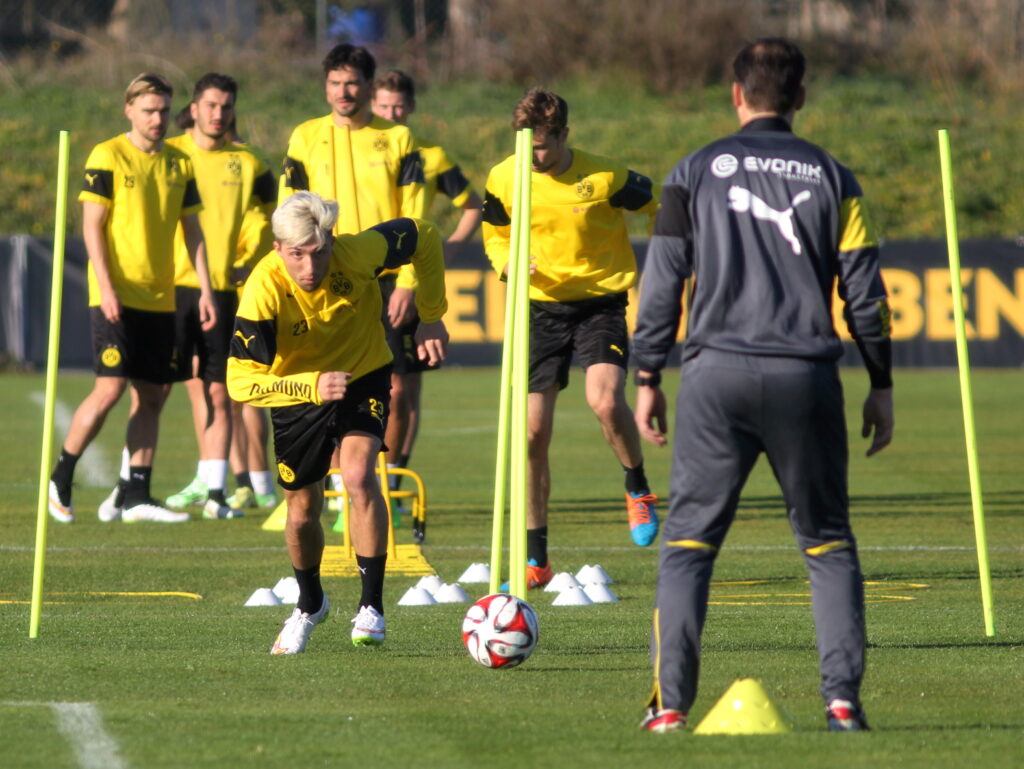
Breaking a football losing streak often starts on the training pitch. Include competitive small-sided games, challenges and activities with plenty of touches on the ball. Players who enjoy training regain energy and confidence. In addition, mix in sessions that rebuild the basics, such as passing patterns and defensive shape, so players feel prepared.

5. Protect Players From Blame
Avoid singling out individuals in front of the group. Mistakes should be discussed privately and framed as learning opportunities. Encourage players to take collective responsibility, and step in quickly if teammates begin blaming each other. A united squad is much more likely to turn results around.
6. Use Your Leaders During a Football Losing Streak
Captains and senior players have a powerful influence. Meet with them, share your plan and ask for their views. They can lift the mood in the dressing room, support younger players and set the tone in training. Strong internal leadership often matters more than any team talk.
7. Highlight Progress and Effort
Point out improvements even if the result does not change yet. Show video clips of good pressing, well-worked attacks or brave defending. Praise effort, attitude and teamwork. Players need evidence that their work is paying off.
8. Look After Wellbeing
Long periods without success can affect mood and sleep. Check in with players individually, especially younger ones. Remind them that football is only one part of life, and make sure they have support. Sometimes a lighter session or a day off helps more than an extra hard workout.
9. Change the Environment
A fresh setting can break negative patterns. A team-building activity, a day trip or a short training camp gives players a chance to reconnect away from league pressure. Many clubs use a mid-season or pre-season football training camp to reset, work intensively on tactics and build team spirit. Our article on why football camps are key for player development explains how this can help.

What to Avoid When Results Are Poor
Some reactions make a difficult run worse:
- Making big tactical changes every week, so players never settle.
- Publicly criticising players or blaming referees constantly.
- Punishing the squad with extra running instead of solving problems.
- Ignoring the issue and pretending everything is fine.
- Focusing only on the league table instead of performance.
Communicating With the Whole Club
In youth and amateur football, parents and supporters also feel the frustration. Share a clear, calm message about the plan and the focus on development. Ask for patience and positive support from the touchline. When everyone pulls in the same direction, players feel less pressure.
Ending a Football Losing Streak: The First Win
When the win finally comes, celebrate it, but keep perspective. Recognise the work that led to it and refocus quickly on the next performance. Remind players which habits helped them turn the corner so they can repeat them.
Learning From the Experience
Difficult periods teach valuable lessons. Players learn resilience, coaches refine their methods and the group discovers how much it can handle together. Many squads look back on a hard run as the moment their team identity was formed.
Before your next trip, our football camp tips can help you prepare a squad for an intensive week of training and bonding.
Using Data Without Overloading Players
Simple statistics can help a team see progress that results hide. Track a few numbers, such as shots on target, recoveries in the final third or goals conceded from set pieces. Share trends rather than single-match figures, and keep the presentation short. When players see their numbers improving week by week, belief returns faster. However, avoid turning every meeting into a data lecture. Two or three clear points are enough.
Planning the Next Weeks After a Football Losing Streak
Map out the coming fixtures and training sessions with clear themes. For example, one week might focus on defending crosses, the next on building attacks through midfield. A visible plan reassures players that there is a route forward, and it gives each session a purpose that is bigger than the next result.
Final Thoughts on a Football Losing Streak
Motivating players during a football losing streak requires patience, honesty and a clear plan. Stay calm, set small goals, make training enjoyable and protect the unity of the group. Results may take time to follow, but a squad that keeps believing and working together is always closer to turning the corner than it looks.