
Every coach wants to walk into a match knowing what to expect. Scouting opponents is how you get there. It does not require a professional analysis department or expensive software. With a clear plan, a notebook and a bit of discipline, any club can learn enough about the next opponent to make smarter decisions on match day.
This guide walks through the process step by step: what information matters, where to find it, how to organise it and how to share it with players without overloading them.
Why Scouting Opponents Matters at Every Level
At the top of the game, scouting is a full-time job. At amateur and youth level it is often skipped entirely, which is a missed opportunity. Even a little knowledge changes how a team prepares. Knowing that the opposition plays long balls to a tall striker, or that their left-back loves to overlap, lets you plan a response in training instead of discovering it after conceding.
Scouting also builds confidence. Players who understand what is coming feel prepared, and a prepared team usually starts matches with more energy and focus.
Step 1: Decide What Scouting Opponents Should Tell You
Before you watch a single minute, write down the questions you want answered. A focused list keeps you from drowning in detail. Useful starting points include:
- Which formation do they start with, and do they change it with or without the ball?
- How do they build from the back: short passes, or long balls from the goalkeeper?
- Where do they press, and how quickly do they win the ball back?
- Who are the two or three key players, and what are their strengths?
- How dangerous are they from set pieces, both attacking and defending?
- How do they react when they fall behind or go ahead?
Six or seven questions are plenty. You can always add detail later.
Step 2: Gather Information on a Budget
There are more sources available than most coaches realise.
Watch a Live Match
Nothing beats seeing a team in person. You see the whole pitch, hear the communication and notice off-the-ball movement that a camera misses. If the opponent plays nearby the week before, it is worth the trip. Bring an assistant coach so one of you can focus on attack and the other on defence.
Use Video Where Possible
Many clubs now film their own matches, and some leagues publish footage. Even a shaky recording from the stands shows patterns. Watch once at full speed for the general picture, then again to pause on specific situations.
Talk to Other Coaches
Coaches who have played the same opponent recently can share useful insights. Keep it friendly and offer the same courtesy in return. Combine their comments with your own observations rather than relying on them alone.
Check Results and Statistics
League tables, goals scored and conceded, and timing of goals all tell a story. A team that concedes late in matches may struggle with fitness. A team that scores mostly from corners deserves special attention at set pieces.
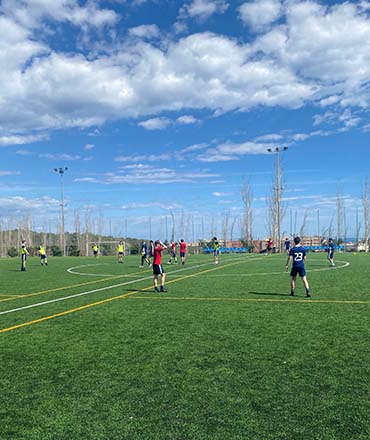
Step 3: Scouting Opponents for Patterns, Not Moments
The most common mistake when scouting opponents is focusing on a single spectacular goal or error. One moment tells you very little. What you want are habits that repeat several times in a match.
Track simple things with tally marks: how often they play out from the goalkeeper, which side most of their attacks come from, how many players they commit to the box from crosses. After twenty minutes, clear tendencies usually appear. These are the patterns your team can prepare for.
Pay attention to transitions too. How quickly does the opponent switch from defence to attack? Do their midfielders recover their position after losing the ball? Transitions often decide amateur matches, and a weakness here is one of the easiest to exploit.
Step 4: Turn Observations Into a Game Plan
Information is only useful when it leads to decisions. For each key pattern, ask what it means for your team.
- If they build short from the back, could you press high and force mistakes?
- If their full-backs push forward, is there space for quick counter-attacks behind them?
- If their striker wins everything in the air, who marks him and who covers the second ball?
- If they fade physically late in games, should you save fresh legs for the last twenty minutes?
Choose two or three priorities. A plan with ten instructions is forgotten by kick-off. Build a training session in the week around those priorities so players rehearse the solutions on the pitch. Keep a backup idea ready, because the opponent may surprise you, and our guide to in-game tactical changes explains how to adjust calmly once the match is underway.
Step 5: Share a Short, Clear Report
Players do not need your full notes. They need the essentials, presented in a way they remember.
For the Whole Squad
Use one page or a few slides: the opponent’s formation, their main strengths, their weaknesses and your two or three key messages. A simple pitch diagram is often clearer than paragraphs of text.
For Individual Players
Give specific information to players with specific duties. The centre-back marking a quick striker should know his preferred foot and favourite runs. The goalkeeper should know who takes penalties and free kicks.
Timing the Message
Share the main points early in the week, rehearse them in training and repeat the key messages briefly before the match. Repetition builds understanding without creating stress.

Scouting Opponents in Youth Football
With young players, keep the focus on your own team’s development. Scouting should help them learn about the game, not make them anxious. Share one or two simple observations, such as “their number nine is fast, so we keep our defensive line a bit deeper”, and explain why. Avoid labelling opponents as weak or strong in front of the group, and never let preparation replace the long-term goal of improving every player.
Common Mistakes When Scouting Opponents
- Collecting too much information and sharing all of it.
- Basing the whole plan on one match that may not be typical.
- Forgetting that the opponent will also prepare for you.
- Ignoring external conditions such as the pitch, the wind or the heat. Our article on weather preparation covers how conditions should shape your plan.
- Changing your own identity completely just to counter an opponent.
Scouting Opponents at a Training Camp
Pre-season is a great time to build scouting habits into your coaching staff. At a training camp, teams often play several friendly matches against unfamiliar opponents in a short period. That is ideal practice: staff can watch the opposition warm up, agree on a quick plan and test it the same day. Clubs heading to warm-weather destinations get good pitches and long daylight hours for analysis sessions. Our guide to football training camps in Greece is a good starting point if you are planning a camp with plenty of friendly fixtures.
Conclusion
Good scouting is not about knowing everything. It is about knowing the few things that will make a difference and turning them into a simple plan your players believe in. Ask clear questions, look for repeated patterns, choose a small number of priorities and communicate them calmly. Do that week after week, and your team will rarely be caught off guard.