
This Palma de Mallorca travel guide introduces the capital of the largest Balearic island. Palma is a beautiful Mediterranean city with a Gothic cathedral overlooking the sea, a charming old town, a long seafront promenade, great beaches nearby and a growing reputation as a sports destination, especially for cycling, swimming and athletics.
Palma is easy to reach from all over Europe and offers both city life and island relaxation. Before you travel, you can plan your trip with Jettripper to compare flights and hotels.
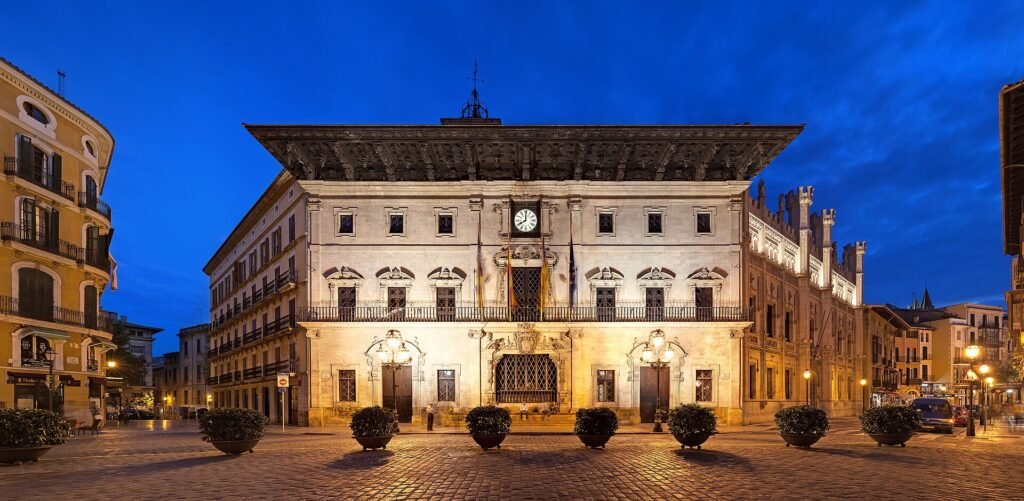

Why visit Palma?
Palma combines history, culture, food and beaches in a compact and walkable city. The island’s mild climate makes spring and autumn particularly pleasant, and the varied landscape, from flat coastal roads to the Serra de Tramuntana mountains, makes Mallorca a favourite for active travellers.
Getting to Palma
By air
Palma de Mallorca Airport (PMI) is one of the busiest airports in Spain, especially in summer, with direct flights from many European cities. It is only a short drive from the city centre. Buses, taxis and transfers connect the airport with the city.
By ferry
Ferries link Palma with Barcelona, Valencia and Denia on the mainland, as well as with Ibiza and Menorca.
Getting around
The old town is best explored on foot. City buses cover the rest of Palma, and there is a train and metro network from Plaça d’Espanya. Many visitors rent a car or bike to explore the island.
Areas of Palma
Old Town (Casco Antiguo)
The historic centre has narrow lanes, elegant courtyards, churches and lively squares such as Plaça Major.
Santa Catalina
A former fishermen’s district, now full of restaurants, cafés and a popular market.
Portixol and Ciutat Jardí
East of the centre, these seaside neighbourhoods offer small beaches and relaxed restaurants along the promenade.
Playa de Palma and El Arenal
A long stretch of beach southeast of the city, busy with hotels and popular with families and groups.
Cala Major and Illetes
West of the centre, with smaller beaches and upscale hotels.
Top things to do in Palma
La Seu Cathedral
The Cathedral of Santa María of Palma, known as La Seu, is one of the most impressive Gothic cathedrals in Europe. Its interior features work by Antoni Gaudí and the artist Miquel Barceló.
Royal Palace of La Almudaina
Next to the cathedral, this historic palace has roots in the Moorish period and is still used for official ceremonies.
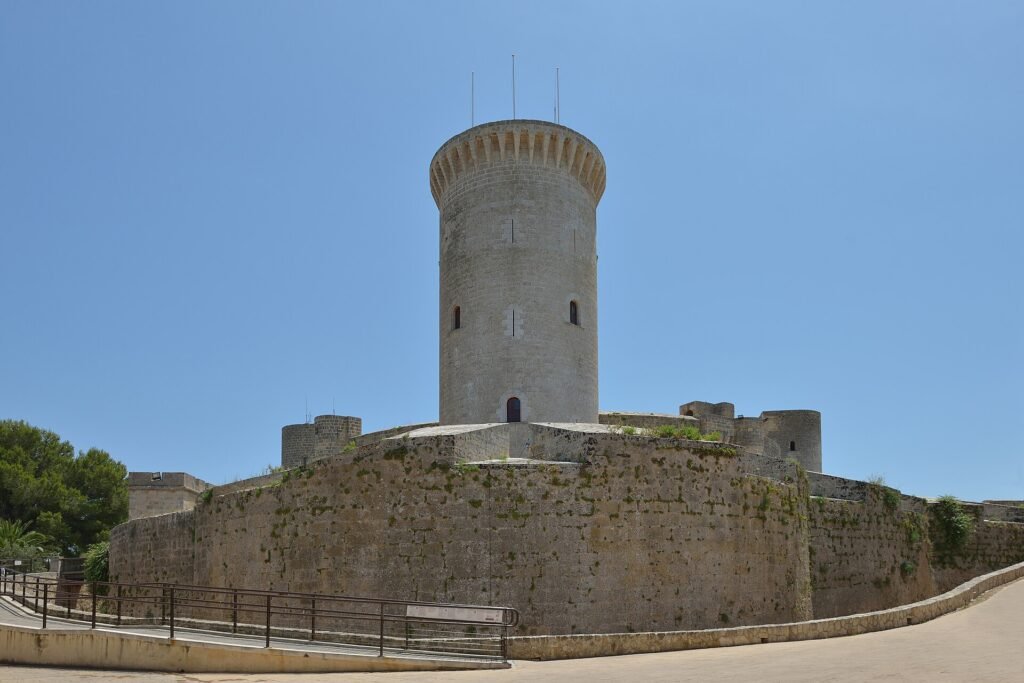
Bellver Castle
The circular Gothic castle sits on a hill above the city and offers wide views over Palma and the bay. It is a rare example of a round castle in Europe.
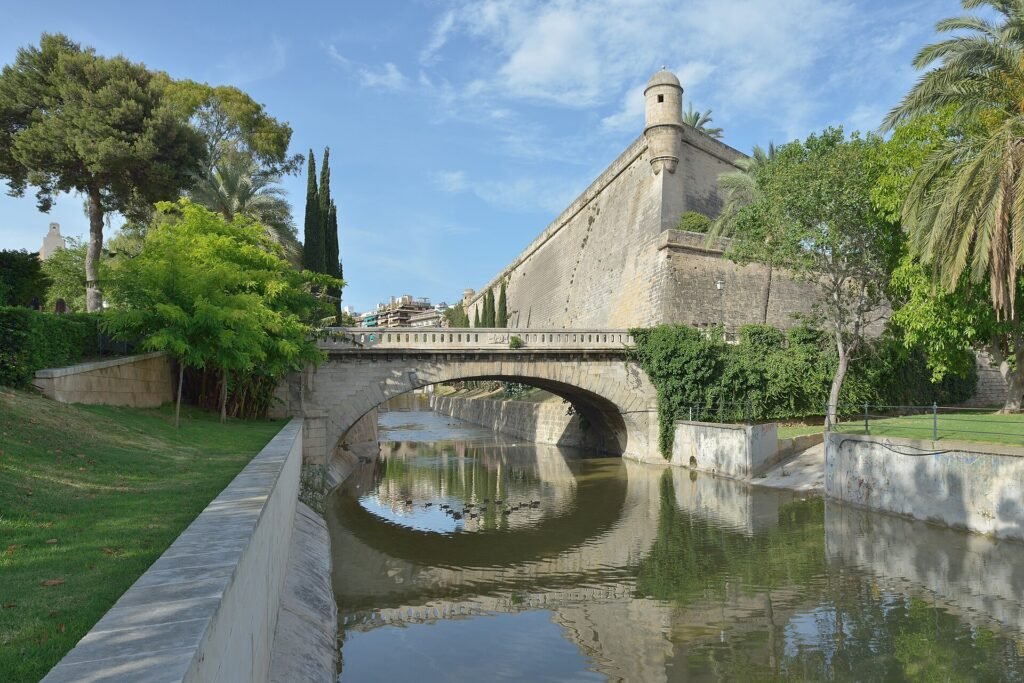

Old town walks
Wander through the lanes to discover the Arab Baths, hidden courtyards and Plaça Major.
Parc de la Mar
The park in front of the cathedral, with a large lake, is a lovely spot for photos and relaxation.
Day trips
Visit the mountain villages of Valldemossa and Deià, ride the historic train to Sóller, or explore the many coves around the island.
Beaches in and around Palma
- Can Pere Antoni – the city beach closest to the centre.
- Ciutat Jardí – a relaxed local beach east of the city.
- Playa de Palma – several kilometres of sand, popular with visitors.
- Cala Major – a small beach to the west.
- Illetes – known for its clear turquoise water.
The seafront promenade runs for kilometres along the bay and is excellent for running, cycling and walking.
Food and drink
Mallorcan cuisine is hearty and flavourful. Try ensaïmada, the famous spiral pastry, sobrassada, a soft cured sausage, pa amb oli, bread with olive oil and tomato, and tumbet, a vegetable dish. Fresh fish and seafood are widely available. Santa Catalina and the old town offer many restaurants and tapas bars.
For teams, hotels near Playa de Palma and in the city often provide buffet meals suitable for athletes.
Palma for sports and training camps
Mallorca has become one of Europe’s top training destinations. Cyclists come from all over the world to ride the flat roads of the island and the climbs of the Serra de Tramuntana. Palma has municipal sports facilities, including athletics tracks and swimming pools, and the island hosts swimming, triathlon and athletics groups as well as football teams.
The seafront promenade is ideal for easy running, and hotels used to hosting groups can help with bike storage, early breakfasts and transfers. Read more about our swim camps, athletic camps and football camps.
Tips for teams
- Visit in spring or autumn for the best training conditions.
- Book pool time and track slots early, as many groups travel at the same time.
- Use the promenade for recovery sessions.
- Plan a rest-day trip to Sóller or Valldemossa.

Seasons and weather in Palma
Palma has a mild Mediterranean climate. Winters are cool but often sunny, which suits sightseeing and cycling, although some coastal hotels close for the low season. Spring is the high season for cyclists and training groups, with almond blossom in late winter and comfortable temperatures for long rides. Summer is hot and very busy, with the beaches and the old town full of visitors. Autumn keeps the sea warm and brings calmer days, making it a great time for swimming and triathlon training. Bring layers in spring and autumn, as mountain roads can be much cooler than the coast.
Cycling in Mallorca
Mallorca is one of the most popular cycling destinations in Europe. From Palma, riders can reach quiet flat roads in the centre of the island or head into the Serra de Tramuntana for classic climbs. Bike rental shops and guided tours are easy to find, and many hotels offer bike storage and repair stations. Always follow local traffic rules and wear a helmet.
Practical tips for visiting Palma
- Language: Catalan and Spanish are official; English and German are widely spoken.
- Currency: Euro.
- Tourist tax: The Balearic Islands charge a tourist tax per night of stay.
- Best time: Spring and autumn; summer is hot and busy.
- Transport: Rent a car or bike for exploring outside the city.
- Sun: Use sunscreen, even in spring.
Looking for bargains? Browse Spain travel deals for your next Mallorca trip.
Where to stay in Palma
The old town is perfect for culture and atmosphere. Santa Catalina suits food lovers and those who want nightlife. Portixol offers a seaside setting close to the centre, while Playa de Palma is ideal for families and groups who want a beach holiday with good transport links.
A perfect day in Palma
Start with a run along the promenade, visit La Seu and the Almudaina in the morning, have lunch in Santa Catalina, walk up to Bellver Castle in the afternoon and finish with dinner by the sea in Portixol.
Palma de Mallorca travel guide FAQ
How far is Palma Airport from the city?
Only a short drive, usually around 15 to 20 minutes by taxi.
Is Palma good for training camps?
Yes, especially for cycling, swimming, triathlon and athletics, with a mild climate in spring and autumn.
What is the best beach near Palma?
Illetes is known for its clear water, while Playa de Palma is the longest.
How many days should I spend in Palma?
Two to three days for the city, plus extra days to explore the island.
Is there a tourist tax in Mallorca?
Yes, a tourist tax is charged per night in the Balearic Islands.
Final thoughts
Palma combines culture, beaches and sport in one beautiful city. Use this Palma de Mallorca travel guide to plan a trip that fits you, whether you come for a holiday or a training camp.