
A swim camp Calella trip puts your club next to one of the best-known long-course pools on the Catalan coast. Calella is a cosy town of about 17,000 inhabitants just north of Barcelona, and it has become a favourite destination for swimming clubs from all over Europe.
This article covers the town, the Sant Jordi hotel, the Olympic pool and the practical points that help coaches plan a productive week.
Swim camp Calella at a Glance
Here are the key facts for a swim camp Calella trip, so you can compare it quickly with other training camps:
- Accommodation: 4-star hotel
- Training: 50 metre outdoor pool
- Meals: Full board
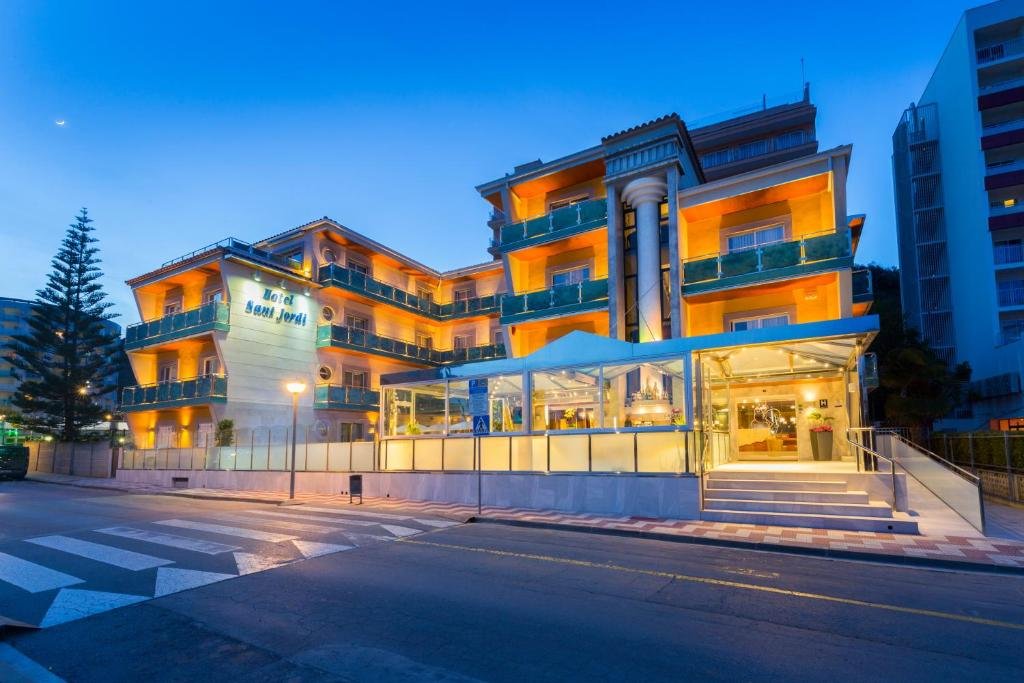
- Accommodation: Accommodation is at the Sant Jordi, just 100 metres from Calella Beach. The hotel features a spa, outdoor pool and free WiFi.
- Accommodation: At the training camp, your training will take place in a 50-metre outdoor pool 100 metres from the hotel. There is also a large gym on site for use before, during and after your training.
- Price: on request, depending on dates, group size and room types
Why Swimming Clubs Choose a Swim Camp in Calella
The main reason is the pool. Calella has a 50-metre outdoor Olympic pool with ten lanes, and it is open and heated all year round. That means the town works for autumn, winter and spring camps as well as for summer.
The facility is well organised and has hosted several Spanish swimming championships. National teams have also used it for training camps, which tells you a lot about the standard of the water, the lane organisation and the service on deck.
On top of that, the town itself is pleasant and compact. It has a three-kilometre sandy beach only about 100 metres from the swimming complex, an old town with pedestrian streets and alleys, and a wide choice of shops and restaurants.
Staying at Hotel Sant Jordi
Accommodation is at the Sant Jordi hotel, just 100 metres from Calella Beach. The short distance to both the beach and the pool is a huge advantage: swimmers can walk to training in a couple of minutes and get back to the hotel quickly to rest.
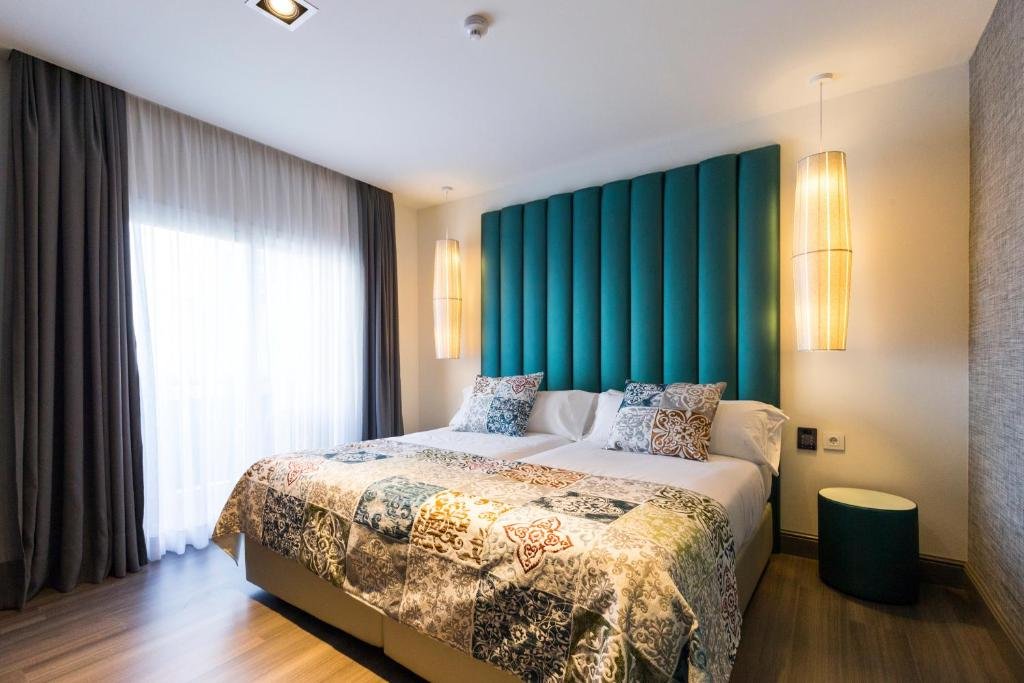
The rooms are elegantly decorated, air-conditioned and have private balconies, a minibar and a flat-screen satellite TV. The hotel also has a spa, an outdoor pool and free Wi-Fi, which is useful for school work and for keeping in touch with home.
Meals are served as a buffet in the hotel restaurant every day. With full board the group can keep a stable routine around training, which is one of the keys to a successful camp.

Training in the Olympic Pool
All swimming sessions take place in the 50-metre outdoor pool, about 100 metres from the hotel. With ten lanes there is room to split the group by level and to run different sets side by side.
There is also a large gym on site that can be used before, during and after the water sessions. This makes it easy to add activation work before swimming, core and strength sessions after, and mobility on the lighter days.
Because the pool is heated year-round, it suits both base training early in the season and race preparation before important meets.
A Day Trip to Barcelona
Barcelona is only a short distance south of Calella, and a visit to the city is a highlight for many groups. Plan it for the lighter day of the week: a morning session, lunch, and then an afternoon in the city before returning for dinner.
Back in Calella, the old town and the long beach give swimmers plenty to do in their free time without long transfers.
Coach Checklist Before Departure
Good preparation at home makes the camp itself far calmer. Before you travel, agree on goals with swimmers and parents, and make sure that everyone understands that a swim camp is a training trip first and a holiday second.
- Confirm pool times, lane numbers and whether the pool is long course or short course on the dates you travel.
- Plan dryland sessions that need little equipment: bands, mats and a skipping rope cover most needs.
- Pack spare goggles, caps, fins, paddles and a waterproof whiteboard for set writing.
- Agree on sleep, phone and meal routines so that recovery is consistent.
- Bring a simple first-aid kit and the group’s contact list.
With those basics in place, the coaches can spend their energy on coaching rather than on logistics.
Budgeting and Booking Tips
A swim camp is a big investment for most clubs, so it pays to plan the budget early. Prices depend on travel dates, group size, room types and pool time, which is why most offers are given on request rather than as a fixed price.
- Book early to secure lane time and the best flight prices.
- Compare room options: larger shared rooms often reduce the cost per swimmer.
- Check exactly what full board includes and whether drinks are extra.
- Plan fundraising activities months ahead so that every swimmer can join.
- Ask about travel guarantees and insurance before paying a deposit.
Transparent planning keeps parents on board and makes it easier to repeat the camp next year.
Making the Most of Long-Course Training
For many clubs in northern Europe, the biggest benefit of a swim camp abroad is simply time in a 50-metre pool. Long-course water changes the rhythm of a set: fewer turns, more strokes per length and a much clearer picture of each swimmer’s pacing.
Use the camp to test pace over 50s, 100s and 200s, to film strokes from the deck, and to rehearse starts and finishes in race conditions. Swimmers who usually train short course often discover where their stroke breaks down in the second half of a length, which gives clear targets for the season.
Mix this with technique blocks and relay practice, and the camp becomes both a fitness boost and a learning experience.
How to Structure a Week at a Swim Camp
Most clubs get the best results from a camp when the week follows a clear rhythm rather than simply stacking up kilometres. A common pattern is two water sessions a day on the first three days, a lighter half-day in the middle of the week, and then another block of quality work before travel home.
- Day 1: an easy aerobic session after travel, focused on feel for the water and long-course turns.
- Days 2-3: a morning endurance set and an afternoon technique or kick session, plus short dryland work.
- Day 4: one session only, followed by team time, recovery and a group activity.
- Days 5-6: race-pace sets, starts and relays while swimmers are adapted to the pool.
- Final day: a short, sharp swim and a coach debrief before departure.
Keep a shared training log so that every swimmer can see their volume and the coach can adjust the load if fatigue builds up.
More Training Camps and Sports Camps
If you are comparing destinations, take a look at our overview of swim camps in Europe. Clubs that travel with several teams can also explore our football camps and other sports camps. Related guides:
- Swim Camp Paphos: Aliathon Resort and a 10-Lane 50m Pool
- Swim Camp Antibes: Train Long Course on the French Riviera
- Swim Camp Sibenik: 50m Sea-View Pool in Croatia
Swim camp Calella: Frequently Asked Questions
Is the pool in Calella heated?
Yes. The 50-metre outdoor Olympic pool is open and heated all year round.
How far is the hotel from the pool?
Hotel Sant Jordi is about 100 metres from the pool and from Calella Beach.
How many lanes does the pool have?
The Olympic pool in Calella has ten lanes.
Is there a gym?
Yes, there is a large gym at the swimming complex for use before and after training.
Final Thoughts
A swim camp Calella week gives your group the right mix of quality facilities, full board and a destination that athletes remember. Request a tailored offer with your dates and group size, and start planning a training camp that moves the whole club forward.