
Football camps in Chieti offer the best of two worlds: a historic hill city for focused training and the Adriatic coast only a short drive away for recovery and fun. Chieti sits on a ridge in Abruzzo, central Italy, overlooking the Pescara valley, with the Majella and Gran Sasso mountains on the horizon. It is a lively university city with a long football tradition and a local club that has spent many seasons in the Italian professional leagues.
This guide explains how to organise a camp in Chieti and why it suits many club teams.
Why Football Camps in Chieti Are Worth Considering
Abruzzo is less known than Tuscany or the Amalfi Coast, which keeps prices moderate and crowds small. Chieti and nearby Pescara together offer a good choice of pitches, hotels and opponents. The combination of hill and coast is rare: teams can train in the fresher air above the valley in the morning and swim in the sea in the afternoon.
Getting There
Abruzzo Airport in Pescara is around 20 minutes from Chieti and has connections with several European cities, including low-cost routes. Rome’s airports are about two and a half hours away by coach, an alternative when direct flights to Pescara are not available. A private coach for the week is recommended, as training venues, the coast and the old town are on different levels.
Facilities in Chieti and Pescara
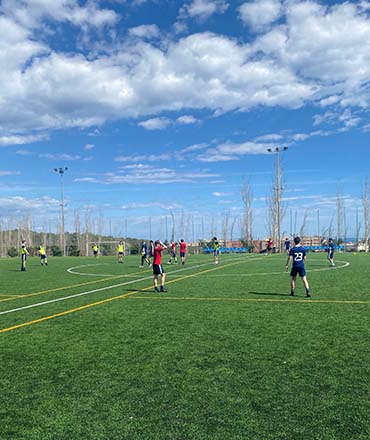
The area has municipal stadiums, club grounds and sports centres with natural grass and artificial pitches. Pescara, as a larger coastal city, adds more options, including venues with gyms and pools. Hill pitches in Chieti tend to be quieter and slightly cooler, while coastal venues are closer to hotels and the beach, so many teams use both during one week. Always ask for photos, pitch dimensions and the availability of floodlights. Compare offers using the checklist on our football camps page.
Planning the Week of Football Camps in Chieti
- Day 1: arrival and a short activation session.
- Day 2: technical work and possession games.
- Day 3: defensive principles and pressing.
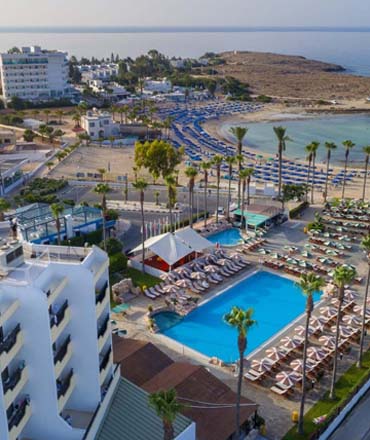
- Day 4: beach recovery and team activities in Pescara.
- Day 5: transitions and finishing.
- Day 6: friendly match against a local team.
- Day 7: light session and departure.
Beach sessions are a valuable variation. Sand training builds strength and balance with less impact on joints, and short games of beach football are a reward that players love. This variety supports the kind of rounded progress described in our article on why football camps are key for player development.
Keep beach work short and controlled. Twenty to thirty minutes of agility, jumps and small-sided games on soft sand is plenty, because the surface is far more demanding than grass. Run sessions early in the morning or late in the afternoon when the sand is cooler and the beach is quieter, and make sure players wear sunscreen and drink frequently. Many lidos along the Pescara coast rent out sections of beach to groups, which keeps the session organised and gives players access to showers afterwards. Finishing with a supervised swim turns the session into one of the highlights of the week.
Weather and Seasons
Late spring and early autumn are ideal, with temperatures of roughly 18 to 27 degrees. July and August are hot on the coast but slightly fresher in the hills, and sea breezes help. Summer storms can occur, so keep an indoor or artificial-turf backup. Winter is mild on the coast but can be cold in the hills. Easter is a popular period for northern European clubs, and the Adriatic is usually warm enough for a brave swim by late May. If you travel in high summer, plan the main session before 10:00 and the second after 17:30, keeping the hottest hours for lunch, rest and tactical meetings indoors.
Local Opponents and Football Culture for Football Camps in Chieti
Abruzzo has many amateur and youth clubs that welcome visiting teams. A local partner can arrange friendlies in Chieti, Pescara, Francavilla al Mare or Lanciano. Italian youth sides are tactically disciplined, which teaches visiting players a lot about shape and patience. Mixing players for a social game afterwards builds friendships across clubs.
Food and Accommodation
Abruzzese food is generous and suits athletes well: pasta alla chitarra, arrosticini lamb skewers, lentils from Santo Stefano, fresh fish on the coast and plenty of vegetables. Hotels range from city-centre options in Chieti to beach hotels in Pescara and Francavilla. Staying on the coast and travelling to training can work well if the transfer is under 30 minutes. Ask for an early breakfast on match day and pack recovery snacks such as bananas, sandwiches and water for the coach journey back.
Things to Do
Chieti’s old town features the Teatro Marrucino, Roman temples and the Archaeological Museum, home of the famous Warrior of Capestrano statue. Pescara has a long beach promenade, cycle paths and the Ponte del Mare bridge, which is perfect for a relaxed group bike ride. For older groups, a day trip into the Majella National Park offers hiking and mountain scenery, and the trabocchi fishing platforms along the southern coast make a striking stop.
Costs and Practical Information
Abruzzo is good value compared with better-known Italian regions. Packages combining accommodation, meals and pitch hire keep budgets predictable. Italy uses the euro, cards are widely accepted and pharmacies are easy to find. Remind players that shops may close for a long lunch break in smaller towns.
Group Management and Safety
Chieti and Pescara are generally safe, but beaches and city centres require supervision for younger players. Agree swimming rules, set meeting points and keep a staff member on duty in the evening. For a complete checklist, see our guide on how to plan group travel for sports teams.
Final Thoughts
Football camps in Chieti combine historic surroundings, solid facilities, Italian coaching culture and the Adriatic sea within a short drive. For clubs that want variety, value and a little beach time in their training week, Chieti is a destination worth adding to the shortlist.