
Football camps in Kalundborg give Scandinavian and northern European clubs something many sunny resorts cannot: a calm, compact town where a squad can focus completely on football. Kalundborg sits on a sheltered fjord on the west coast of Zealand, around an hour and a half from Copenhagen by train. It is a working harbour town rather than a tourist hotspot, which keeps costs reasonable and distractions few.
This guide looks at what the town offers a travelling team, when to go and how to organise the week so players get the most out of it.
Why Choose Football Camps in Kalundborg?
Denmark has a deep grassroots football culture. Almost every town has a club with several grass pitches, changing rooms and a clubhouse, and Kalundborg is no exception. Local clubs are used to hosting tournaments and visiting youth teams, so the infrastructure for a week-long stay already exists.
The biggest advantage is the summer climate. From June to August daytime temperatures are typically in the high teens or low twenties, which is ideal for double sessions. Long evenings mean light until late, so coaches can schedule a gentle recovery session after dinner without floodlights.
Getting There and Getting Around
Most groups fly into Copenhagen Airport. From there, regional trains run to Kalundborg station, normally with one change, and the journey takes roughly 90 minutes. A chartered coach is often easier for large squads with kit bags, and it can be booked for the whole week to cover training transfers.
Inside town, distances are short. Many clubs walk or cycle between accommodation and the pitch, which doubles as a light warm-up. Bike hire is common throughout Denmark and gives players a sense of independence.
Pitches and Training Facilities
Expect well-kept natural grass, often with an artificial pitch as backup for wet days. Facilities usually include changing rooms, a small gym or indoor hall and space for video sessions. If you need specific equipment such as mini-goals, speed ladders or GPS vests, confirm in advance rather than assuming it will be available.
Our main football camps page explains which facility features matter most when comparing destinations.
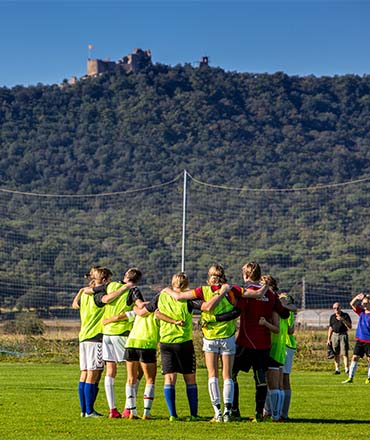
A Sample Week for Football Camps in Kalundborg
A typical six-day plan might look like this:
- Day 1: arrival, light session and team meeting.
- Days 2–3: two sessions per day on pressing, build-up play and set pieces.
- Day 4: recovery morning, sea swim or fjord walk, afternoon tactical game.
- Day 5: friendly match against a local club.
- Day 6: short session, review and departure.
The calm setting makes football camps in Kalundborg a good fit for younger squads. Players have time to rest, and coaches can track workload closely, which links to the wider benefits we describe in why football camps are key for player development.
Arranging Friendly Matches With Local Clubs
Match practice is one of the main reasons teams travel, and Denmark makes it easy. Clubs in West Zealand play in regional leagues during the spring and autumn, and many youth sections stay active through June. For football camps in Kalundborg, contact clubs in the town, Holbæk and Slagelse two to three months before arrival, explain the age group and level of your squad, and offer to cover referee costs. Danish coaches are typically direct and friendly, and English is widely spoken, so organising a fixture rarely needs an agent.
Try to arrange opponents of a similar standard. A match that is too one-sided teaches little, while a close game tests the ideas you have worked on during the week. If possible, play two shorter games against different sides rather than one long one, so that every player gets meaningful minutes.
Recovery, Nutrition and Player Welfare
A cooler climate makes it tempting to push volume, but players still need recovery. Build in at least one afternoon without football, encourage early nights and keep screens out of the dorms after a set time. Cold fjord water is excellent for a short recovery dip, though younger players should always swim under supervision and close to shore.
Hydration is easy to forget when the weather is mild. Give each player a named bottle, schedule water breaks every fifteen to twenty minutes, and offer fruit and simple snacks between sessions. Coaches who keep a short daily log of sleep, soreness and mood can adjust the next day’s training before small problems become injuries.
Accommodation and Food
Options range from hotels near the harbour to hostels, sports centres and school accommodation during the summer holidays. Teams on a budget often choose a sports-hall setup with shared dorms and a kitchen. Danish food is hearty and simple: rye bread, fish, potatoes and plenty of dairy. Arrange a fixed meal plan so that breakfast and dinner fit around training.
Things to Do Off the Pitch
Kalundborg’s best-known landmark is the medieval Church of Our Lady, with its distinctive five towers on the hill above the old town. The old quarter has cobbled streets that are pleasant for an evening walk. The fjord and nearby beaches are good for team swimming, kayaking or simply relaxing after a hard day.
For a half-day excursion, ferries from the harbour reach the island of Samsø, and Copenhagen is close enough for a final-day visit before the flight home.
Weather and the Best Time to Visit
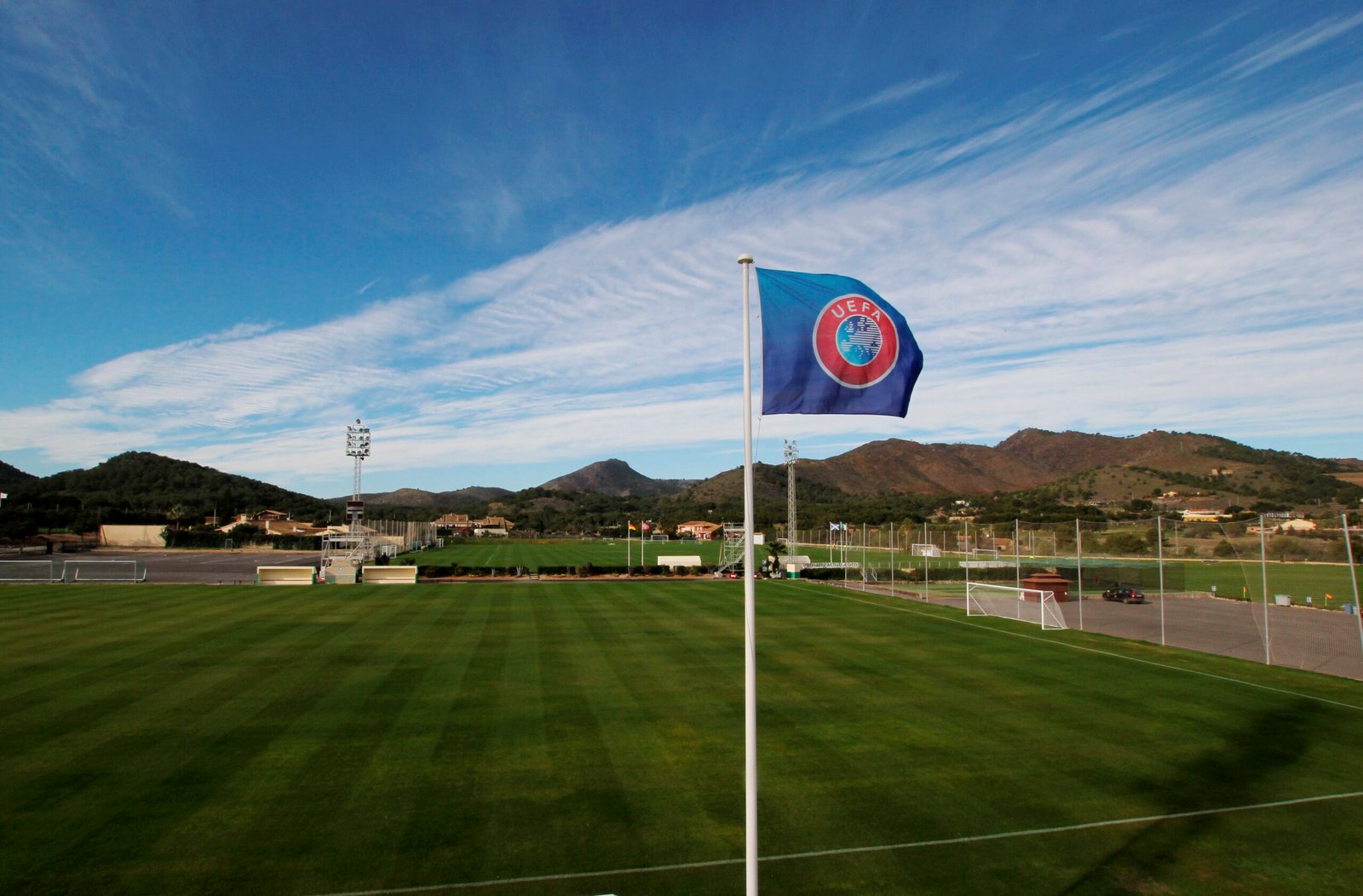
Late May to early September is the main window. Rain can arrive at any time of year, so pack waterproof training tops and plan one indoor alternative. Spring and autumn are cooler and quieter, which suits senior squads preparing for a new season but is less attractive for youth groups.
Budget and Practical Tips
Denmark is not a cheap country, but self-catering and local transport keep a trip manageable. Card payments are accepted almost everywhere, even for small amounts. Bring adaptors for Type C/K plugs and remind players that shops close earlier on Sundays.
Before departure, share a clear packing list and travel rules with parents. Our guide on how to plan group travel for sports teams covers rooming, insurance and supervision ratios.
Final Thoughts on Football Camps in Kalundborg
Kalundborg will not offer Mediterranean sunshine, but it offers excellent summer temperatures, quiet streets and a Danish club culture that welcomes visitors. For teams that want focus, good grass and a short trip from Copenhagen, it is a sensible and affordable choice.