
Football camps in Næstved appeal to clubs that want a real Danish football environment without the price tag of the capital. Næstved is the biggest town in South Zealand, roughly an hour south of Copenhagen by train, and its senior club, Næstved Boldklub, has spent many seasons in the top divisions of Danish football. That history means the town takes the game seriously, from youth academies to well-maintained grass pitches.
Below we cover the practical side of bringing a squad here: travel, training, food, excursions and how to structure the days.
What Makes Næstved a Good Football Destination
The town is large enough to offer several training venues, hotels and supermarkets, yet small enough that everything is within a short bus or bike ride. Clubs in the area run busy youth programmes, so there is usually a local opponent available for a friendly, and coaches can watch how Danish youth teams train.
A second strength is calm. Næstved is not a party resort, and evenings are quiet. For coaches responsible for teenagers, that is a genuine advantage.
Travel Options From Copenhagen
Copenhagen Airport has excellent connections from across Europe. Direct regional trains run from Copenhagen Central to Næstved several times an hour, and the journey is about an hour. Squads with lots of equipment may prefer a private coach, which also simplifies transfers to training. Within Denmark, train tickets for groups can be booked in advance at a reduced rate.
Training Facilities to Expect
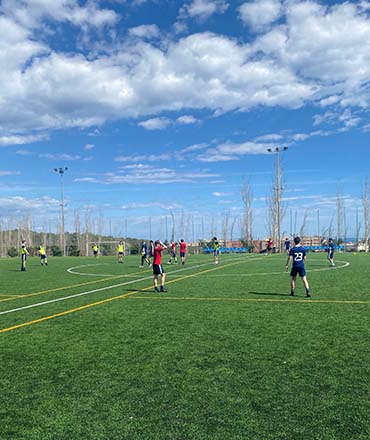
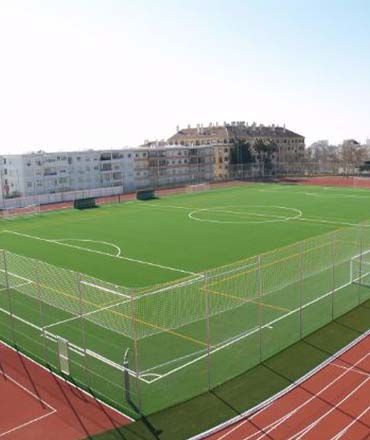
Facilities vary by club, but a typical setup includes two or three natural grass pitches, one artificial turf pitch, changing rooms with showers and a clubhouse for meetings. Several sports centres in the region also offer indoor halls, which are useful for futsal, strength work or a rainy-day backup.
When you compare offers, use the checklist on our football camps page: pitch quality, distance from the hotel, availability of goals and cones, and whether physio space is included.
Structuring Football Camps in Næstved
Because the climate is mild in summer, coaches can plan two quality sessions a day without worrying about heat. One approach is to give each day a theme:
- Monday: possession and positional play.
- Tuesday: transitions and counter-pressing.
- Wednesday: light day with an excursion.
- Thursday: finishing and set pieces.
- Friday: friendly match and video review.
Themed days help players understand the purpose of each drill, and they make it easier to measure progress by the end of the week. Our article on why football camps are key for player development explains why this concentrated learning works so well.
Playing a Local Friendly
Ask your contact to arrange a game against a Zealand club of a similar level. Danish opponents tend to be organised, physically fit and comfortable on the ball, which makes them a good test. Many clubs welcome an exchange: a match followed by a shared meal in the clubhouse. These social moments are often what players remember most about football camps in Næstved.
Coaching Staff and Ratios for Football Camps in Næstved
A good camp depends on the people running it as much as on the pitches. Plan for at least one coach per ten to twelve outfield players, plus a dedicated goalkeeper coach if you travel with three or more keepers. Assign one adult who does not coach as team manager: this person handles keys, meal times, transport and phone calls with parents, which frees the coaches to focus on football.
It also helps to hold a short staff meeting every evening. Review what worked, agree on adjustments for the next day and note any players who seem tired, homesick or carrying a knock. Small, early decisions protect the quality of the whole week.
Making the Most of Danish Club Culture
Danish clubs are run largely by volunteers, and they place strong emphasis on enjoyment, fair play and player involvement. Ask whether your squad can watch a local youth session or share a joint training with a host team. Players often learn as much from seeing a different coaching style as from their own drills, and coaches pick up ideas on session design and communication. Bringing a small gift, such as a club pennant or scarf, is a simple way to say thank you and builds relationships for future visits.
Where to Stay and Eat
Accommodation ranges from central hotels and a youth hostel to school buildings that open for groups in July. Half-board is common and practical. Supermarkets such as Netto, Føtex and Rema 1000 make it simple to buy snacks and fruit for training. A Danish lunch of open sandwiches, smørrebrød, is worth trying at least once.
Excursions and Team Activities
The countryside around Næstved is green and gentle. Canoeing on the Suså river is a classic team activity, combining fun with teamwork. Gavnø Castle, on a small island just south of town, has gardens and a park that suit a relaxed afternoon. Further afield, the white cliffs of Møns Klint are a memorable day trip for older squads, and Copenhagen with Tivoli Gardens is easy to visit on the travel day.
When to Book Football Camps in Næstved
June, July and August bring the most reliable weather, with temperatures usually between 18 and 24 degrees. Pre-season camps in late July are popular with Scandinavian clubs. Spring visits in April or May are possible, but players should pack warmer layers and expect wind.
Budget, Safety and Paperwork
Denmark is relatively expensive for restaurants, so many teams book half-board and self-cater lunches. The country is very safe, and public transport is reliable. Make sure every player has a European Health Insurance Card if eligible and that the group has travel insurance covering sports injuries.
Before you leave, run through our top 10 tips before going to a football camp with players and parents, so expectations on kit, behaviour and timings are clear.
Is Næstved Right for Your Squad?
If you are looking for sunshine and beaches, southern Europe will suit you better. If you want proper grass, motivated local opponents and a quiet base close to Copenhagen, football camps in Næstved deliver exactly that. The combination of serious football and gentle surroundings makes it especially attractive for youth teams on their first trip abroad.