
Football camps in Seville give teams the chance to train in the heart of Andalusia, in a city where football is part of everyday life. Seville is famous for its passionate supporters, its historic old town and its warm, sunny climate. For youth teams and club squads alike, it is a destination that combines quality training with a strong cultural experience.
In this guide, we cover how to get there, what a typical week looks like, when to travel and how to keep costs down, so you can plan a camp that your players will remember.
Why Choose Football camps in Seville?
Seville is one of the few cities in Europe with two major top-flight clubs, Sevilla FC and Real Betis. Their rivalry is one of the most intense in Spanish football, and the atmosphere around the city on match days is something special. As a result, players see first-hand how much the game means to local people.
In addition, the mild winters make Seville attractive when training at home is difficult. Football camps in Seville can therefore be a smart choice for pre-season preparation in late winter or early spring.
Getting to Seville
Seville has its own international airport, with connections to many European cities, and it is also linked to Madrid by high-speed train. From the airport, the city centre is a short coach ride away. For teams, a private transfer is usually the easiest option, because it keeps the group and the equipment together.

Structuring Your Days
A clear daily plan helps everyone. Players know what to expect, and coaches can focus on the content of each session. A typical day might include breakfast, a morning session, lunch, rest, an afternoon session and an evening team activity.
- Morning: Technical work and small-sided games
- Midday: Lunch, rest and recovery
- Afternoon: Tactical work, set pieces or a match
- Evening: Dinner, a short meeting and free time
Across the week, it is wise to add one lighter day. As a result, players stay fresh, and the friendly match at the end of the camp shows the real progress the team has made.
Football Culture and Matches in Seville
Football is woven into the identity of Seville. The two big clubs have loyal fan bases, and the derby between them divides families and neighbourhoods. If the fixture list allows, watching a league match is a highlight of any trip. Stadium tours are also popular with players.
Beyond the professional game, the city and the surrounding province have many grassroots clubs. Organisers can often arrange friendly matches against local teams, which gives players valuable experience of the Spanish style of play.
Choosing Pitches and a Place to Stay
The best camps keep logistics simple. Ideally, the team stays close to the training ground, so players do not waste energy on long bus rides. Before booking, ask your organiser whether the pitches are natural grass or artificial turf, and whether changing rooms and showers are available.
Meals are just as important. Check that breakfast is early enough for morning sessions and that dinner offers balanced, filling options. Finally, a quiet place for team meetings makes it easier to review sessions and prepare for matches.
Things to Do in Seville
Seville has one of the largest historic centres in Europe. The cathedral and its Giralda tower, the Real Alcázar palace and the Plaza de España are among the best-known sights. A walk along the Guadalquivir river or through the Santa Cruz quarter is a relaxing activity after a hard training day.
Furthermore, the city is known for its food culture. A team dinner with Andalusian dishes can become one of the most memorable evenings of the trip.
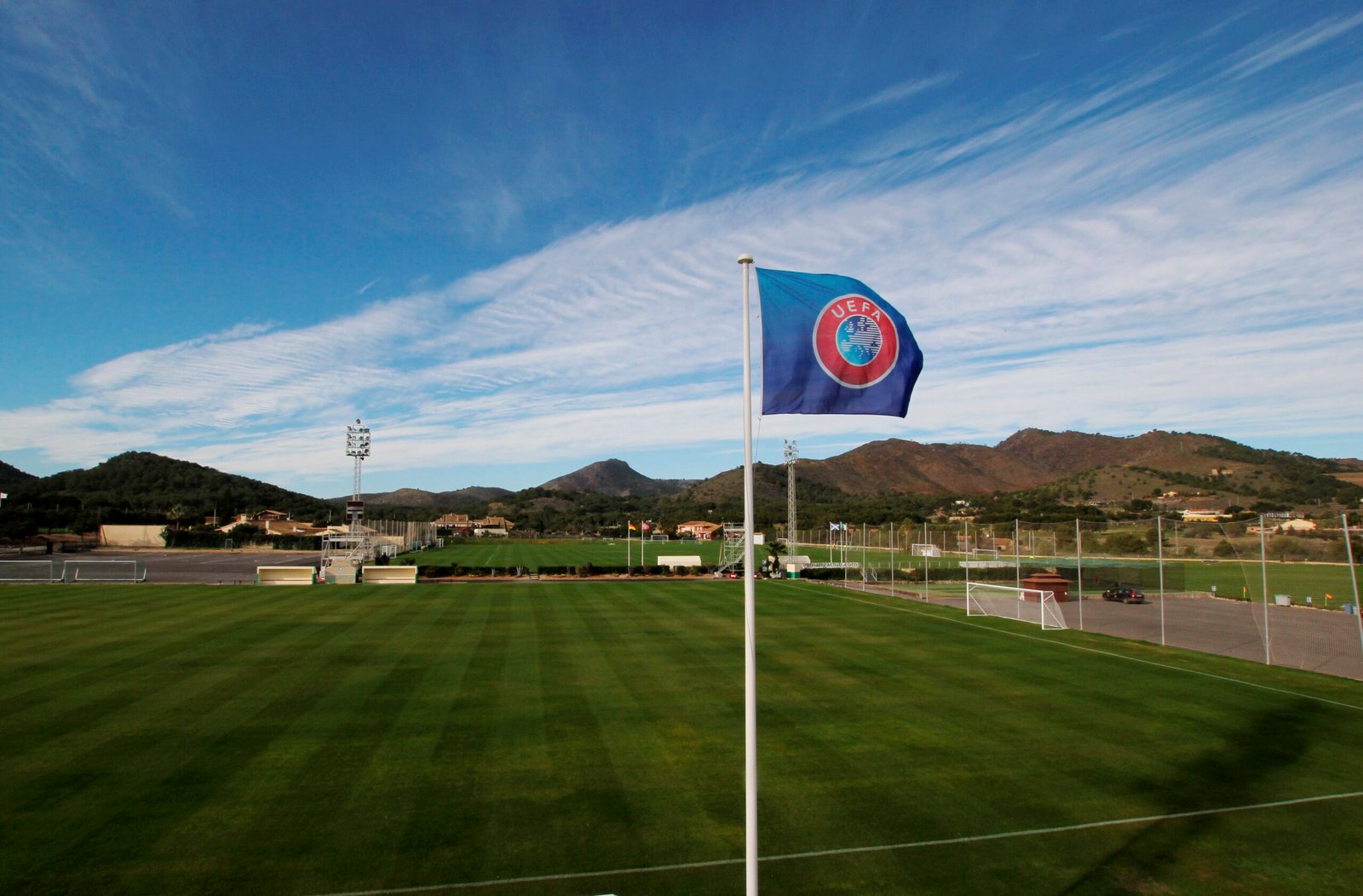
The Best Time for Football camps in Seville
Seville is one of the hottest cities in Europe in summer, so July and August are not ideal for intensive training. Instead, most teams choose the period from February to May or from October to November. During these months, temperatures are usually pleasant and suitable for two sessions per day.
If you do travel in warmer weeks, schedule sessions early in the morning and in the evening, and make sure players drink enough water throughout the day.
Keeping the Budget Under Control
A training camp abroad is an investment, but there are many ways to reduce the cost per player:
- Book flights early and avoid peak holiday weeks when possible
- Choose a package that includes accommodation, pitches and transfers
- Share rooms and plan some free activities
- Start fundraising at home several months before departure
It also helps to set a clear budget from the start and share it with parents, so there are no surprises later.
Looking After Players Abroad
A well-run camp takes care of the whole player, not only the footballer. Plan enough sleep, regular meals and plenty of water, especially in warm weather. Furthermore, a staff member with first-aid training should always travel with the group.
Before leaving, collect medical information and emergency contacts for every player, and check that travel insurance covers sports injuries. During the week, simple routines such as group meeting points and agreed curfews keep everyone safe and make the experience calmer for parents back home.
Before You Travel
Good communication with families avoids last-minute stress. Send out the programme, the costs, the travel times and a packing list well in advance. It is also a good idea to organise a short parents’ meeting where questions can be answered.
On the football side, set two or three clear goals for the week, such as a new pressing structure, better finishing or stronger team spirit. Players who understand the purpose of the camp tend to train with more focus and enthusiasm.
Useful Guides for Your Trip
If you are still comparing destinations, our overview of our football camps is a good place to start. For practical advice on logistics, read our guide to why football camps matter for player development. You can also browse our Marbella travel guide for the nearby coast for more inspiration.
Final Thoughts on Football camps in Seville
Football camps in Seville offer warm weather, a passionate football culture and a beautiful historic city. With the right season and a balanced programme, your team can return home fitter, sharper and closer together. Start planning early, and you will be ready to make the most of Andalusia’s football capital.