
Croatia, a country of fewer than four million people, has reached a World Cup final and produced Ballon d’Or winner Luka Modrić. Much of that talent was developed in and around the capital. Football camps in Zagreb give visiting clubs a chance to train where Croatian football’s famous technical style is nurtured, at prices well below Western European capitals.
Zagreb is a lively, green city in the north of Croatia, about two hours from the Adriatic coast. It has a historic Upper Town, an elegant Lower Town with parks and squares, and a population that is passionate about sport.
The Croatian Way of Developing Players
Croatian coaching places heavy emphasis on technique, close control and creativity, combined with mental toughness. Youth players spend a lot of time with the ball, often in small spaces, and are encouraged to express themselves. Dinamo Zagreb’s academy is one of the most productive in Europe, selling players to top leagues every year.
Visiting coaches can learn a great deal by watching local youth sessions and by playing friendlies against Croatian teams, which are usually technically sharp and competitive.
Getting to Zagreb
Zagreb Franjo Tuđman Airport is about 20 minutes from the centre, with connections to many European cities. Trains and buses link Zagreb with Ljubljana, Vienna and Budapest, which is useful for clubs travelling overland. Within the city, trams and buses cover most areas, but a private coach is recommended for training transfers with equipment.
Facilities for Football Camps in Zagreb
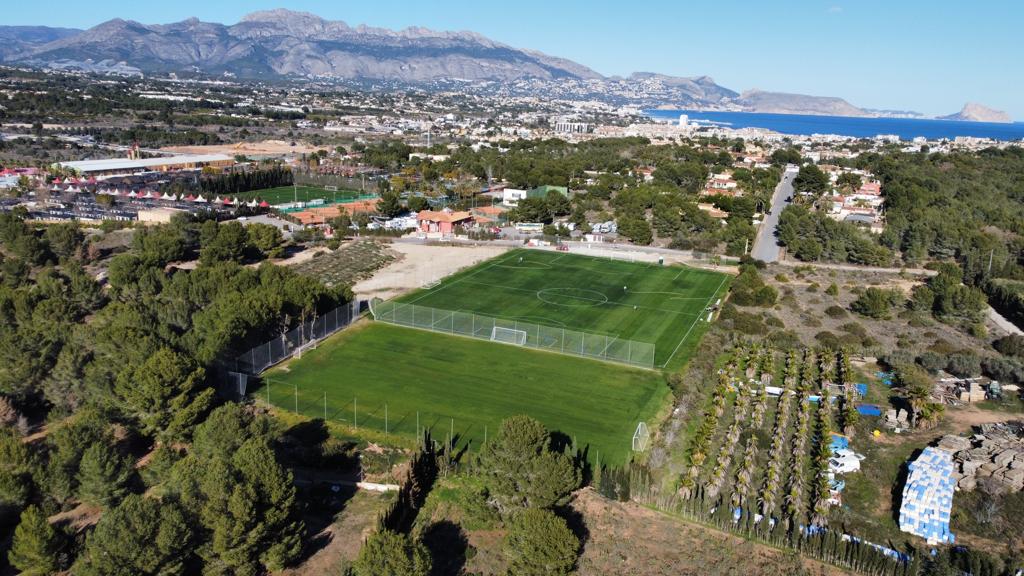
The city has many club grounds, municipal sports centres and private complexes with grass and artificial pitches. Some offer gyms, swimming pools and accommodation on site. Costs are moderate, and availability is generally good outside the busy league periods. Ask about pitch dimensions, floodlights and changing rooms, and confirm everything in writing.
Seasons and Climate for Football Camps in Zagreb
Zagreb has a continental climate. Summers are warm to hot, often reaching 30 degrees in July and August, while winters are cold with occasional snow. Spring, from April to early June, and early autumn, in September, are ideal for football camps in Zagreb, with pleasant temperatures and good pitch conditions. In midsummer, schedule sessions early in the morning and late in the afternoon.
Learning Croatian Technique at Football Camps in Zagreb
Many visiting coaches come to Zagreb specifically to study how Croatian players develop such good technique. A useful approach is to devote part of each day to ball mastery: dribbling patterns, close control in tight spaces, receiving on the half-turn and one-touch passing. Croatian coaches often use small grids and high repetition with constant feedback, so each player gets hundreds of touches per session.
If possible, invite a local coach to lead one or two sessions. Even with language differences, demonstrations and simple instructions work well, and players love hearing a different voice. Coaches can observe how sessions are organised, how mistakes are corrected and how creativity is encouraged rather than restricted.
Ask your hosts whether your group can watch a youth session at a local academy. Seeing twelve-year-olds play with such confidence on the ball is inspiring, and it gives your own players a clear picture of the standard they can aim for.
Recovery and Wellbeing
Croatian summers can be warm, so recovery matters. Plan shaded drinks breaks, enough sleep and one lighter day mid-week. Swimming at Lake Jarun or in a hotel pool is an easy recovery activity, and stretching sessions in Maksimir Park make a pleasant change of scene.
Sample Programme
- Day 1: arrival and light technical session.
- Day 2: rondos, possession and positional play.
- Day 3: friendly match against a Croatian youth team.
- Day 4: excursion to Plitvice Lakes or the Upper Town.
- Day 5: pressing and transition games.
- Day 6: finishing, set pieces and final friendly.
- Day 7: departure.
Linking Up With Other Croatian Destinations
Many clubs combine Zagreb with time elsewhere in Croatia. Bjelovar and Đakovo are quieter, cheaper inland options, described in our guides to football camps in Bjelovar and football camps in Đakovo. The coast is also within reach for a final beach day.
Food and Accommodation
Zagreb offers a good range of hotels, hostels and apartments at reasonable prices. Croatian food is hearty: grilled meats, štrukli cheese pastries, stews, fresh vegetables and excellent bread. Ask hotels to provide athlete-friendly menus with pasta, rice and lean protein. Cafés are an essential part of local life, and an evening on a terrace in the city centre is a lovely way to relax.
Exploring the City
The Upper Town, with St Mark’s Church and its colourful tiled roof, the Lotrščak Tower and the Stone Gate, is easily explored on foot. The funicular, one of the shortest in the world, is a fun ride. Maksimir Park, next to Dinamo’s stadium, is perfect for recovery walks. Lake Jarun, in the south-west of the city, offers swimming, rowing and open space. For a full-day trip, Plitvice Lakes National Park is about two hours away, with turquoise lakes and waterfalls linked by wooden walkways. Start early to avoid crowds and bring good walking shoes. A shorter alternative is Medvednica, the mountain on the city’s northern edge, where forest trails provide a peaceful setting for an easy group hike and fresh air after intensive sessions. Back in the centre, the Museum of Broken Relationships is a quirky, memorable visit for older players.
Team Leadership Away From Home
A week abroad tests both players and coaches. Leaders emerge, routines are challenged and small conflicts can arise. Clear roles, honest communication and consistent standards help the group stay united. Our article on top leadership qualities for football coaches offers guidance for staff.
Costs for Football Camps in Zagreb
Zagreb is good value compared with Western European capitals. Pitch hire, accommodation and meals are affordable, and public transport is cheap. Croatia uses the euro and is part of the Schengen area, which simplifies travel for many visitors.
Final Thoughts
Football camps in Zagreb combine Croatian football expertise, good-value facilities and a lively, cultured city. For clubs seeking technical development and a memorable trip, Zagreb is an excellent choice.