
Football camps in Madrid combine serious training with one of the most exciting football cultures in the world. The Spanish capital is home to some of Europe’s most famous clubs, and the whole city breathes the game. For youth teams and adult club squads, a week here can be both a training camp and an unforgettable football experience.
In this travel guide, we explain how to plan the trip, what a typical camp week looks like, and how to balance training, matches and sightseeing. We also share practical tips on transport, budgeting and timing, so you can focus on football once you arrive.
Why Choose Football Camps in Madrid?
First of all, Madrid is easy to reach. The city’s main airport has direct flights from most European capitals, and the high-speed rail network connects Madrid with the rest of Spain. As a result, travel days are short, and teams can often train on the evening they arrive.
Secondly, football is everywhere. Real Madrid and Atlético de Madrid are two of the best-known clubs in Europe, and the city also has several other professional and semi-professional teams. Because of this, players can watch high-level football, visit legendary stadiums and feel the atmosphere of a true football capital.
Furthermore, Madrid has a large grassroots scene. There are many local clubs and academies, which makes it possible to arrange friendly matches against Spanish opponents. Playing against teams with a different style is one of the best learning experiences a young player can have.
When to Travel to Madrid
Madrid has a continental climate. Summers are hot and dry, while winters can be cold, especially in the mornings and evenings. For most teams, spring and autumn are the best seasons for a training camp. Temperatures are mild, the light is good, and pitches are usually in fine condition.
In summer, it is still possible to train, but sessions should be planned early in the morning and in the evening. In addition, players need plenty of water and shade during the hottest hours. In winter, the dry weather often makes training possible, but it is wise to bring warm layers.
What a Typical Camp Week Looks Like
Most football camps follow a simple and effective rhythm. Usually, there are one or two training sessions per day, with time for recovery, meals and team activities in between. A friendly match is often arranged in the middle or towards the end of the week.
- Day 1: Arrival, check-in and a light session to shake off the journey
- Days 2-3: Two sessions per day focused on technique, tactics and fitness
- Day 4: Stadium visit, sightseeing and a recovery afternoon
- Day 5: Friendly match against a local team
- Day 6: Final sessions, team evaluation and a team dinner
- Day 7: Departure
Of course, every club can adapt the programme. Younger players may need more free time and shorter sessions, while senior squads might want a tougher training load.

Training and Matches During Football Camps in Madrid
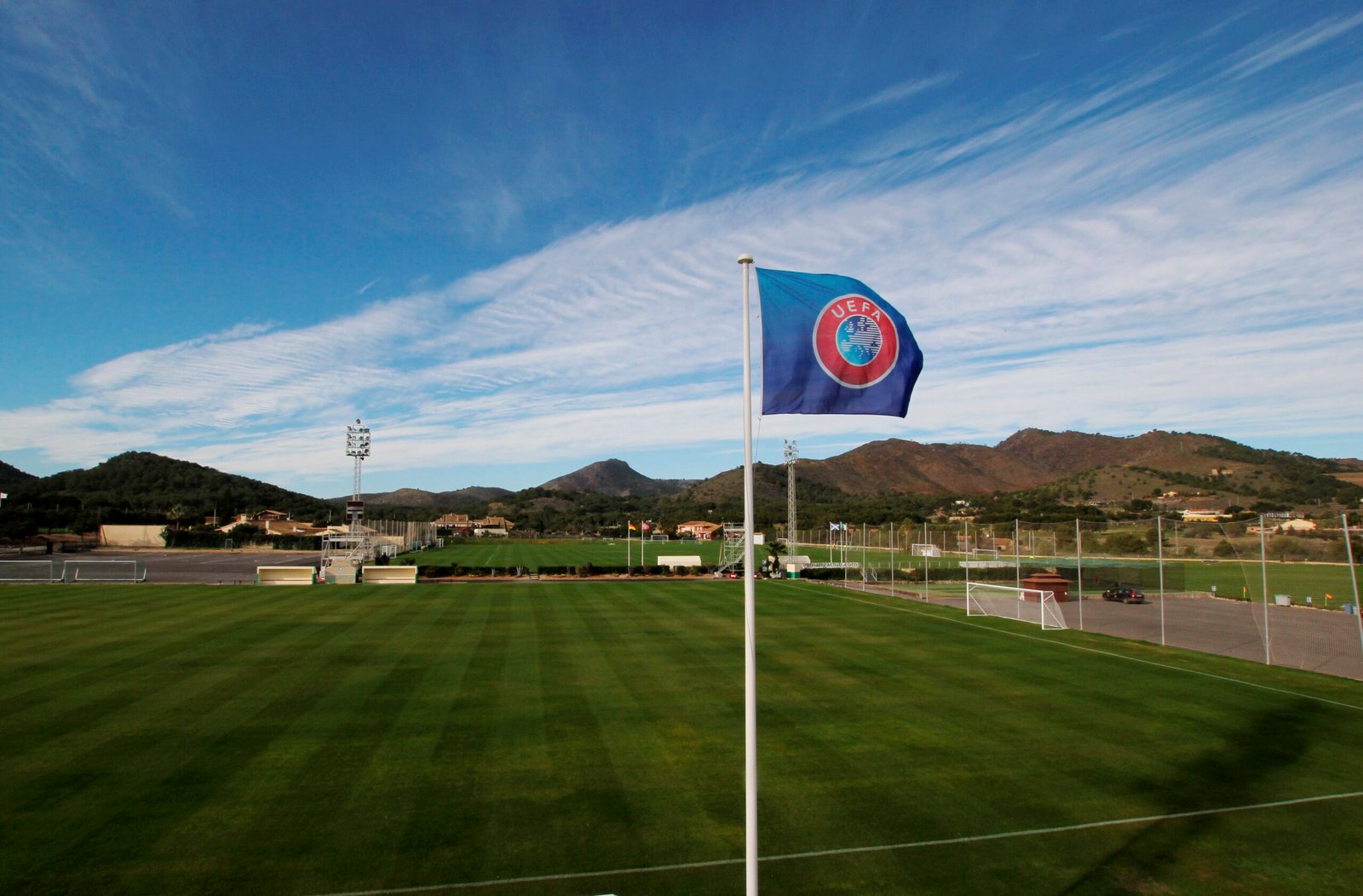
The quality of the pitches is one of the most important parts of any camp. When you plan football camps in Madrid, ask your organiser about the type of surface, the size of the pitches and the distance from your accommodation. Natural grass and modern artificial turf are both common, and each has advantages depending on the season.
In addition, think about what you want to achieve. Some coaches use the camp to introduce a new playing system. Others focus on individual skills, set pieces or team spirit. A clear plan helps you get the most out of every session.
Friendly matches are another highlight. Playing against Spanish teams exposes your players to a possession-based style that is common in Spanish youth football. Afterwards, players often say these games taught them as much as the training itself.
Stadium Visits and Football Culture
No trip to the Spanish capital is complete without visiting a stadium. Tours of the big club stadiums are popular with players of all ages, and they usually include the museum, the stands and sometimes the dressing rooms. If the fixture list allows, watching a live match is an experience that players remember for years.
However, tickets for big matches can sell out quickly, so it is best to plan ahead. Your organiser can often help you find suitable fixtures during your travel dates.
Getting Around the City
Madrid has an efficient metro and bus network. For a team with luggage and equipment, however, a private coach is usually the most practical option. Many camp packages include transfers between the airport, the hotel and the training ground.
If you plan to explore the centre, the metro is fast and affordable. Group tickets and travel cards can reduce costs. Nevertheless, always keep the group together and agree on a meeting point in case someone gets lost.
Accommodation and Meals
Teams usually stay in hotels or sports residences with easy access to the training facilities. When you compare options, look at meal times, room sizes and whether there is a meeting room for video sessions and team talks.
Food is an important part of performance. Spanish meal times are later than in northern Europe, so it is worth checking that the hotel can serve breakfast, lunch and dinner at times that suit your training schedule. Furthermore, ask about balanced menus with enough carbohydrates and protein for active players.
Budget Tips for Football Camps in Madrid
A capital city is not always the cheapest destination, but there are many ways to keep costs under control. Here are some ideas:
- Book flights early and travel outside school holiday peaks when possible
- Choose a package that includes accommodation, pitches and transfers
- Stay slightly outside the centre, where hotels are often cheaper
- Plan a few free activities, such as walks in the city’s large parks
- Use fundraising events at home to reduce the cost for each player
If your budget is tight, you can also compare Madrid with coastal destinations. Read our guide on how to book an affordable football trip for more practical ideas.
Sightseeing and Team Activities
Training camps are also about building a team. Madrid offers plenty of activities that bring players together. The Royal Palace, the Plaza Mayor and the Retiro Park are all popular, and a walk through the historic centre is a good way to relax after a hard session.
In addition, team dinners, quizzes and short meetings in the evening help players bond. Many coaches say that the social side of the camp is just as valuable as the training.
How to Plan Your Trip
Good planning makes everything easier. Start by setting a clear goal for the camp, and then choose dates, a budget and the type of programme you want. After that, contact an organiser who knows the city and can handle pitches, accommodation and matches for you.
It is also important to involve parents early, especially for youth teams. Share the programme, the budget and the safety plan well in advance. As a result, everyone knows what to expect, and the trip runs smoothly. Our guide to planning group travel for sports teams explains each step in detail.
Conclusion
Football camps in Madrid give teams a rare mix of quality training, strong opponents and an inspiring football culture. With good planning, the right season and a balanced programme, your players will return home better, more motivated and closer as a team. If you are comparing destinations, take a look at our overview of football camps in Europe and start planning your next trip today.