
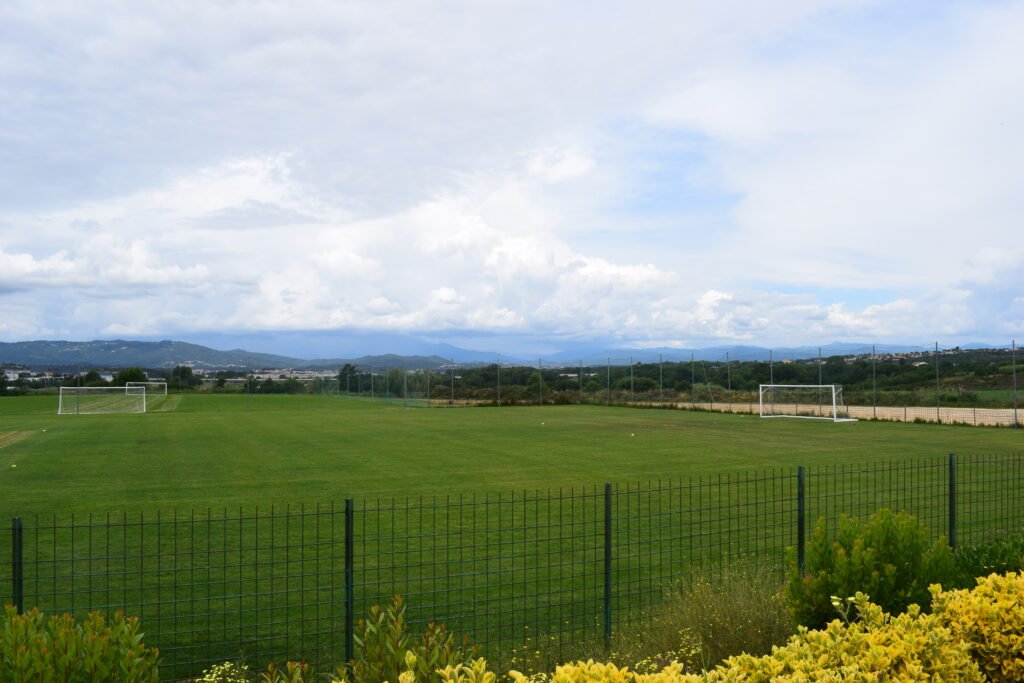
Portugal has produced some of the best footballers in the world, and much of that talent was shaped in and around its capital. Football camps in Lisbon let clubs train in a mild Atlantic climate, close to the academies of Benfica and Sporting CP, in a city full of hills, trams, viewpoints and beaches. It is an easy destination to reach, comfortable for most of the year and rich in experiences away from the pitch.
In this guide we look at the practical side: how to get there, where to base the team, when to travel and how to plan a balanced week.
Lisbon in Brief
- Airport: Humberto Delgado, only a few kilometres from the centre and linked by metro.
- Climate: mild winters around 15 degrees by day and warm, breezy summers.
- Big clubs: Benfica at the Estádio da Luz and Sporting CP at the Estádio José Alvalade.
- Nearby: Cascais, Estoril, Sintra and the Costa da Caparica beaches.
Why Football Camps in Lisbon Work So Well
The first reason is the football culture. Sporting’s academy at Alcochete helped develop players such as Luís Figo and Cristiano Ronaldo, and Benfica’s training campus at Seixal is famous for producing international players year after year. Portuguese coaching places great weight on technique, decision-making and small-sided games, which suits youth teams in particular.
The second reason is the climate. Lisbon rarely gets very cold, so winter and early spring camps are realistic, and the Atlantic breeze keeps early summer more comfortable than in southern Spain.
The third reason is convenience. Short transfers from the airport mean a team can land in the morning and train the same afternoon.
Picking a Base Around the City
Central Lisbon is beautiful but has few training pitches and steep streets. Many clubs prefer the coastal towns to the west, such as Oeiras, Cascais and Estoril, or the south bank across the Tagus, where sports complexes and hotels are closer together. Wherever you stay, check the pitch surface, the number of sessions included, changing rooms and the transfer time. Twenty minutes or less is a good target.
It is also worth asking whether the venue has a gym, a recovery pool or a meeting room for video analysis. Many coaches running football camps in Lisbon hold a short evening review each day, and a quiet room with a screen makes that much easier. Finally, confirm how many teams will share the complex during your week, because a crowded venue can limit pitch time and the choice of session slots.
For a broader comparison of regions, from the Algarve to the north, read our complete guide to football training camps in Portugal.
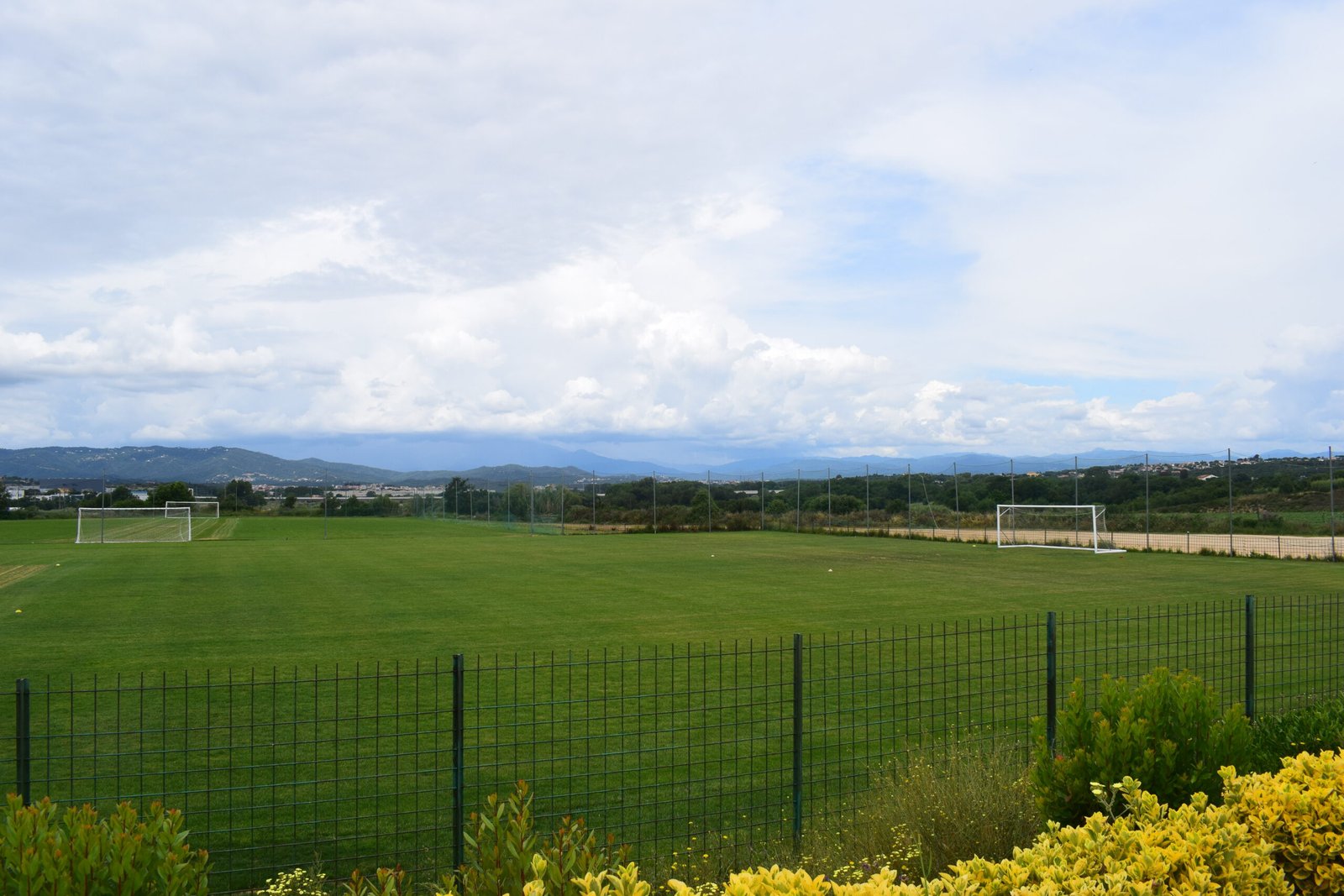
Seasons for Football Camps in Lisbon
- February and March: mild, fresh and ideal for pre-season work before spring leagues restart.
- April and May: probably the best window, with warm days, green pitches and many local teams to play.
- June: long days and pleasant heat for youth camps.
- July and August: warm and busy with tourists, so book early and train in the mornings and evenings.
- October and November: comfortable temperatures, with occasional rain showers.
A Day-by-Day Approach
Days one and two
Arrive, settle in and run short sessions focused on rhythm, rondos and passing patterns, giving legs time to adapt after travel.
Days three and four
Increase the load with two sessions a day: pressing, transitions and finishing in the morning, set pieces and tactical games in the afternoon.
Day five
A friendly against a Portuguese club. Local youth teams are usually quick and technically confident, which is a valuable test.
Days six and seven
A light session, a team review, a visit into the city and the trip home.
Matches and Stadium Visits on Football Camps in Lisbon
Watching a Primeira Liga match at the Estádio da Luz or Alvalade is a memorable experience, and both clubs offer stadium tours and museums. Check the fixture list early, since kick-off times are often confirmed only a few weeks ahead. Friendlies with local clubs can be arranged through your organiser; agree on the format, the length of halves and the referee before travelling.
Exploring Lisbon on Rest Days
Tram 28 climbs through the old Alfama district past the cathedral and up to São Jorge Castle, with fine views over the Tagus. In Belém you will find the Jerónimos Monastery, the Belém Tower and the bakery that made pastéis de nata famous. Sintra, with its palaces in the hills, is about 40 minutes away by train, and the beaches at Carcavelos or Costa da Caparica are perfect for an easy recovery afternoon in warmer months.
Food is another highlight. Grilled fish, chicken, rice dishes, soups and fresh fruit are everyday staples, which makes it straightforward to keep players well fuelled. Portuguese dinners can start late, so agree team meal times with the hotel in advance and ask for a simple pre-match menu with pasta, rice and lean protein the evening before the friendly.

Costs and Planning for Football Camps in Lisbon
Lisbon is generally cheaper than many western European capitals, although hotel prices rise in summer. Book flights early, avoid Portuguese holiday weeks where possible and compare full packages with pitches, meals and transfers included. Set a clear budget, share it with parents and plan fundraising well before departure.
Keeping the Squad Together
A city break with a team brings small challenges: tired players, homesickness, disagreements over playing time. Daily check-ins, clear roles among staff and honest communication help. Our article on managing conflict within a football team gives coaches practical tools for keeping the group positive.
Safety basics still apply: collect medical details, bring a first-aid kit, confirm insurance that covers football and agree meeting points whenever the group moves through the city. Lisbon is a hilly city with cobbled pavements, so make sure players wear sensible shoes on sightseeing days and keep those walks short before important sessions. Sun protection and water bottles are needed even in spring, when the breeze can hide how strong the sun really is.
If You Want to Compare
Portugal has other excellent bases. For a quieter university town with a slower pace, see our guide to football camps in Coimbra, about two hours north of Lisbon by train.
Final Thoughts
Football camps in Lisbon combine Portuguese coaching ideas, reliable weather and a capital that players love to explore. With a well-chosen base outside the centre and a sensible weekly rhythm, the trip can develop both footballers and team spirit.