
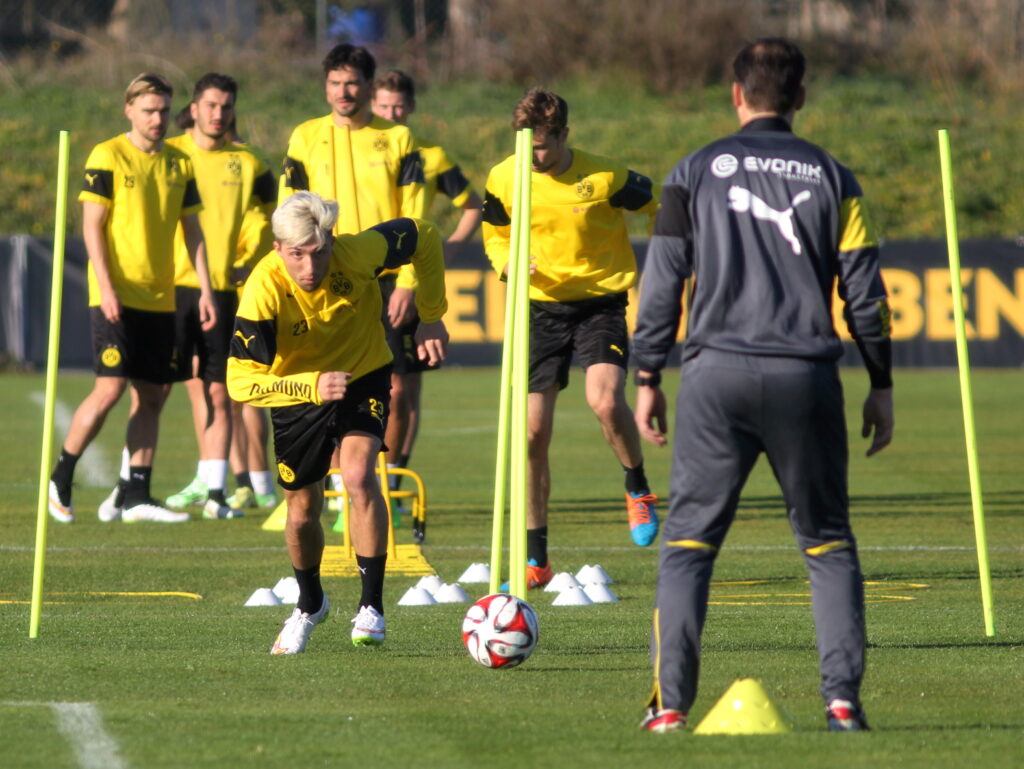
Football camps in Aalborg combine Danish club organisation with the energy of a student city. Aalborg is the largest city in North Jutland, set on the southern shore of the Limfjord, a long waterway that cuts across northern Denmark. It is home to Aalborg University, a busy harbourfront, and AaB, a club that has won the Danish championship several times and played in the UEFA Champions League.
For clubs from Scandinavia, Germany, the UK and beyond, Aalborg offers quick access, solid facilities and a relaxed, friendly atmosphere.
Aalborg in Brief
- Airport: Aalborg Airport, around 15 minutes from the centre, with domestic and international routes.
- Rail: direct trains to Aarhus and Copenhagen.
- Climate: cool summers, usually 17 to 23 degrees.
- Football: a professional club, many amateur clubs and a strong youth culture.
Why Choose Football Camps in Aalborg?
Denmark’s club system is based on volunteers, community and quality facilities. Most clubs have several pitches, clubhouses and well-organised youth sections. Aalborg’s size means there are many venues to choose from, and local teams are open to friendlies with visiting squads. The city also has a reputation for being lively and welcoming, with a waterfront that has been transformed into parks, cultural venues and promenades.
Getting There and Around
Flights into Aalborg Airport save time compared with travelling via Copenhagen. Alternatively, Billund Airport is about two hours away by road. Within the city, buses are frequent, and cycling is easy on flat routes. A coach for training transfers is useful if pitches are spread out.
Facilities for Football Camps in Aalborg
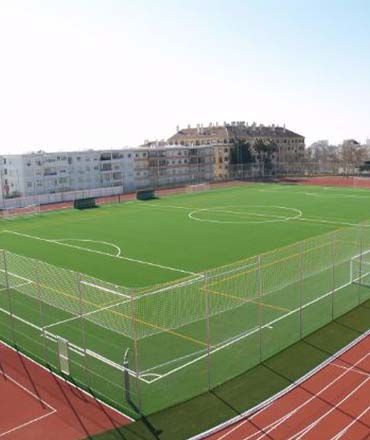
Expect a mix of grass and artificial pitches at amateur clubs and municipal sports parks. Danish clubs maintain their pitches carefully, and many have invested in modern artificial surfaces that drain quickly after rain, which is a real advantage in a coastal climate where showers come and go through the day. Some venues include indoor halls, fitness rooms and meeting spaces. Ask about pitch availability in the summer holidays, when local clubs are often quieter, and confirm whether equipment such as goals, cones and bibs is provided.
If you are looking at Danish options, compare Aalborg with our guide to football camps in Næstved, a smaller base in South Zealand.

Structuring the Week
Days one and two: foundations
Start with technical work: passing, receiving, first touch and possession games. Use the cool climate to train with intensity from the start.
Days three and four: tactics and recovery
Introduce pressing, defensive shape and attacking patterns. On day four, include a recovery activity such as a walk along the Limfjord or a visit to the harbour baths.
Days five and six: competition
Play a friendly against a local club and finish with conditioned games and a review session.
Dealing With Team Dynamics
Being together all week brings players closer but can also cause friction. Clear rules, shared responsibilities and honest conversations help keep the group united. Our article on managing conflict within a football team offers useful strategies for coaches.
Developing Players at Football Camps in Aalborg
A week in Aalborg is a chance to focus on individual growth as well as team performance. Before travelling, ask each player to set one personal goal, such as improving their weaker foot, scanning before receiving or communicating more in defence. Coaches can then give short, targeted feedback during sessions and hold brief one-to-one chats during rest periods. At the end of the camp, players reflect on what changed. Our article on why football camps are key for player development explains why this concentrated attention makes such a difference.
Danish coaching culture also emphasises player involvement. Invite players to design a warm-up, choose a small-sided game or lead the post-session stretch. Responsibility builds confidence and makes the camp feel like their own, which often carries over into the rest of the season.
Weather and Timing
Aalborg’s summers are cool and bright, with long evenings. Rain and wind are common, so pack waterproof clothing. June to August is the most popular period, while May and September can also work for senior teams. Winter is cold and dark, but indoor halls and artificial pitches allow training year-round.
Food and Accommodation
Aalborg offers hotels, hostels and group accommodation, some near the waterfront. Danish breakfasts include bread, cheese, eggs and yoghurt, while lunches often feature open sandwiches. Ask for hot dinners with pasta, potatoes, rice and vegetables. Jomfru Ane Gade, the city’s famous street of bars and restaurants, is busy at night, so plan supervision accordingly for youth groups.
Excursions in North Jutland
The Lindholm Høje Viking burial site, just north of the Limfjord, has hundreds of stone settings and a museum. The Utzon Center on the waterfront celebrates the architect of the Sydney Opera House, who grew up in Aalborg. Further afield, Skagen at Denmark’s northern tip, where two seas meet, is a memorable day trip. The wide beaches of the North Jutland coast are perfect for recovery sessions. Fårup Sommerland, a large amusement park with water rides, is a popular reward day for younger squads, about 45 minutes away by coach. Back in the city, the harbour baths on the Limfjord offer supervised swimming in summer and are just a short walk from the centre.
Costs and Practical Tips for Football Camps in Aalborg
Denmark is relatively expensive, but Aalborg is generally cheaper than Copenhagen. Group accommodation and self-catering lunches help control costs. Card payments are standard, and the MobilePay app is widely used, though visitors can always pay by card. Bring adaptors and remember that some shops close earlier on Sundays. A good way to save money is to choose accommodation with a shared kitchen, so that breakfasts and simple lunches can be prepared by the group, with one restaurant dinner as a highlight of the week. Agree a clear pocket-money limit for younger players before departure so that parents know what to expect.
Final Thoughts
Football camps in Aalborg offer a strong football culture, easy airport access, quality facilities and plenty to see and do. It is an excellent destination for clubs looking for focused summer training in Scandinavia.