
This Barcelona travel guide covers the highlights of one of Europe’s most exciting cities. Barcelona has it all: world-famous architecture by Antoni Gaudí, a medieval old town, city beaches, superb food, a passionate football culture and the legacy of the 1992 Olympic Games. It is a fantastic destination for city breaks, family holidays, school trips and sports groups.
The capital of Catalonia sits on the Mediterranean coast between the mountains of Collserola and the sea. It is easy to reach, easy to get around and full of things to do. Before you go, you can plan your trip with Jettripper and compare flights and hotels.
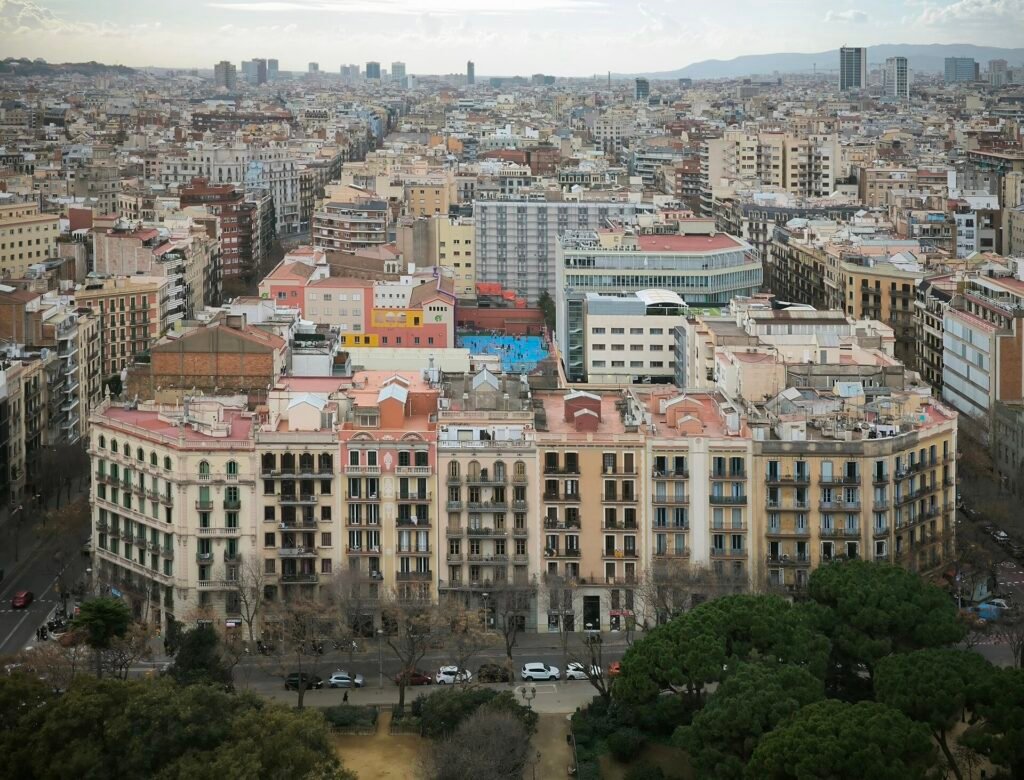

Why visit Barcelona?
Few cities combine culture, beach life and sport as well as Barcelona. You can visit a UNESCO-listed building in the morning, swim in the sea in the afternoon and watch football in the evening. The city has a mild Mediterranean climate, an efficient metro and a huge range of accommodation.
Getting to Barcelona
By air
Barcelona-El Prat Airport is one of the largest in Europe, with flights from all over the world. The city centre is reachable by Aerobús, train, metro line L9 Sud or taxi.
By train
High-speed trains connect Barcelona with Madrid, other Spanish cities and France. Sants is the main station.
Getting around
The metro, buses and trams cover the whole city. Walking is a great way to explore the old town and the Eixample district. Bike lanes are common, and many visitors use multi-trip transport tickets.
Neighbourhoods of Barcelona
Gothic Quarter (Barri Gòtic)
The historic heart of the city, with narrow streets, hidden squares and Barcelona Cathedral.
El Born
A trendy district with boutiques, bars and the beautiful Santa Maria del Mar basilica. The Picasso Museum is here too.
Eixample
The grid-patterned district built in the 19th century, home to Gaudí’s Casa Batlló and Casa Milà (La Pedrera) along Passeig de Gràcia.
Gràcia
A village-like neighbourhood with lively squares and local atmosphere.
Barceloneta
The old fishermen’s quarter by the sea, known for seafood restaurants and the city’s most famous beach.
Montjuïc
A hill overlooking the port, with gardens, museums and the Olympic Ring.
Top things to do in Barcelona
Sagrada Família
Gaudí’s unfinished masterpiece is the city’s most famous landmark. Construction began in 1882 and is still ongoing. Book tickets in advance, as it is very popular.
Park Güell
This colourful park, designed by Gaudí, offers mosaics, unique architecture and views over the city. Access to the monumental area requires a ticket.
La Rambla and La Boqueria
La Rambla is the famous boulevard leading from Plaça de Catalunya towards the sea. Halfway down is La Boqueria, a vibrant food market.
Casa Batlló and La Pedrera
Two remarkable Gaudí buildings on Passeig de Gràcia, both open to visitors.
Montjuïc and the Olympic Ring
Take the cable car or walk up to Montjuïc to see the Olympic Stadium, the Palau Sant Jordi, the Magic Fountain and the National Art Museum of Catalonia.

Barcelona beaches
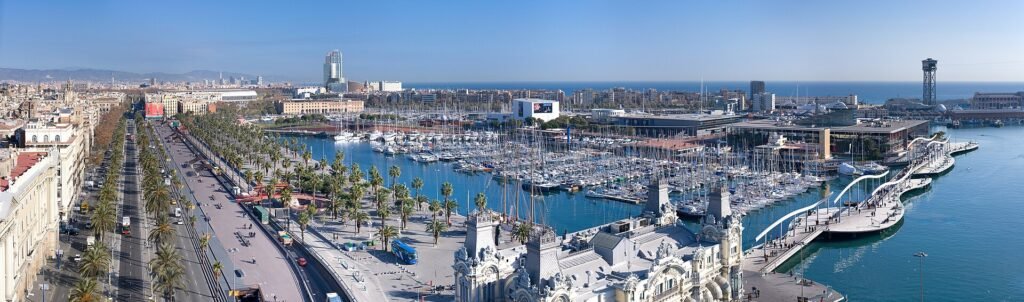
Barcelona has several kilometres of city beaches stretching north from Barceloneta.
- Barceloneta – the most famous and busiest beach.
- Nova Icària – near the Olympic Port, popular with families.
- Bogatell – spacious and good for beach sports.
- Mar Bella – known for water sports and a relaxed atmosphere.
The seafront promenade is excellent for running, cycling and rollerblading.
Food and drink
Catalan cuisine is a highlight of any visit. Try pa amb tomàquet (bread with tomato), crema catalana, fideuà (a noodle dish similar to paella), and seafood rice in Barceloneta. Tapas and vermut culture is strong, and the markets are great for fresh produce. Dinner is usually late, often after 21:00.
For groups, set menus (menú del día) at lunchtime offer good value, and many hotels can provide athlete-friendly meals.
Barcelona for sports and training camps
Barcelona is a sporting city through and through. FC Barcelona is one of the world’s most famous football clubs, and a stadium tour is high on many visitors’ lists. The 1992 Olympics left an excellent legacy of venues, including athletics tracks, swimming facilities and multi-sport centres. The area of Montjuïc contains several of these sites.
Teams can find football pitches, athletics tracks and pools in the city and surrounding towns, and friendly matches with local clubs can often be arranged. The beaches and promenade are perfect for recovery sessions. For organised trips, read about our football camps, swim camps and athletic camps.
Tips for teams
- Book facilities and stadium tours well ahead.
- Use public transport to save time and money.
- Keep valuables secure in crowded areas.
- Plan a cultural day to visit Sagrada Família or Montjuïc.


Seasons and weather in Barcelona
Barcelona has a pleasant Mediterranean climate. Winters are mild but can be cool and grey at times, which is still comfortable for sightseeing and training. Spring is one of the best times to visit, with warm days, blooming parks and a full calendar of events. Summer is hot and humid, and the beaches and sights are at their busiest, so plan sightseeing early in the day. Autumn brings warm sea temperatures, the city festival of La Mercè in September and good conditions for both culture and sport. Pack comfortable shoes, as you will walk a lot.
Day trips from Barcelona
If you have extra time, take the train to Montserrat, a mountain monastery with dramatic rock formations and hiking trails. Sitges, south of the city, is a charming seaside town with beaches and a lively old town. Girona, with its medieval centre, and the Costa Brava are also within reach. These trips make great rest-day activities for teams staying a week or more.
Practical tips for visiting Barcelona
- Language: Catalan and Spanish are both official; English is common in tourist areas.
- Currency: Euro.
- Pickpockets: Be vigilant on La Rambla, in the metro and at busy sights.
- Tickets: Book major attractions online to avoid queues.
- Tourist tax: Hotels charge a city tourist tax per night.
- Best time: Spring and autumn are ideal; summer is hot and crowded.
Looking for a good deal? Check current Spain travel deals for flights and hotels.
Where to stay in Barcelona
The Gothic Quarter and El Born are ideal for first-time visitors who want to walk everywhere. Eixample offers elegant hotels and good transport links. Barceloneta and Poblenou are best if you want to be close to the beach. Sports groups often prefer hotels with easy metro access to their training venues.
A perfect day in Barcelona
Start early at the Sagrada Família, walk to Passeig de Gràcia to see Casa Batlló, then head to La Boqueria for lunch. Spend the afternoon exploring the Gothic Quarter and El Born, relax on the beach at Barceloneta and end with tapas and the sunset.
Barcelona travel guide FAQ
How many days do I need in Barcelona?
Three to four days are ideal to see the main sights, with extra days for beaches or day trips to Montserrat or Sitges.
Is Barcelona good for sports groups?
Yes. It has Olympic-standard facilities, many football pitches, great transport and a rich sporting culture.
What is the best way to get from the airport to the city?
The Aerobús, the train, metro line L9 Sud and taxis all connect the airport with the city.
Do I need to book the Sagrada Família in advance?
Yes, booking online is strongly recommended.
Is Barcelona safe?
Generally yes, but pickpocketing is common in busy areas, so keep an eye on your belongings.
Final thoughts
Barcelona is a city you can visit again and again and still discover something new. Use this Barcelona travel guide to plan an unforgettable trip full of architecture, beaches, food and sport.