
This Alicante travel guide is your introduction to one of the most enjoyable cities on the Costa Blanca. Alicante combines a real Spanish city with beautiful beaches, a hilltop castle, a lively old town and a palm-lined seafront. It has its own international airport, a mild climate and plenty of sports facilities, which makes it a strong choice for holidays, city breaks and training camps.
Unlike many resorts, Alicante is a working city with a life of its own all year round. That means good restaurants, markets, culture and transport, along with easy access to quieter coastal towns. Before you go, you can plan your trip with Jettripper to compare flights and hotels.

Why visit Alicante?
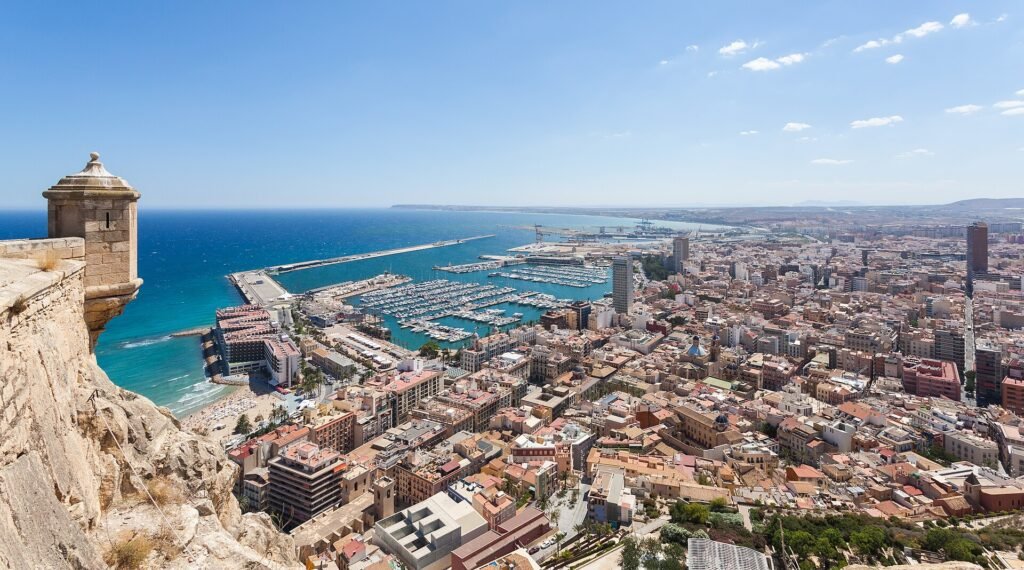
Alicante is known for its sunny climate, with mild winters and hot summers. It is compact, easy to navigate and full of character. Visitors can combine sightseeing with beach days, while teams benefit from good hotels, sports centres and short transfers. The city is also a gateway to the rest of the Costa Blanca, including Benidorm, Elche and the islands of Tabarca.
Getting to Alicante
By air
Alicante-Elche Miguel Hernández Airport is one of the busiest in Spain and offers direct flights from most European countries. It lies a short drive south-west of the city. Buses connect the airport with the centre, and taxis and transfers are readily available.
By train
Alicante is connected to Madrid by high-speed train, and there are rail links to Valencia and other cities. The TRAM network connects the city with the beaches of San Juan and continues up the coast towards Benidorm and Dénia.
Getting around
The centre is walkable. The TRAM and city buses take you to the beaches and suburbs, and taxis are affordable for short trips.
Areas of Alicante
Old Town (El Barrio / Santa Cruz)
The old quarter at the foot of Mount Benacantil is full of colourful houses, narrow streets, flower pots and small bars. The Santa Cruz neighbourhood is especially picturesque.
The Explanada and the port
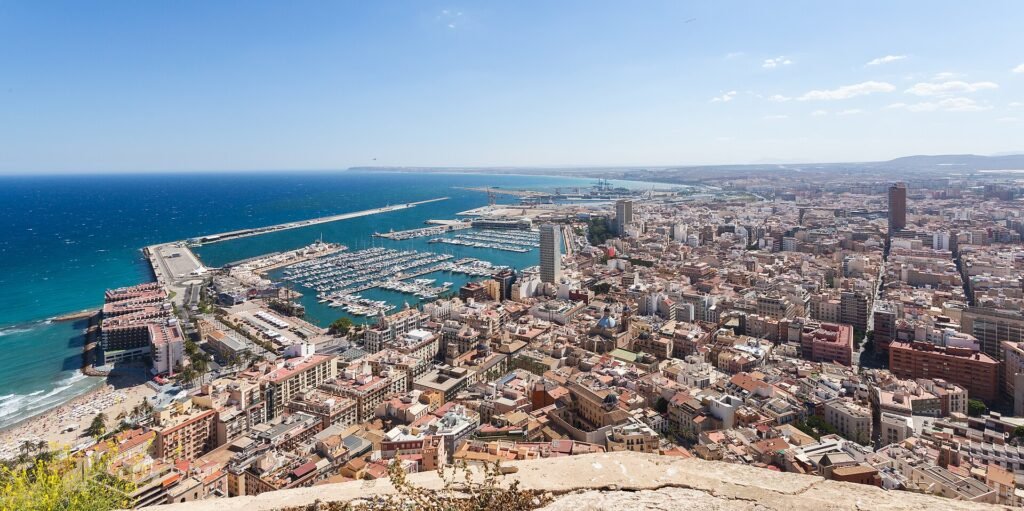
The Explanada de España is Alicante’s iconic promenade, paved with millions of tiles in a wave pattern and lined with palm trees. It runs alongside the marina and is the place for an evening stroll.
Playa de San Juan
North of the centre, San Juan is a long beach area with hotels, apartments and restaurants. It is popular with families and sports groups.
Albufereta and Cabo de las Huertas
Between the centre and San Juan, these areas offer small coves, rocky shores and quieter beaches.
Alicante beaches
- Playa del Postiguet – the city beach right below the castle, convenient and lively.
- Playa de la Albufereta – a sheltered bay popular with families.
- Calas of Cabo de las Huertas – rocky coves ideal for snorkelling.
- Playa de San Juan – several kilometres of fine sand, perfect for long walks and beach sports.
San Juan’s wide beach is often used for beach volleyball, running and outdoor fitness, and its promenade is ideal for recovery sessions.

Things to do in Alicante
Santa Bárbara Castle
The Castillo de Santa Bárbara sits on top of Mount Benacantil and is one of the largest medieval fortresses in Spain. You can walk up or use the lift that starts near Postiguet beach. The views over the city and the sea are spectacular.
Basilica of Santa María and Co-Cathedral of San Nicolás
These two historic churches in the old town show different architectural styles and are worth a visit.
Museums
Alicante has several interesting museums, including the MARQ archaeological museum and the MACA museum of contemporary art.
Mercado Central
The central market is a great place to see local produce, seafood and cured meats, and to grab a snack.
Tabarca Island
Boats leave from the port to Tabarca, a small island with clear water, a fortified village and good snorkelling.
Day trips
Elche, with its UNESCO-listed palm grove, is close by. Benidorm, Guadalest and the coastal towns of the Costa Blanca are also popular excursions.
Food and drink
Alicante belongs to the rice heartland of Spain. Try arroz a banda, rice cooked in fish stock, and arroz con costra, a baked rice dish with an egg crust. Seafood is excellent, and tapas bars in the old town serve everything from pulpo to croquetas. For dessert, look for turrón, the famous nougat from nearby Jijona, and try horchata on a hot day.
Teams staying in hotels usually get buffet meals. Rice dishes, fresh fish and vegetables fit well into an athlete’s diet.
Alicante for sports and training camps
Alicante and its surroundings host many football, athletics, swimming and triathlon groups. The city has municipal sports facilities including athletics tracks and swimming pools, and the region offers a range of football pitches. The flat promenades along San Juan and the Explanada are great for easy runs, and the hills inland provide demanding cycling routes.
The mild winter climate allows outdoor training from autumn to spring, and the large airport keeps travel simple. Read more about organised swim camps, athletic camps and football camps in Spain.
Tips for training groups
- Stay near San Juan for easy access to the beach and promenade.
- Use the TRAM for low-cost transport along the coast.
- Book pools and tracks early for spring and Easter holidays.
- Plan a rest-day trip to Tabarca or the castle for team building.


Practical tips for visiting Alicante
- Language: Spanish and Valencian are official; English is common in tourist areas.
- Currency: Euro.
- Festivals: The Hogueras de San Juan in June is the city’s biggest festival, with bonfires and fireworks. Book accommodation early if you visit then.
- Climate: Summers are hot; winters are mild and sunny.
- Safety: Alicante is generally safe; watch your belongings in busy areas.
- Water: Many visitors prefer bottled water for drinking.
Want to save on your trip? Browse the latest Spain travel deals before booking.
Where to stay in Alicante
Stay in the centre for culture, restaurants and nightlife, or near the Explanada for a classic seafront base. San Juan is ideal for beach holidays, families and sports teams, with larger hotels and quick access to the TRAM. Albufereta offers a middle ground between city and beach.
A perfect day in Alicante
Start with an early run along the Explanada, then take the lift up to Santa Bárbara Castle. Walk down through the Santa Cruz quarter for lunch in the old town, spend the afternoon on Postiguet beach and finish with rice and seafood by the marina.
Alicante travel guide FAQ
How far is Alicante Airport from the city?
The airport is a short drive from the city centre, usually around 20 to 30 minutes by bus or taxi.
What is the best beach in Alicante?
Postiguet is the most central, while San Juan is the longest and best for long walks and beach sports.
Is Alicante good for training camps?
Yes. It has an international airport, athletics and swimming facilities, football pitches and a mild climate for much of the year.
How many days do I need in Alicante?
Two to three days are enough to see the highlights, but a week lets you enjoy beaches and day trips too.
What food is Alicante known for?
Rice dishes such as arroz a banda, fresh seafood and turrón nougat.
Final thoughts
Alicante is a city that has it all: history, beaches, food and sport. Whether you are planning a short city break, a family holiday or a training camp, this Alicante travel guide should help you make the most of your visit to the Costa Blanca.