
A swim camp Split trip offers something rare: you sleep right next to the pool, and the pool sits right by the sea. Split is one of the most popular places to visit in Croatia, both for training groups and for summer tourists.
In this article we cover the city, the hostel, the pool and ideas for the free time between sessions.
Swim camp Split at a Glance
Here are the key facts for a swim camp Split trip, so you can compare it quickly with other training camps:
- Accommodation: Hostel
- Training: 50 metre outdoor pool
- Meals: Full board
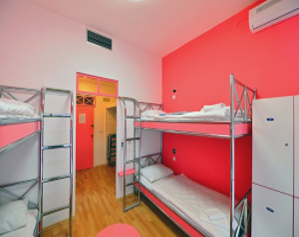
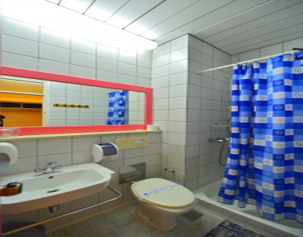
- Accommodation: Accommodation is at Hostel Jadran Zvonac, which is located next to the pool. At the hostel you can choose between larger 5-bed rooms or twin rooms. All rooms have a private bathroom.
- Training: Training takes place in an incredible 50 metre outdoor pool right by the sea. The hotel’s terrace overlooks the pool.
- Price: on request, depending on dates, group size and room types
Why Choose a Swim Camp in Split?
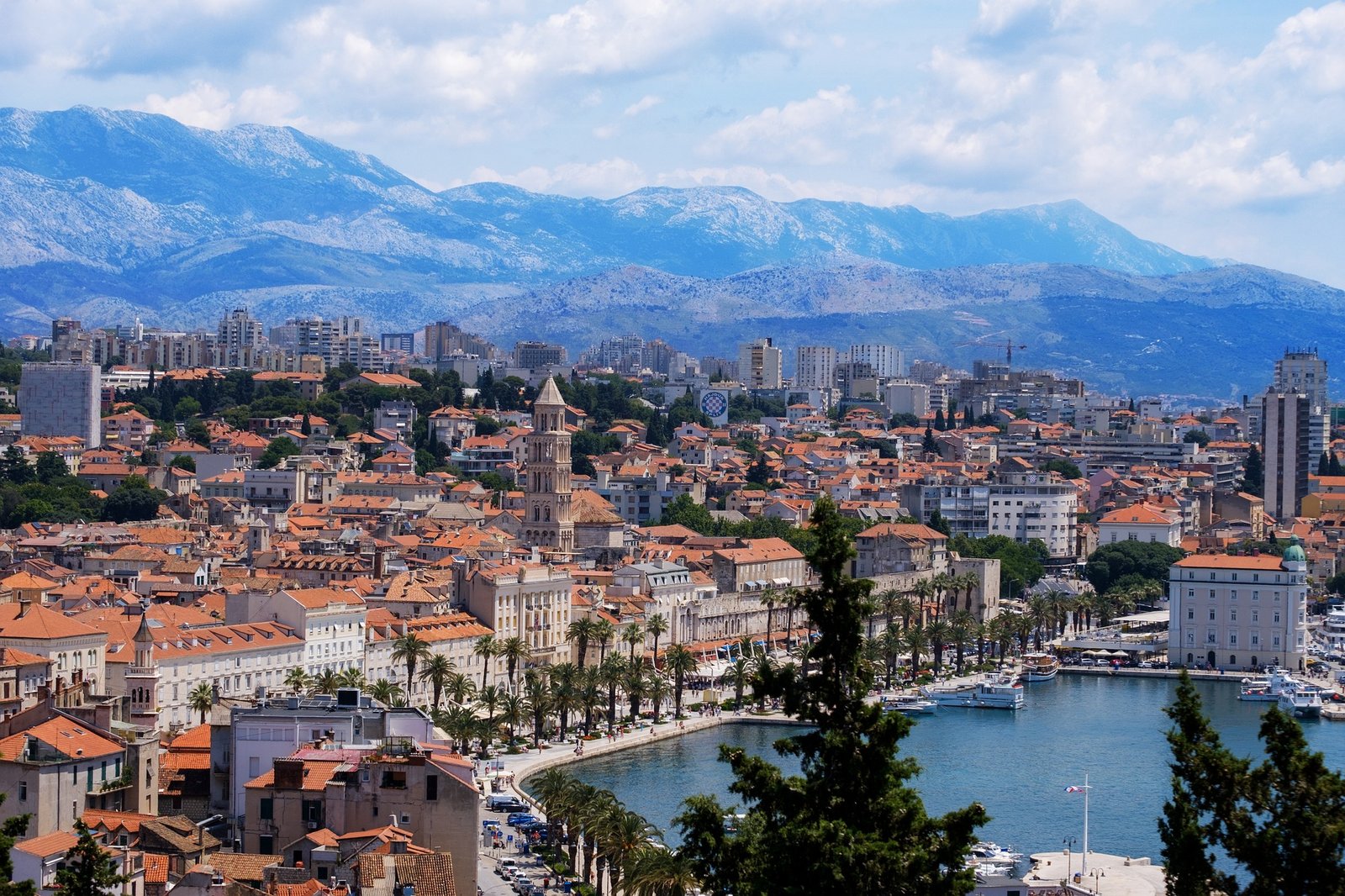
Split is built on a peninsula and has about 180,000 inhabitants. Many of its buildings are on the World Heritage List, and in the older parts of the city stands the gigantic palace of the Roman Emperor Diocletian.
Between sessions, swimmers can explore cafés, shops and squares in the old peristyle. On the Marjan side of the city, Bačvice beach is a pebble beach with restaurants and cafés, and beyond the city lies the Croatian archipelago with more than a thousand years of history.
Hostel Jadran Zvonac: Next to the Pool
Accommodation is at Hostel Jadran Zvonac, which is located right next to the pool. Groups can choose between larger five-bed rooms and twin rooms, and every room has a private bathroom.
Sleeping next to the pool removes all transfer time. Swimmers can roll out of bed and be on deck within minutes, which makes early morning sessions much easier and gives more time to rest in the middle of the day. Full board is included.
Training in a 50-Metre Pool by the Sea
Training takes place in an impressive 50-metre outdoor pool right by the sea, and the terrace at the accommodation overlooks the pool. It is an inspiring place to swim long-course sets, and coaches can easily keep an eye on the group.
Use the long-course water for pace work, distance-per-stroke drills and race rehearsal. The short walk also makes it easy to add a short dryland or mobility session before getting in.
Island Trips From the Harbour
From the local harbour in Split, boats leave for islands such as Korčula, Brač and Vis. An island trip is a perfect activity for the lighter day of the camp and a memory that swimmers keep for years.
Closer to home, a walk through Diocletian’s Palace in the evening is a calm and memorable way to end the day.
Setting Goals for Your Swim Camp
The clubs that get the most out of a training camp decide in advance what the week is for. Is it an aerobic base block early in the season, a technique camp for younger groups, or a sharpening week before a championship? The answer changes how every session is written.
Ask each swimmer to set one personal goal for the week, such as holding a stroke count over 50 metres, improving a turn or completing a key set. Write the goals down and review them on the last evening.
Clear goals also help parents understand why the programme looks the way it does, and they give younger swimmers a sense of progress that lasts long after the trip.
Recovery, Food and Sleep During Training Camps
Double sessions in a 50-metre pool are demanding, and the gains from a swim camp come only when swimmers recover between workouts. Full board makes this much easier, because the group eats at set times and nobody has to search for food after training.
Encourage swimmers to eat a real breakfast before the morning session, refuel within an hour after each swim, and drink water throughout the day, especially in warm climates. A short nap or quiet rest after lunch is worth more than an afternoon on the beach in full sun.
Sleep is the most underrated part of any training camp. Agree on a lights-out time, keep evening activities short, and plan the lighter day of the week so that the group can catch up on rest without losing momentum.
Dryland Ideas That Need Little Equipment
Not every destination has a big gym, and you do not need one for useful dryland work. Short, focused sessions before or after the water keep swimmers strong and reduce the risk of shoulder problems.
- Activation with resistance bands before every swim: external rotations, pull-aparts and scapular work.
- Core circuits: planks, side planks, dead bugs and hollow holds.
- Mobility for thoracic spine, hips and ankles after the afternoon session.
- Light jumping and skipping for younger groups to build coordination.
Keep dryland to 20-30 minutes so it supports, rather than competes with, the water training.
Team Building Between Sessions
A swim camp is also one of the best ways to bring a squad closer together. Swimmers who train in different lanes at home spend a whole week sharing meals, rooms and long sets, and that shared effort builds loyalty that lasts through the season.
Plan one or two short group activities that fit around the training rather than competing with it: a walk through the old town, a beach session with games, or a team dinner with a small awards ceremony at the end of the week. Let the older swimmers lead some of the activities, which builds leadership in the group.
Keep the activities short and low in intensity so that they support recovery rather than add fatigue.
Coach Checklist Before Departure
Good preparation at home makes the camp itself far calmer. Before you travel, agree on goals with swimmers and parents, and make sure that everyone understands that a swim camp is a training trip first and a holiday second.
- Confirm pool times, lane numbers and whether the pool is long course or short course on the dates you travel.
- Plan dryland sessions that need little equipment: bands, mats and a skipping rope cover most needs.
- Pack spare goggles, caps, fins, paddles and a waterproof whiteboard for set writing.
- Agree on sleep, phone and meal routines so that recovery is consistent.
- Bring a simple first-aid kit and the group’s contact list.
With those basics in place, the coaches can spend their energy on coaching rather than on logistics.
More Training Camps and Sports Camps
If you are comparing destinations, take a look at our overview of swim camps in Europe. Clubs that travel with several teams can also explore our football camps and other sports camps. Related guides:
- Swim Camp Falkenberg: Sweden’s Only 50m Saltwater Pool
- Swim Camp Slovakia: World-Class Training at X-Bionic Sphere
- Swim Camp Coral Bay: Private 50m Pool at Coral Beach Resort
Swim camp Split: Frequently Asked Questions
Where do we stay during a swim camp in Split?
At Hostel Jadran Zvonac, located right next to the pool.
What room types are available?
Five-bed rooms and twin rooms, all with private bathrooms.
Is the pool long course?
Yes, it is a 50-metre outdoor pool right by the sea.
Can we visit the islands?
Yes, boats leave from Split harbour to islands such as Korčula, Brač and Vis.
Final Thoughts
A swim camp Split week gives your group the right mix of quality facilities, full board and a destination that athletes remember. Request a tailored offer with your dates and group size, and start planning a training camp that moves the whole club forward.