
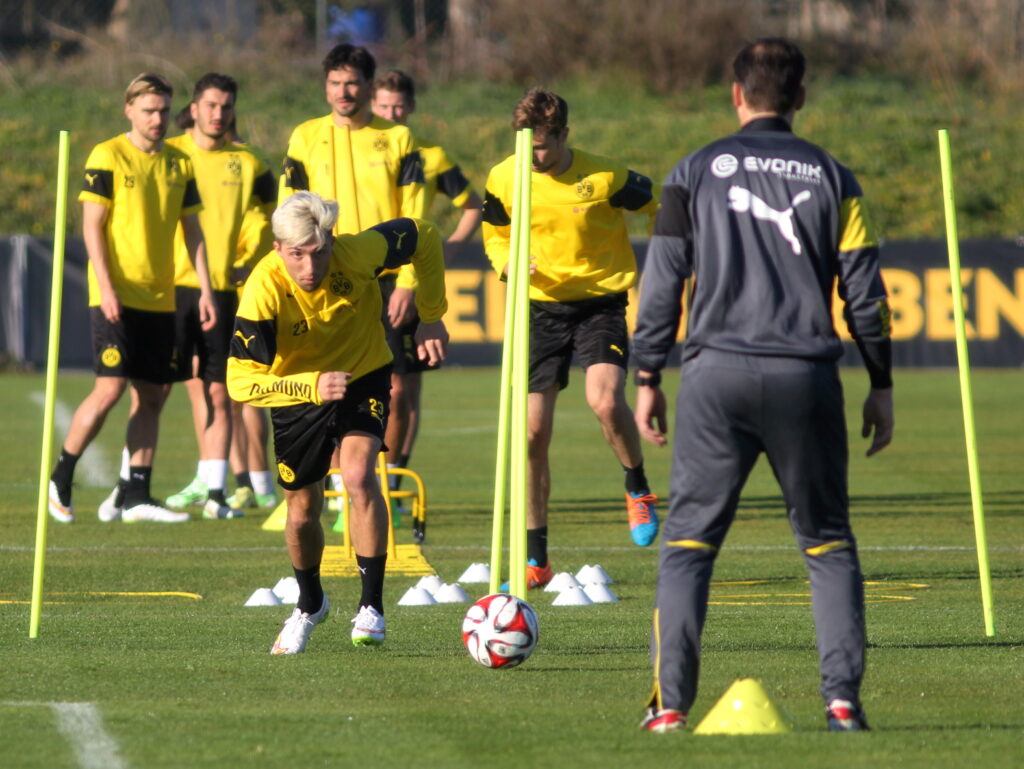
Tactics, drills and fitness plans matter, but none of them work unless players understand them. The ability to communicate with players clearly is one of the most important and most underrated coaching skills. Good communication helps players learn faster, builds trust and keeps the atmosphere positive even under pressure. Poor communication creates confusion, frustration and mistakes.
This article offers a practical toolkit for coaches at every level, from youth football to senior squads.
Why It Matters to Communicate With Players Well
Players process information differently. Some learn by listening, others by watching, others by doing. A coach who relies only on long verbal explanations will lose part of the group. Clear communication also affects motivation: players who feel heard and understood are more willing to work hard and accept feedback.
Finally, communication shapes culture. The way a coach speaks after a defeat, gives instructions during a match or handles disagreements tells players what is valued in the team.
Keep Instructions Short
Attention spans on a training pitch are short, especially with young players. Aim for explanations of 30 to 60 seconds before an activity starts. Focus on one or two key points rather than a long list. If players need more information, stop the session briefly at the right moment and add a detail.
A useful rule is: show, tell, do. Demonstrate the action, explain it in a sentence and let players try it immediately.
Ask Questions Instead of Giving Answers
Questions encourage players to think. Instead of saying “you should have passed to the left”, ask “what options did you have when you received the ball?” This guided discovery approach helps players understand why decisions matter and makes learning stick. It also gives coaches insight into how players see the game.
Use open questions, give players time to answer and accept different ideas before guiding them towards key principles.

Use Body Language and Tone
Players read body language as much as words. Standing tall, making eye contact and using calm gestures communicates confidence. Shouting constantly from the touchline creates noise and anxiety. Save a louder voice for important moments and use a calm tone for corrections.
Tone also matters after mistakes. A player who misplaces a pass needs encouragement to try again, not public criticism. Positive body language from the coach helps players recover quickly.
Give Specific Feedback
General praise such as “well done” is pleasant but not very informative. Specific feedback is more useful: “great scan before you received the ball; that let you play forward quickly.” The same applies to corrections: “your first touch went towards the pressure; try taking it away from the defender.”
A common approach is the feedback sandwich: positive point, area to improve, positive encouragement. Use it flexibly so it does not become predictable.
Communicate With Players Individually
Team talks reach the group, but one-to-one conversations build relationships. Schedule short individual chats regularly, especially with players who are struggling, injured or not getting much playing time. Ask how they feel, what they want to improve and how you can help. Listen more than you speak.
These conversations are particularly important for building trust, a topic we explore further in our guide on how to motivate players during a losing streak.
Match-Day Communication
On match days, players are under pressure and have limited capacity to process information. Keep pre-match instructions to three key points. During the game, give simple, clear cues rather than constant commentary. At half-time, stay calm, focus on two or three adjustments and finish with encouragement.
After the match, avoid detailed analysis in the dressing room when emotions are high. Save deeper reviews for the next training session.
Communicating With Different Age Groups
- Young children: short instructions, lots of demonstrations, playful language and plenty of encouragement.
- Teenagers: involve them in decisions, explain the reasons behind choices and respect their growing independence.
- Adults: be direct, honest and consistent, and invite input from experienced players.
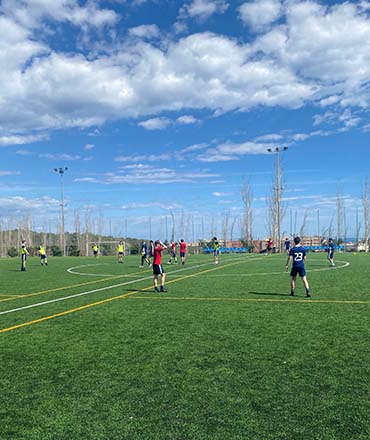
Communicating With Parents and Staff
Communication does not stop with players. Parents need clear information about schedules, expectations and team rules. Assistant coaches need to understand the plan and speak with one voice. Our article on working with parents in youth football offers practical strategies.
Using Technology
Messaging apps, video clips and shared documents can help coaches communicate efficiently. Short video clips showing good examples are particularly powerful. However, technology should support face-to-face communication, not replace it. Set clear rules about when and how messages are sent, and avoid sending criticism by text.
Listening as a Skill
Effective communication is two-way. Encourage players to ask questions, share ideas and give feedback on sessions. Create moments where players speak, such as captains’ meetings or end-of-session reflections. When players feel heard, they engage more and take greater responsibility.
Practising Communication on Training Camps
Training camps offer extra time for team meetings, individual conversations and reflection. They are an ideal setting to practise new communication habits. Our top 10 tips before going to a football camp includes advice on preparing players for a week away.
How to Communicate With Players After Mistakes
How a coach reacts to errors shapes whether players take risks. If every mistake is met with criticism, players hide and choose safe options. Instead, separate the decision from the execution: a brave forward pass that is slightly overhit was still a good idea. Say so, then offer one technical tip. Keep serious conversations private and brief, and always end by showing confidence in the player.
Communicate With Players Through Routines
Consistent routines reduce the need for constant instructions. When players know how sessions begin, how drinks breaks work and where to gather for explanations, less time is lost and messages land better. A simple signal, such as a raised hand or a whistle pattern, can bring the group together quickly without shouting.
Final Thoughts
Learning to communicate with players effectively takes practice. Keep instructions short, ask questions, use positive body language, give specific feedback and make time for individual conversations. The result is a team that understands, trusts and responds to its coach.