
Ask Spaniards about Écija and many will mention the heat: the town is nicknamed the frying pan of Andalusia. That reputation is exactly why football camps in Écija work so well outside summer. From November to April, when northern Europe is cold, dark and wet, the Guadalquivir plain offers mild days, bright skies and pitches that are rarely frozen.
Écija sits roughly halfway between Seville and Córdoba, about an hour from each by road, on the banks of the river Genil. Olive groves, cotton fields and sunflower farms surround it, and the open landscape means skies are usually clear for days at a time in winter. It is a historic market town known for its many baroque church towers, decorated with colourful tiles, which rise above the rooftops and give it the second nickname of the city of towers.
Who Should Consider Football Camps in Écija?
Écija is not a beach resort. It is a calm inland town, and that makes it particularly suitable for:
- Senior squads wanting a focused winter or pre-season block.
- Academy groups that need quiet surroundings and simple logistics.
- Clubs on a tight budget, since prices are below coastal levels.
- Teams combining training with a visit to Seville or Córdoba.
If your players expect sea, theme parks and evening entertainment, the Costa del Sol may suit you better.
Getting There
Seville Airport is the natural gateway, roughly 75 minutes away by coach along the A-4 motorway. Málaga Airport, with many more flights, is about two hours away and is a useful alternative. A private coach for the week is strongly recommended; public transport in rural Andalusia is limited and timetables rarely fit training schedules.
Pitches, Climate and the Best Months
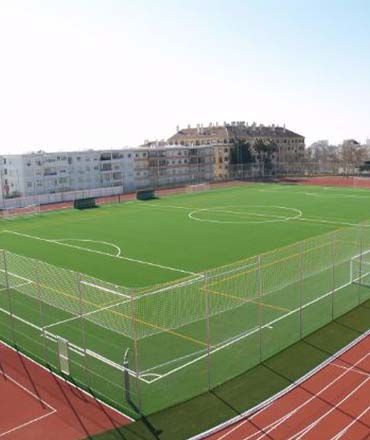
Andalusian towns generally have municipal sports complexes with artificial turf and, in many cases, a grass stadium. Artificial surfaces dominate because of the dry climate, so bring appropriate boots. From December to February daytime temperatures typically range from 14 to 20 degrees, while mornings can be chilly, close to freezing on clear nights. March and April are often perfect. From June onwards, temperatures frequently pass 38 degrees, and serious training becomes difficult.
For a wider comparison of Spanish regions, read our complete guide to football training camps in Spain.
A Training Week That Uses the Climate
Winter light is shorter, so plan around it. A sensible daily pattern is:
- 10:00 main session, once the morning chill has gone.
- 13:30 lunch, Spanish-style, and a rest.
- 16:30 second session, finishing before dusk.
- 20:30 dinner and short team meeting.
Avoid very early sessions in December and January, when frost can make the first hour cold and unpleasant. If you want a third activity, use the late evening for a gym or video session indoors rather than a third pitch session. Rotate the focus of the second session through the week, perhaps finishing, goalkeeping and set pieces, so that it stays fresh and players arrive at each afternoon curious about what comes next. Midday sun in winter is usually comfortable, which allows a longer tactical block than in summer.
Football Culture in the Province of Seville
Seville is one of Spain’s great football cities, home to Sevilla FC and Real Betis, and the surrounding province is full of competitive amateur and youth clubs. Ask your local partner to arrange friendlies with sides from Écija or nearby towns. Spanish youth players are usually comfortable in tight spaces and strong in possession, which tests visiting teams in useful ways. Watching a La Liga match in Seville at the weekend is a highlight that players never forget, and our Seville football travel guide explains how to plan it.
Planning Recovery at Football Camps in Écija
Winter camps tempt coaches into heavy volume because the weather feels perfect. Yet artificial turf and firm ground put extra load on calves, ankles and knees, especially for players used to soft northern grass. Build recovery into the programme from the first day. Short mobility routines after every session, cold-water immersion where facilities allow and one completely free afternoon mid-week all help players stay fresh.
Sleep is the most powerful tool. Spanish evenings start late, and players can easily stay up chatting long after dinner. Agree a firm lights-out time and explain why it matters. Some coaches use simple wellness questionnaires each morning, asking players to rate sleep, soreness and energy from one to five. Anyone scoring low can complete a modified session instead of the full programme.
Finally, think about footwear. Bring both firm-ground and artificial-ground boots, plus trainers for gym work, and check that players have broken in any new boots before travelling. Blisters are a surprisingly common reason for missed sessions.
Food and Daily Life
Andalusian meals suit training well if timing is managed. Lunch is the main meal, and dinner is served late, so ask your hotel for earlier slots. Typical dishes include salmorejo, a cold tomato soup, grilled meats, tortilla, chickpea stews and fresh oranges from the surrounding farmland. Tap water is safe, but most teams prefer bottled water during sessions.
Exploring Écija and Around
Écija’s Plaza de España, known locally as El Salón, is a pleasant place for an evening walk. The town’s palaces, especially the Palacio de Peñaflor with its long painted balcony, and the archaeological museum with Roman mosaics are worth a short visit. Day trips are easy: the Mezquita in Córdoba and the Alcázar and cathedral in Seville are both world-famous landmarks.
Keeping Costs Down
Écija is one of the most affordable places in Andalusia to stay. Group rates in hotels and hostales are low, and many restaurants offer a fixed-price menu del día at lunch. The main costs are flights and the coach. Booking outside Spanish school holidays helps further. For more ideas on stretching a budget, see our guide on how to book an affordable football trip.
Final Thoughts on Football Camps in Écija
Écija turns its famous heat into a winter advantage. Mild sunshine, quiet roads, affordable rooms and two of Spain’s most beautiful cities nearby make football camps in Écija a strong option for clubs that want serious off-season training without coastal prices.