
An athletic camp Mallorca trip to Magaluf combines fine sandy beaches with a local athletics stadium only one kilometre from the hotel. Magaluf is a lively resort about 20 kilometres from Palma, and the hotel is roughly 30 minutes from the airport.
Here is a full overview of the camp.
Athletic camp Mallorca at a Glance
Here are the key facts for a athletic camp Mallorca trip, so you can compare it quickly with other training camps:
- Accommodation: 3-star hotel
- Training: Athletics centre
- Meals: Full board
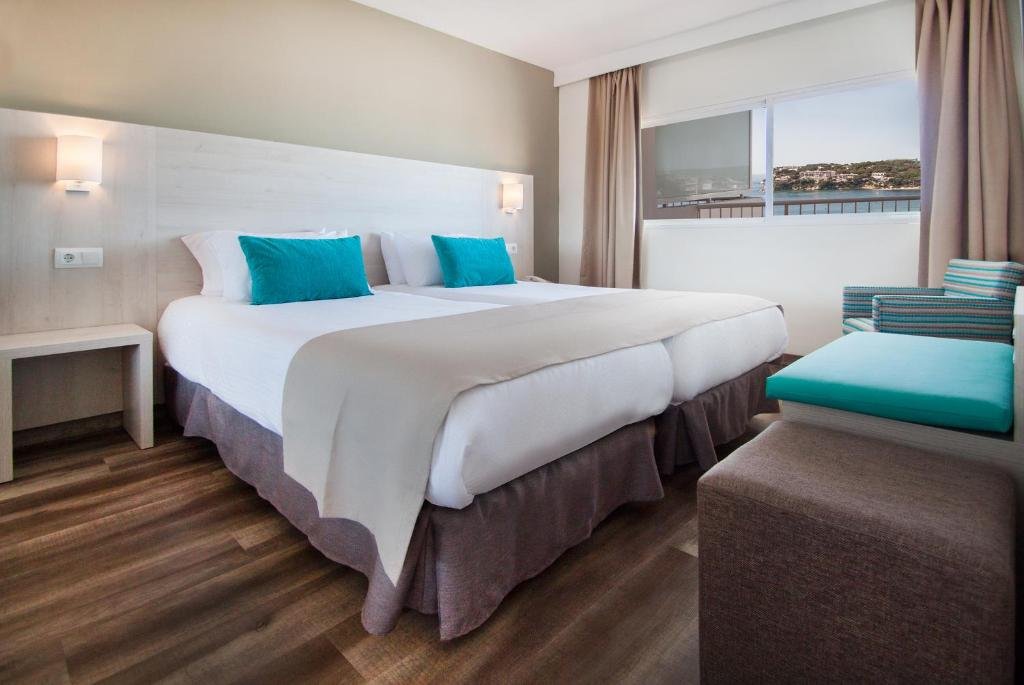
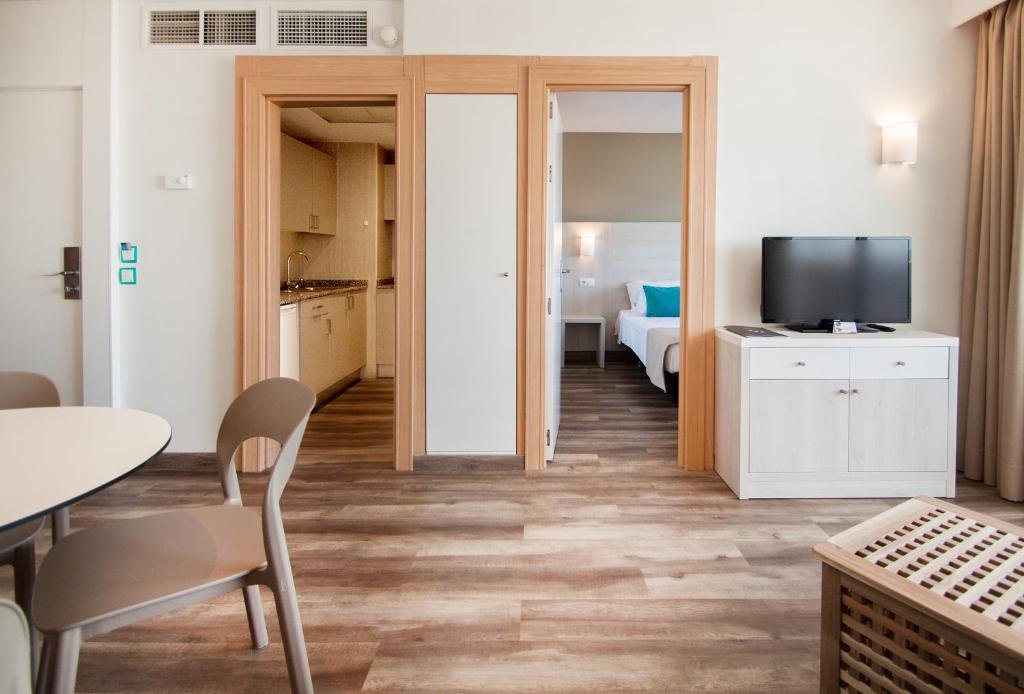
- Accommodation: Accommodation is at the 3-star hotel Vistasol in apartments overlooking the beaches of Magaluf and guests of the hotel have access to the gym and spa. The apartments are located only 100 meter from the beach in Magaluf.
- Training: Training takes place at the local athletics stadium 1km from the hotel. There is also a gym at the athletics centre.
- Price: on request, depending on dates, group size and room types
Why Mallorca for an Athletic Camp?
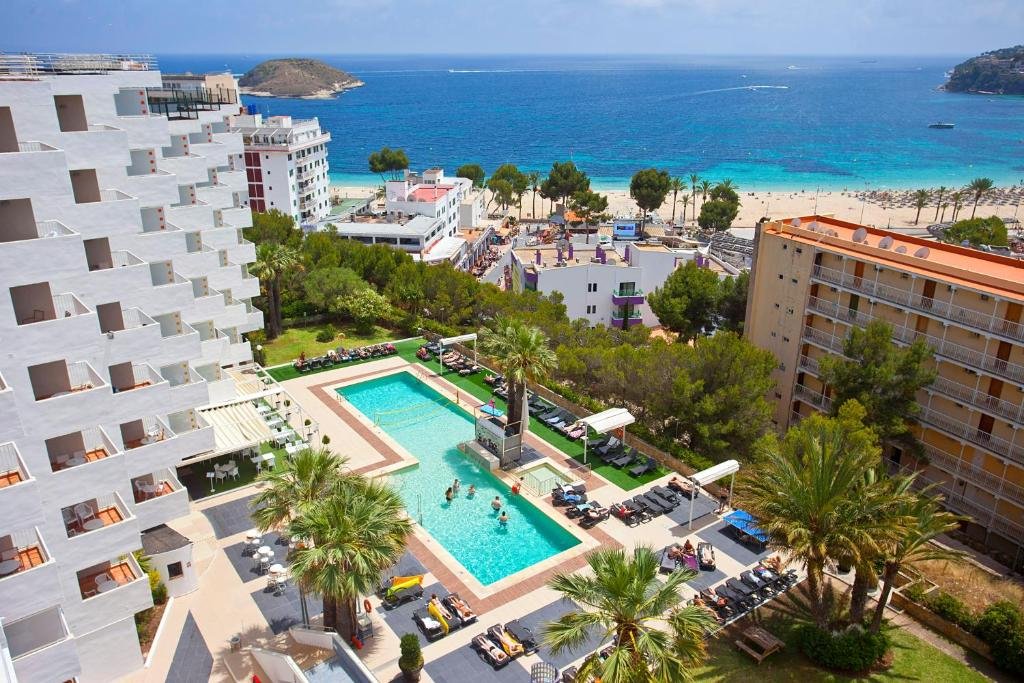
Mallorca has long been one of Europe’s favourite holiday islands. Magaluf has wide, well-maintained beaches with fine sand, plenty of bars and restaurants, and activities such as pedal boats and jet skis for the free time.
Short transfers and frequent flights from much of Europe make it an easy trip to organise.
Hotel Vistasol
The group stays at the three-star Hotel Vistasol in bright, modern apartments overlooking the beaches of Magaluf, only 100 metres from the sand. Guests have access to the gym and spa, and the hotel has both an indoor and an outdoor pool.
All meals are taken in the hotel restaurant, which serves a buffet with a wide variety of local and international cuisine, as part of full board.
Training at the Local Stadium
Training takes place at the local athletics stadium, about one kilometre from the hotel. The stadium has its own fully equipped gym, so strength work can be combined with track sessions in one trip.
The short distance means the group can walk or jog to training, which doubles as a warm-up.
Free Time in Magaluf
Plan beach time on the lighter day and keep evenings calm. With a lively nightlife in the area, it is wise to agree on clear group rules before travelling, especially with youth athletes.
Building Team Spirit on Training Camps
Athletics is often an individual sport, but a training camp turns a club into a team. Sprinters, jumpers, throwers and distance runners share meals, rooms and long days at the track, and they learn to support each other’s events.
Plan a few short activities that add to the week without taking energy away from training: a walk through the town, a beach visit on the light day, a quiz evening or a mixed relay at the end of camp. Older athletes can take responsibility for younger ones, which builds leadership.
Those shared memories often keep young athletes in the sport for years.
How to Plan a Week at an Athletic Camp
A successful athletic camp balances quality and recovery. Most groups work well with two sessions a day for the first part of the week, a lighter day in the middle, and a final block of specific work before the trip home.
- Day 1: a gentle session to wake up the legs after travel, with drills and strides.
- Days 2-3: technical work in the morning for jumpers, throwers and sprinters, and aerobic or circuit work in the afternoon.
- Day 4: one session only, followed by rest, mobility and a group activity.
- Days 5-6: event-specific quality: speed, approach runs, throws in full and tempo runs.
- Final day: a short session, testing or a fun relay, followed by a debrief.
Write the plan on a shared sheet so that athletes, parents and coaches all know what to expect.
Setting Goals for the Training Camp
Before the trip, decide what the camp should achieve. An early-season camp might focus on volume and technique, while a spring camp just before competitions can include more speed and event-specific quality.
Ask every athlete to set one or two personal targets for the week: a technical cue in the long jump approach, a consistent rhythm over hurdles, or a set of tempo runs at a given pace. Review them halfway through and again on the last day.
Clear goals keep the group focused and make it easier to measure whether the camp was a success.
Coach Checklist for Athletics Training Camps
Preparation makes the difference between a stressful trip and a productive one. Before you leave, check the details that affect training every single day.
- Confirm which events can be trained at the stadium, especially throws such as hammer and discus.
- Ask about track times, gym access and whether equipment can be borrowed on site.
- Pack spikes, spare spike pins, tape measures, cones, mini hurdles and a stopwatch.
- Plan sessions for bad weather or for days when the track is busy.
- Agree on sleep, meal and phone routines with the whole group.
With those points covered, you can focus on coaching and let the athletes focus on training.
Budgeting and Booking an Athletic Camp
Prices for athletic camps usually depend on travel dates, group size, room types and track time, so offers are normally given on request. Planning early gives you the best choice of hotels and flights.
- Book well in advance, especially for Easter and other popular weeks.
- Confirm which events can be trained, so that throwers and jumpers are not disappointed.
- Choose larger rooms to reduce the cost per athlete if the group is young.
- Start fundraising early so that everyone in the club can travel.
- Check the travel guarantee and insurance before paying a deposit.
Good planning makes the camp easier to repeat year after year.
Recovery and Nutrition at an Athletic Camp
Two sessions a day on a fast track puts real stress on muscles and tendons, and athletes who are not used to the volume can pick up small injuries quickly. That is why recovery should be planned with the same care as the sessions themselves.
Full board helps a lot: the group eats at regular times and the coach can make sure that athletes refuel after training. Encourage a proper breakfast, a snack and water straight after each session, and a balanced dinner with carbohydrates and protein.
Build in mobility, easy jogging and stretching on the lighter day, and protect sleep with a fixed lights-out time. A rested athlete gets far more out of the last days of camp than a tired one.
More Training Camps and Sports Camps
If you are comparing destinations, take a look at our overview of athletic camps in Europe. Clubs that travel with several teams can also explore our football camps and other sports camps. Related guides:
- Athletic Camp Nerja: Apartments Next to the Stadium
- Athletics Camp Nyköping: Rosvalla Indoor and Outdoor Arenas
- Athletic Camp Rieti: Train on One of the World’s Fastest Tracks
Athletic camp Mallorca: Frequently Asked Questions
How far is the stadium from the hotel?
About one kilometre.
Is there a gym?
Yes, both at the stadium and at the hotel.
How far is the hotel from the airport?
About 30 minutes.
How close is the beach?
The apartments are about 100 metres from the beach in Magaluf.
Final Thoughts
A athletic camp Mallorca week gives your group the right mix of quality facilities, full board and a destination that athletes remember. Request a tailored offer with your dates and group size, and start planning a training camp that moves the whole club forward.