
An athletics camp Båstad trip is a perfect summer option for clubs that want quality training without flying. Båstad is a very popular summer resort for both athletes and holidaymakers, with a beautiful environment and plenty to do in the evenings.
Here is how a camp next to Båstad’s athletics arena works.
Athletics camp Båstad at a Glance
Here are the key facts for a athletics camp Båstad trip, so you can compare it quickly with other training camps:
- Accommodation: Group lodging next to the arena
- Training: Athletics centre
- Meals: Full board
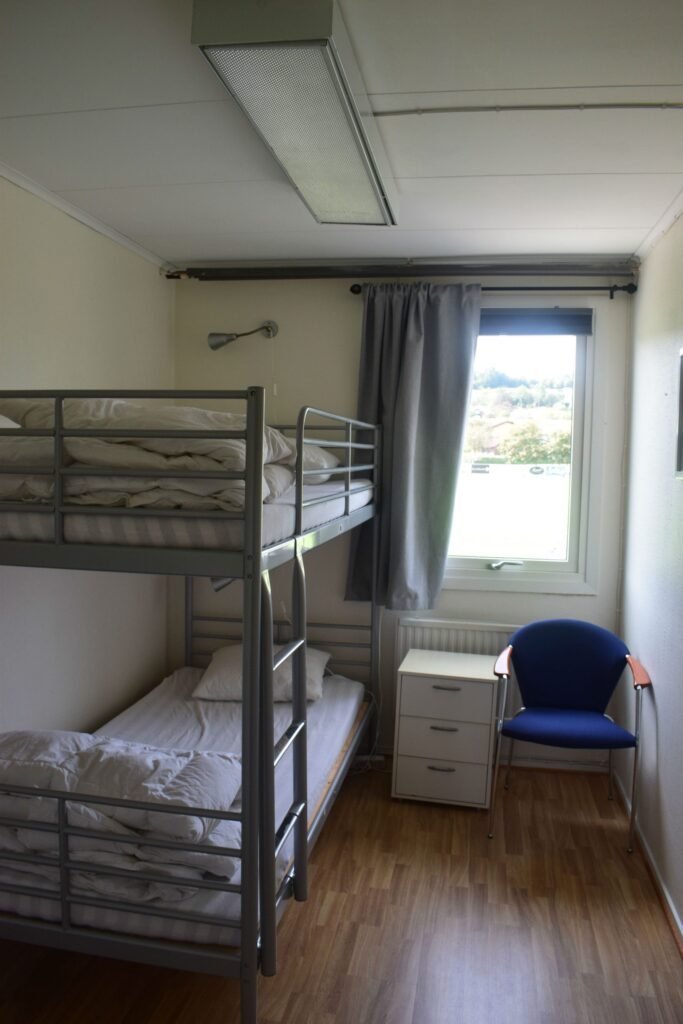
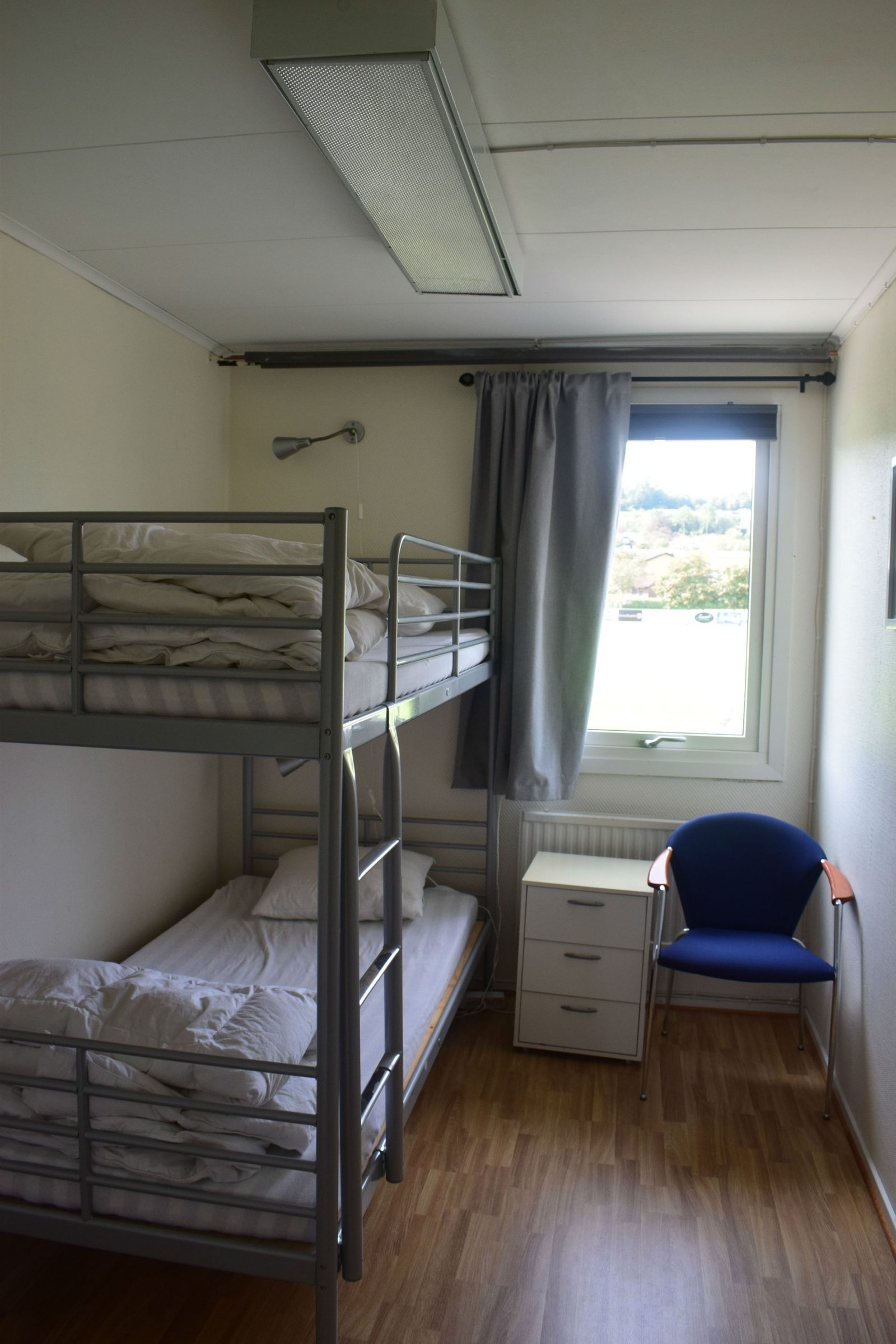
- Accommodation: Accommodation is right next to the athletics arena in a house with room for 29 beds, distributed on bunk beds in 8 rooms, ranging from 2-bed rooms to the largest of 8 beds, but most rooms are 4-bed rooms. Bed linen is not provided and must be brought with you.
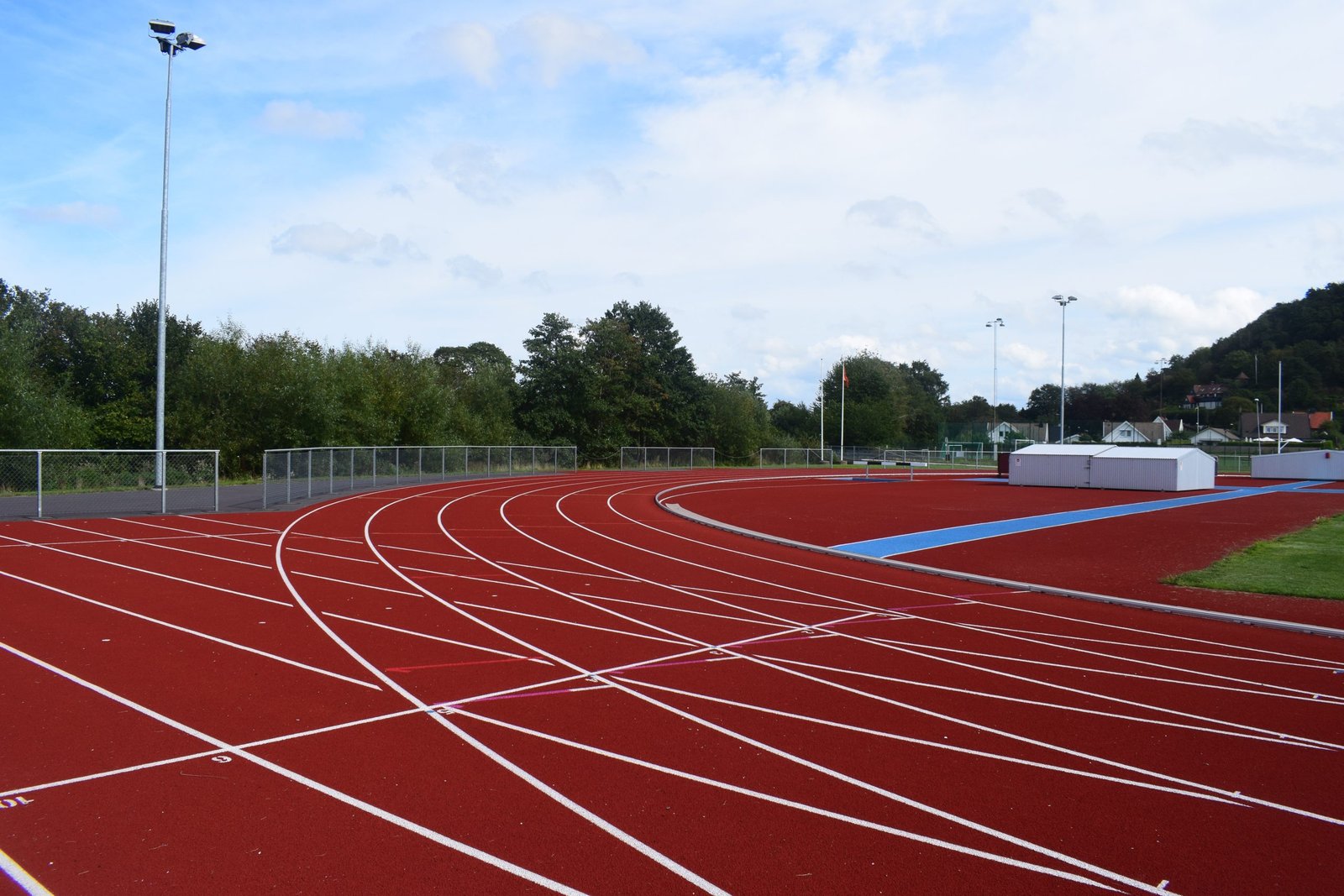
- Training: Training takes place in an almost completely new athletics arena right next to the accommodation. All sports can be performed and equipment can be borrowed on site.
- Price: on request, depending on dates, group size and room types
Why Båstad for an Athletics Camp?
Båstad is famous for attracting the world tennis elite in summer, and it has also hosted national football teams thanks to its renovated facilities and harmonious environment. For an athletics group it offers a calm, beautiful setting and plenty of activities that bring the group together.
It is an affordable alternative to travelling abroad and works particularly well for summer camps.
Group Lodging Next to the Arena
Accommodation is in a house right next to the athletics arena, with room for 29 people in eight rooms. Rooms range from two beds to the largest with eight beds, but most have four beds, all in bunk beds. Bed linen is not provided and must be brought.
The group has access to two changing rooms in the same building throughout the stay, as well as a common room with a basic kitchen. All meals are served at Restaurant Drivan next to the property with full board.

Training at a Near-New Athletics Arena
Training takes place at an almost completely new athletics arena right next to the accommodation. All events can be practised, and equipment can be borrowed on site.
Having all events available, including throws, makes Båstad suitable for mixed groups of sprinters, jumpers, throwers and runners.
Practical Tips
Remember bed linen and towels, and plan the room list early, as most rooms are four-bed rooms. With only 29 beds, the house fits a typical club group well and gives a strong sense of togetherness.
Recovery and Nutrition at an Athletic Camp
Two sessions a day on a fast track puts real stress on muscles and tendons, and athletes who are not used to the volume can pick up small injuries quickly. That is why recovery should be planned with the same care as the sessions themselves.
Full board helps a lot: the group eats at regular times and the coach can make sure that athletes refuel after training. Encourage a proper breakfast, a snack and water straight after each session, and a balanced dinner with carbohydrates and protein.
Build in mobility, easy jogging and stretching on the lighter day, and protect sleep with a fixed lights-out time. A rested athlete gets far more out of the last days of camp than a tired one.
Event Groups and Session Design
Mixed athletics groups need careful planning, because sprinters, jumpers, throwers and endurance runners all have different needs. A simple solution is to share the warm-up and drills, then split into event groups for the main part of the session.
- Sprints and hurdles: acceleration, rhythm and short speed work with full recovery.
- Jumps: approach runs, take-off drills and short runway jumps.
- Throws: technical drills, standing throws and full throws when facilities allow.
- Endurance: tempo runs, intervals and easy runs on varied terrain.
End with a shared cool-down so the whole group finishes together.
Why Warm-Weather Training Works
For clubs from northern Europe, the main reason to travel is simple: training outdoors in warmth during months when the track at home is cold, wet or covered in snow. Warm muscles tolerate speed work better, technical sessions can run longer, and athletes can practise in spikes instead of trainers.
A week of focused outdoor training also gives a clear picture of each athlete’s form. Coaches can test sprint times, approach runs and throwing distances in good conditions, and use the results to plan the rest of the season.
The change of environment also refreshes motivation. Athletes return home with new energy and a clearer sense of purpose.
Injury Prevention on Camp
A sudden increase in training volume is the most common cause of small injuries on athletics camps. Athletes go from cold-weather training at home to fast tracks, warm weather and two sessions a day.
Build volume gradually over the first two days, include thorough warm-ups with mobility and drills, and limit the number of maximal sprints and jumps. Encourage athletes to report niggles early so the coach can adjust the plan.
Plenty of water, good sleep and sensible footwear on hard surfaces go a long way to keeping everyone healthy until the last session.
Building Team Spirit on Training Camps
Athletics is often an individual sport, but a training camp turns a club into a team. Sprinters, jumpers, throwers and distance runners share meals, rooms and long days at the track, and they learn to support each other’s events.
Plan a few short activities that add to the week without taking energy away from training: a walk through the town, a beach visit on the light day, a quiz evening or a mixed relay at the end of camp. Older athletes can take responsibility for younger ones, which builds leadership.
Those shared memories often keep young athletes in the sport for years.
How to Plan a Week at an Athletic Camp
A successful athletic camp balances quality and recovery. Most groups work well with two sessions a day for the first part of the week, a lighter day in the middle, and a final block of specific work before the trip home.
- Day 1: a gentle session to wake up the legs after travel, with drills and strides.
- Days 2-3: technical work in the morning for jumpers, throwers and sprinters, and aerobic or circuit work in the afternoon.
- Day 4: one session only, followed by rest, mobility and a group activity.
- Days 5-6: event-specific quality: speed, approach runs, throws in full and tempo runs.
- Final day: a short session, testing or a fun relay, followed by a debrief.
Write the plan on a shared sheet so that athletes, parents and coaches all know what to expect.
More Training Camps and Sports Camps
If you are comparing destinations, take a look at our overview of athletic camps in Europe. Clubs that travel with several teams can also explore our football camps and other sports camps. Related guides:
- Athletic Camp Mallorca: Hotel Vistasol and Magaluf Stadium
- Athletic Camp Monte Gordo: Elite Facilities on the Algarve
- Athletic Camp Nerja: Apartments Next to the Stadium
Athletics camp Båstad: Frequently Asked Questions
How many people can stay?
The house next to the arena has 29 beds in eight rooms.
Is bed linen included?
No, bed linen must be brought.
Can all events be trained?
Yes, all events can be practised and equipment can be borrowed.
Where are meals served?
At Restaurant Drivan next to the accommodation.
Final Thoughts
A athletics camp Båstad week gives your group the right mix of quality facilities, full board and a destination that athletes remember. Request a tailored offer with your dates and group size, and start planning a training camp that moves the whole club forward.