
Every July, Gothenburg becomes one of the busiest places in the world for youth football, as thousands of teams arrive for one of the largest youth tournaments on the planet. That tradition says a lot about why football camps in Gothenburg work so well. Sweden’s second city has hundreds of pitches, experienced clubs, good transport and a population that loves the game.
Gothenburg sits on the west coast at the mouth of the Göta älv river, with an archipelago of rocky islands just offshore. It is relaxed, friendly and compact, with trams that make moving around easy.
What Makes Gothenburg Special
The city has a strong football identity. IFK Göteborg, twice winners of the UEFA Cup in the 1980s, remains one of Sweden’s best-known clubs, and the city is home to several other professional and semi-professional teams. Large stadiums such as Ullevi and Gamla Ullevi host international matches and concerts. For visiting youth teams, this atmosphere is inspiring.
Travel Logistics
Göteborg Landvetter Airport is about 25 minutes from the centre by airport coach. Gothenburg is also well connected by train with Stockholm, Oslo and Copenhagen, and ferries link the city with Denmark and Germany. Inside the city, the tram and bus network is efficient, and group tickets are available. Many sports complexes are reachable by public transport.
Pitches and Facilities for Football Camps in Gothenburg
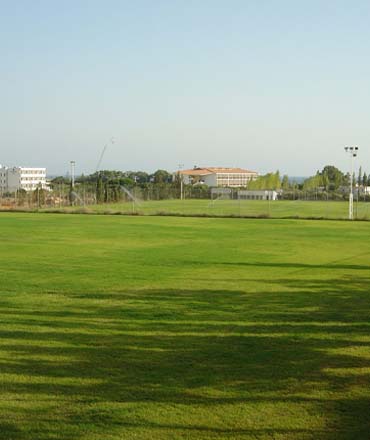
Gothenburg has an enormous number of artificial and grass pitches spread across the city’s districts and suburbs. Large sports centres offer multiple pitches, changing rooms and halls for indoor activities. During the July tournament period demand is very high, so teams planning a pure training camp often prefer June or August. Book early and confirm all details in writing.
For comparison with other Nordic options, see our guide to football camps in Kalundborg, a quieter Danish alternative across the Kattegat.
Choosing Between a Camp and a Tournament
Many clubs combine a training camp with tournament participation. Consider:
- A tournament offers many competitive matches, a festival atmosphere and international opponents.
- A camp offers structured training, more control over workload and quieter surroundings.
- A combined trip of three training days followed by a tournament often gives the best of both.
Whatever you choose, plan rest carefully. Tournament days can involve several matches, and players need recovery between them. Rotate the squad so that everyone plays meaningful minutes, keep warm-ups short and focused, and use ice baths or the sea for quick recovery between games. Make sure players eat a proper meal between matches rather than relying on snacks from stalls. Staff should also keep an eye on minor knocks, since several matches in a short period increase injury risk, especially on artificial turf in warm weather.
Travelling with a clear match-day bag list helps: spare kit, water bottles, tape, a first-aid kit, sunscreen, rain jackets and a printed schedule with pitch locations.
A Sample Week for Football Camps in Gothenburg
- Day 1: arrival, light session and city orientation by tram.
- Day 2: two sessions on technical and tactical themes.
- Day 3: friendly match against a local club and evening team activity.
- Day 4: archipelago trip and recovery swim.
- Day 5: two sessions focusing on finishing and defending.
- Day 6: final match or tournament start.
- Day 7: departure.
Weather on the West Coast
Gothenburg’s climate is mild and maritime. Summer temperatures are typically 18 to 24 degrees, with long, bright evenings. Rain can arrive at short notice, and wind is common near the coast. Pack layers and rain gear. Spring and autumn are cooler, which suits senior squads, while youth teams usually prefer the summer months.
Combining Football With Other Sports
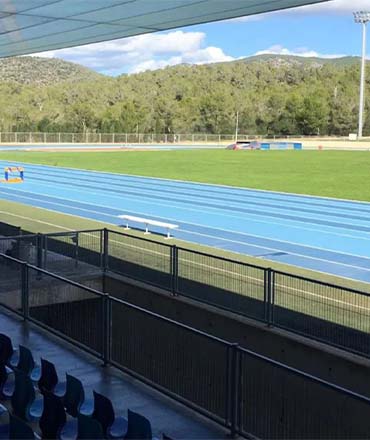
The west coast is full of training opportunities beyond football. Swimmers train in excellent pools, and athletes use modern tracks. If your club has multiple sections, our guides to the swim camp in Falkenberg and the athletics camp in Båstad describe options further south along the same coastline.
Friendlies and Coaching Exchanges in Gothenburg
Because so many clubs in the city are used to hosting international teams, arranging friendlies is usually straightforward outside the tournament week. Contact clubs from districts such as Hisingen, Örgryte or Mölndal well in advance and explain the age and level of your squad. Swedish teams are organised and welcoming, and many enjoy the chance to test themselves against foreign opposition.
A coaching exchange adds even more value. Ask whether a local coach can lead one session for your squad, or whether your players can join a joint training with a host team. Players get to hear new ideas, and staff learn how Swedish clubs work with player development, equal playing time and the emphasis on enjoyment at younger ages. Swapping club scarves, pins or pennants after the match is a small gesture that starts lasting friendships between clubs.
Food and Accommodation
Accommodation ranges from city hotels and hostels to school accommodation that opens for groups during tournaments. Swedish breakfasts are generous, and fixed-price lunches are great value. Gothenburg is known for seafood, especially shrimp, and the Feskekôrka fish market hall is a fun place to visit. Supermarkets make it easy to buy snacks and fruit.
Excursions Off the Pitch
Liseberg, one of Scandinavia’s largest amusement parks, is a favourite with young players. The archipelago islands, reached by public ferries from Saltholmen, are perfect for swimming, picnics and relaxing on the rocks. The Haga district, with its wooden houses and large cinnamon buns, is great for an afternoon stroll. Universeum, a science centre with a rainforest, is ideal on a rainy day.
Budget Planning for Football Camps in Gothenburg
Sweden is relatively expensive, so plan carefully. Choose accommodation with breakfast included, use fixed-price lunches and buy group transport tickets. Book flights and rooms early, especially for July. Setting aside a small contingency for transport, extra snacks and unexpected costs avoids stress later in the week.
Final Thoughts
With its rich youth football heritage, abundant pitches, efficient transport and beautiful coastline, Gothenburg is one of the best football cities in Scandinavia. Football camps in Gothenburg combine serious training with experiences players will remember for years.